
Appalachian Churchyards: Cleaning Damp, Shaded Mountain Markers
headstone cleanning in California | headstone cleaning in Texas
I remember my first time working in a little churchyard up near Boone, North Carolina. Must have been early October, and the fog hadn't burned off by noon. The headstone was a simple marble marker from the 1880s, half-covered in moss so thick it looked like velvet. I knelt down and the ground squished under my knee — that wet, mountain soil that never quite dries out. The family stood back, quiet, hoping I could bring their great-great-grandmother's name back. Took me three hours. Worth it.
That's the thing about Appalachian churchyards. They're not like the sunny, manicured cemeteries you see in flatland towns. These are tucked into hollows, under old oaks and hemlocks, where sunlight barely touches the ground. Damp, shaded, cool. Perfect for moss, lichen, and that greenish-black biofilm that makes even the cleanest stone look forgotten. I've cleaned markers in Tennessee, Virginia, West Virginia, and Kentucky, and I can tell you: the rules are different here. You can't just spray and walk away.
So if you're staring at a family stone that's been swallowed by shade and moisture, don't panic. I'm going to walk you through exactly how I handle these stubborn mountain markers. No bleach, no wire brushes, no pressure washers. Just patient, carefull work that honors the stone and the person it remembers.
Why Shaded Mountain Stones Are Different
First thing you need to understand: the environment is doing most of the damage, not time. In an Appalachian churchyard, you've got three big enemies: moisture that stays, little to no direct sun, and acidic soil splashing up during rain. That combination creates a perfect home for moss, lichen, and what I call "the green slime" — a biofilm of algae and cyanobacteria. It's not just ugly. It holds moisture against the stone, which freezes and thaws through winter. That's how you get flaking and spalling. I've seen 100-year-old marble that looked like it was shedding skin. Big mistake to ignore it.
What I Use (And What I Never Touch)
I'll be blunt: skip harsh household cleaners, abrasive tools, and strong acids or alkaline products. They ruin stone. Permanently. I only use D/2 Biological Solution. It's a pH-neutral, non-ionic cleaner that eats organic growth without eating the stone. I buy it by the gallon. For tools: a soft natural-bristle brush (horsehair is best), plastic scrapers for thick lichen, and a garden sprayer with a fan tip. I also carry a bucket of clean water and a bunch of old cotton rags. Never, ever use a wire brush. Not on marble, not on sandstone, not on anything. The scratches hold dirt forever.
Step-by-Step: Cleaning a Damp, Shaded Marker
Here's my routine, and it's not fancy. First, I wet the stone with plain water. This helps the cleaner spread and keeps it from drying too fast. Then I spray D/2 all over the growth. Generous. Let it sit for 10-15 minutes. If the moss is thick, I'll give it a second coat. Then I scrub gently with the horsehair brush — circular motions, light pressure. The biofilm usually lifts like green foam. For lichen that's crusted on, I use a plastic scraper at a shallow angle. Never dig in. Rinse with water. If it's not clean, repeat. Sometimes I of to do three passes over three days. That's fine. Slow is safe. One more thing: if the stone is wet from rain or dew, I wait. Clean on a dry day, even if it's overcast. You want the stone to dry after cleaning, not stay soggy.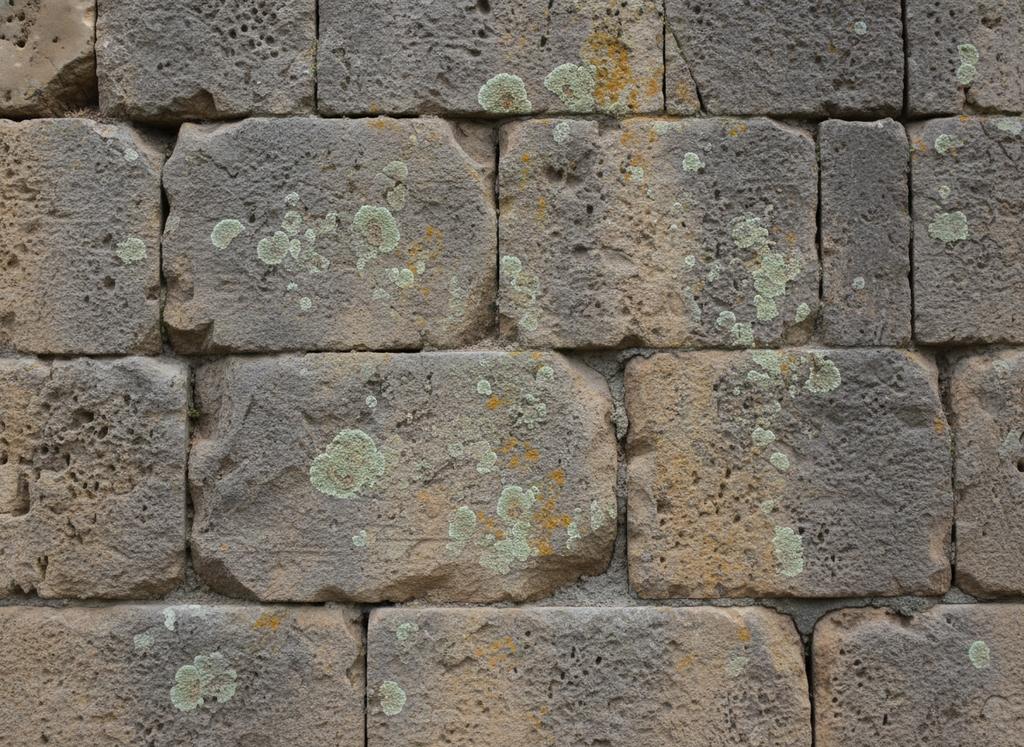
What About the Moss That Won't Budge?
Sometimes you get moss that's been there for decades. It's thick, dark, and almost spongy. D/2 will soften it, but you might need to mechanically remove the bulk first. I do this with a wooden tongue depressor or a plastic putty knife. Gently pry the moss off in layers. Don't yank — you can pull off a piece of stone with it if the surface is already fragile. Once the big chunks are off, clean with D/2 as usual. I've had markers where the moss left a dark stain underneath. That's usually from tannins in the moss itself. For that, I mix a poultice of D/2 and diatomaceous earth into a paste, spread it on the stain, cover with plastic wrap, and let it sit for 24 hours. Rinse off. Works about 70% of the time.
Aftercare: Keeping It Clean Longer
You can't stop the shade, but you can slow down the regrowth. First, trim back any overhanging branches or weeds around the base. More airflow helps. Second, after cleaning, I apply a thin layer of D/2 as a maintenance spray every 6-12 months. It prevents biofilm from getting a foothold. I also recommend resetting the stone if it's tilted or sinking — moisture pools against the base. I'm not a monument setter, but I can tell you that a stone sitting on a gravel bed drains better than one sitting in mud. And please, don't seal the stone. Sealants trap moisture inside, and in a shaded churchyard, that's a death sentence. Let the stone breathe.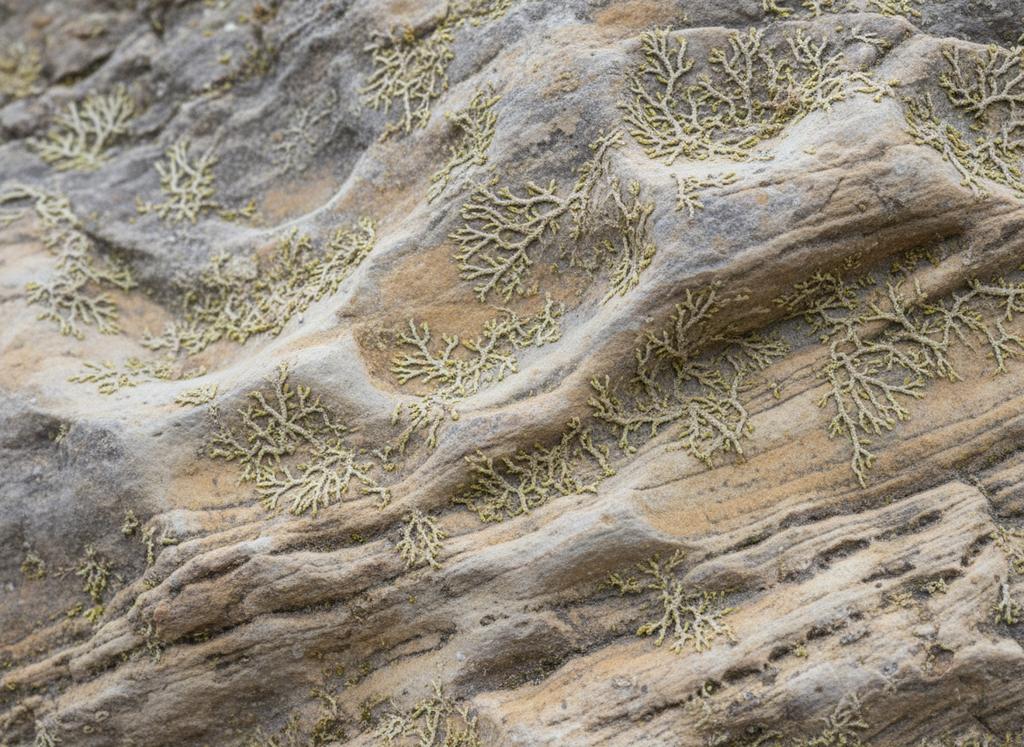
Frequently Asked Questions
Q: Can I use a pressure washer on a shaded mountain headstone?
A: No. Pressure washers blast away the stone's surface, especially on soft marble or sandstone common in older Appalachian markers. I've seen them turn a carved date into a blurry smudge in seconds. Stick to gentle scrubbing.
Q: How do I clean a headstone that's covered in black soot or lichen?
A: Black soot is usually from lichen or air pollution. D/2 will lift most of it. For thick, crusty lichen, pre-soak with water, then scrape gently with a plastic tool. Then apply D/2 and let it sit for 20 minutes. Repeat if needed. Never use a metal scraper.
Q: Is it safe to clean a headstone in winter?
A: I avoid it. If the stone is frozen, any moisture can refreeze and crack it. Wait for a day above 50°F, even if it's cloudy. In the Appalachians, that might be a warm spell in March. Patience saves stone.
Q: What if the stone is already flaking or crumbling?
A: Stop. Don't clean it yourself. Call a professional conservator. Flaking means the stone is actively degrading. Scrubbing can accelerate the damage. Some things are beyond a DIY fix, and that's okay.
Q: Can I use vinegar or baking soda instead of D/2?
A: No. Vinegar is acidic and will etch marble and limestone. Baking soda is abrasive and can scratch. D/2 is specifically formulated for biological growth on stone. It's worth the cost. One gallon lasts me a year of churchyard work.