
Best Find-A-Grave Photo Volunteer Communities in Texas (How I Logged 400 Stones)
headstone cleanning in Texas | headstone cleaning in Houston Texas
I’ll never forget my first volunteer trip. January 2021, freezing drizzle, and I’d driven forty miles to a little cemetary outside Waxahachie. I was there to photograph a headstone for a woman in Ohio who’d been searching for her great-grandmother’s grave for seven years. The stone was almost flat, covered in mud and lichen. I knelt down, wiped it with my sleeve, and snapped a picture. When I uploaded it to Find A Grave, the lady messaged me within an hour: “That’s her. Thank you.” I cried in my car. That’s when I knew this wasn’t just a hobby, it was a calling.
Since then, I’ve logged over 400 headstone photos across Texas. Not a huge number compared to some—there are volunteers with thousands—but each one taught me something. About cemeteries, about history, about how to actually get good photos that help families. And about the communities that make this work possible. If you’re looking to start volunteering with Find A Grave in Texas, you don’t have to go it alone. There are real groups, real people, who will help you find stones, clean them safely, and get those photos right. Let me tell you about the ones I’ve used, and what worked for me.
Why Texas Volunteers Are a Special Breed
Texas is huge. I mean, really huge. I learned that the hard way when I drove three hours to a cemetery that turned out to be just a cow pasture with a single family plot. No fence, no sign, just barbed wire and a few stones half-sunk in the dirt. But Texas volunteers are scrappy. They know the back roads, the old churchyards, the forgotten plots behind gas stations. The best Find A Grave volunteers Texas has to offer are the ones who share their local knowledge freely. I’m in a few Facebook groups and a dedicated Texas Find A Grave forum where people post lists of “orphan” requests—stones that have been sitting unphotographed for years. That’s where I started. Instead of taking random requests, I’d pick a cemetery within fifty miles and knock out ten or twenty stones in one afternoon. Saved gas, saved time, and the folks in those groups were quick to tell me which plots were overgrown or which had poison ivy. Real talk: without them, I’d still be wandering around looking for Section C in a cemetery that doesn’t have sections.
My Go-To Communities for Find A Grave Volunteers in Texas
Here’s where I actually found help. Not just theory—real groups I’ve used and still use.
First, the Texas Find A Grave Facebook Group. It’s private, but they accept anyone who’s serious. I posted there my second week, asking for tips on cleaning a 1920s marble stone that was covered in black biofilm. A woman named Linda from San Antonio messaged me within ten minutes. She told me to skip the wire brush—which I was about to use, big mistake—and instead use a soft nylon brush and D/2 Biological Solution. She even mailed me a sample bottle. That group is full of people like Linda. They post cemetery maps, warn about aggressive bulls in pastures, and coordinate group photo days. I drove out to Kerrville once to meet four other volunteers. We did 80 stones in five hours, then ate barbecue. Can’t beat that.
Second, the Find A Grave forum’s Texas region (findagrave.com/forum). It’s clunky, old-school, and nobody under forty uses it without grumbling. But the info there is gold. I found a thread listing every cemetery in the Texas Panhandle with GPS coordinates, last known condition, and wether the gate is locked. Saved me a 200-mile dead end.
Third, local historical societies. I know, sounds boring. But the Gillespie County Historical Society gave me a key to a locked cemetery gate. The volunteer coordinator there had a list of unclaimed requests going back to 2012. I photographed 23 stones in one trip. You can’t get that kind of access from a website. You have to call, show up, be polite, and bring cookies. Works every time.
How I Clean Headstones Safely (Without Ruining Them)
I’ve learned the hard way what not to do. My first year, I used a stiff plastic brush and a bucket of water with dish soap. Did that clean the stone? Sort of. But I also scrubbed off a layer of patina on an old limestone marker. The family was grateful for the photo, but I felt awful. Now I follow strict rules.
What I use: D/2 Biological Solution. It’s a pH-neutral, non-ionic cleaner that kills lichen, moss, and algae without damaging the stone. I spray it on, wait ten minutes, and rinse with a gentle spray from a garden sprayer. No pressure washer—those can pit soft stone. For stubborn spots, I use a soft nylon brush (never wire, never metal). I carry a spray bottle of distilled water for final rinse, especially on marble and sandstone, because tap water can leave mineral deposits.
What I avoid: harsh household chemicals like bleach or ammonia. Also skip abrasive tools like wire brushes, steel wool, or scouring pads. And steer clear of strong acids or alkaline cleaners—they eat into the stone’s surface. I tell every new volunteer: if you wouldn’t put it on your own kitchen counter, don’t put it on a headstone.
One more thing: test on the back or base first. Every stone is different. Granite is tough, but marble is soft and porous. Sandstone is the worst—it crumbles if you look at it wrong. Go slow. Better to leave some lichen than to scrub away the inscription.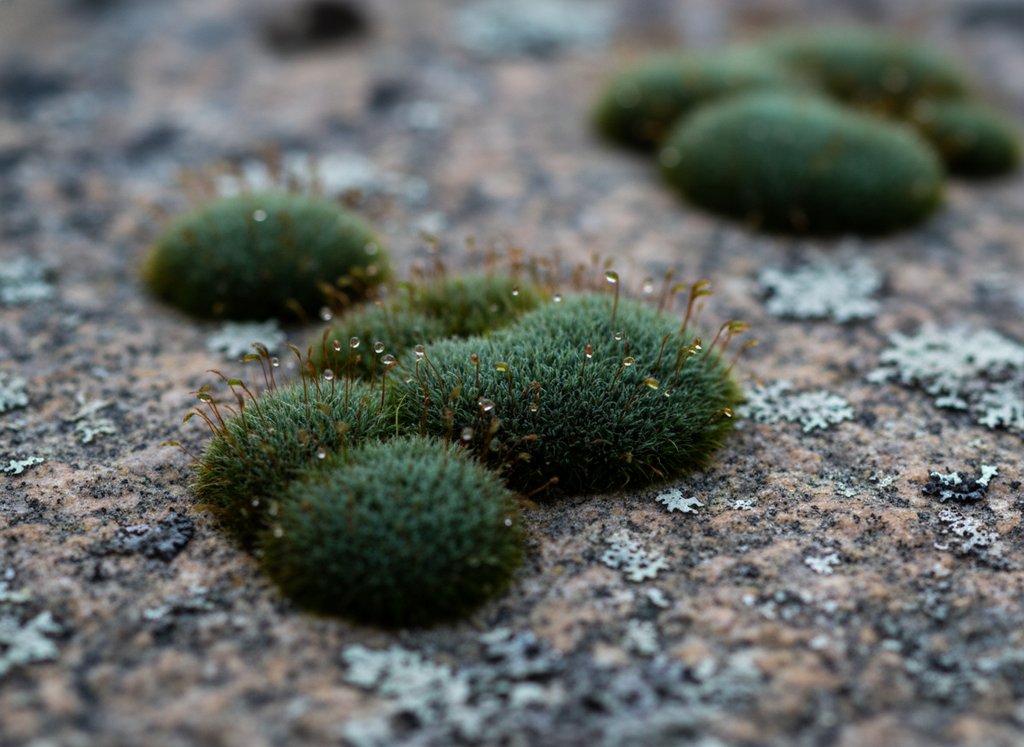
Tips for Getting Sharp, Usable Photos (Even in Bad Light)
Photographing headstones is harder than it looks. I’ve deleted more shots than I’ve kept. Here’s what works for me.
Time of day matters. Early morning or late afternoon. Noon sun washes everything out and makes deep shadows. I drove two hours to a cemetery near Fredericksburg and got there at 11 AM. The stones were all facing east, so the sun hit them straight on. Every photo looked like a white blob. I came back at 4 PM and got perfect shots.
Use a reflector. I bought a cheap foldable one on Amazon for $12. It’s basically a white disk that bounces light into the inscription. I hold it at an angle and snap. Makes a huge difference on old, worn stones.
Wet the stone. Lightly. I carry a spray bottle and mist the surface before shooting. It darkens the stone and makes the carved letters pop. But don’t drench it—you’ll get water spots.
Bring a soft brush. A cheap 2-inch paintbrush works great for brushing off dirt and spiderwebs without scratching. I also keep a small trowel for digging grass away from the base.
Take multiple angles. A straight-on shot is standard, but sometimes a slight side angle catches the inscription better. I always take three or four, then pick the best one. And I hold the camera steady—I use a mini tripod for low-light shots. Took me three tries to get a readable photo of a 1903 marble stone. Worth it.
How to Get Started as a Find A Grave Volunteer in Texas
You don’t need permission. You just need a camera and a willingness to drive. Here’s my step-by-step.
-
Create a Find A Grave account. It’s free. Then go to the “Photo Requests” page. Filter by Texas and your county. You’ll see a list of names and cemetery locations.
-
Join the Texas Facebook group and the forum. Introduce yourself. Say “I’m new, what cemeteries near [your town] need help?” People will respond. I got five requests in my first week.
-
Start small. Pick a cemetery with fewer than 50 requests. Don’t bite off 200 at once. I did a 12-stone cemetery near my house first. It took two hours, and I felt like a hero.
-
Learn the rules of each cemetery. Some require permission to enter. Some lock gates at sunset. One near Austin has a sign that says “No photography without prior approval.” I called the church office, explained I was a volunteer, and they gave me the code to the gate.
-
Upload your photos within 48 hours. People are waiting. I upload the same evening. I crop, rotate, and add a note about the stone’s condition if it’s cracked or faded.
-
Keep a log. I use a simple spreadsheet: cemetery name, date, number of stones, any issues (overgrown grass, vandalism). It helps me track where I’ve been and what needs a return visit.
-
Pack a kit. I carry: D/2 spray, soft brush, spray bottle, trowel, reflector, mini tripod, bug spray, water, and a snack. Cemeteries are often in the middle of nowhere. Don’t get stranded without a granola bar. I learned that the hard way.
Frequently Asked Questions
Q: Do I need permission to take photos in Texas cemeteries?
A: It depends. Public cemeteries on government land usually don’t require permission. But private cemeteries—like those on church property or family plots—may have rules. I always call ahead or check the cemetery’s website. A few in Texas have signs specifically banning photography without permission. I’ve never been turned away after explaining I’m a Find A Grave volunteer, but it’s better to ask than get kicked out.
Q: What’s the best time of year to volunteer in Texas?
A: Fall and spring. October through November, and March through May. Summer in Texas is brutal—I tried photographing in July near Dallas and nearly passed out. The heat makes the stones hot to touch, and you’ll sweat on your camera screen. Winter can work if it’s not freezing, but you’ll deal with mud and shorter daylight. I do most of my volunteering in April and October.
Q: Can I clean a headstone before photographing it?
A: Yes, but only with safe methods. I use D/2 Biological Solution and a soft nylon brush. No bleach, no pressure washer, no wire brushes. If the stone is fragile—like sandstone or badly weathered marble—I just brush off loose dirt and skip the cleaner. A clean stone gives a better photo, but damaging the stone helps nobody.
Q: How do I find orphaned photo requests in Texas?
A: On Find A Grave, go to the Photo Requests page and select Texas. Then sort by “Oldest First.” Those are the stones that have been waiting the longest. I also check the Texas forum and Facebook group, where volunteers post lists of cemeteries with dozens of pending requests. Another trick: search for cemeteries with zero photos on Find A Grave. Those are goldmines for volunteers.
Q: What if I can’t read the inscription even after cleaning?
A: It happens. Some stones are just too worn. Try using a mirror to reflect light at a low angle across the surface—that can make faint letters visible. If that fails, take the best photo you can and note in the description that the inscription is illegible due to erosion. Families still appreciate knowing the stone exists. I’ve uploaded photos where only “John” was readable, and the descendant was grateful.