Best Headstone Cleaners in New York, NY: What to Look For
You can also connect with specialists near you via New York, NY and New York.
Headstone Cleanning in New York, NY | New York Headstone Cleaners
I’ll never forget the afternoon I spent in old Oceanview Cemetary, out near the Rockaway shore, back in 2008. A young woman had come to me in tears—her grandmother’s marble headstone, a beautifull 1920s piece with hand-carved lilies, had turned a sickly yellow-gray from years of New York salt air and winter grit. She’d tried scrubbing it with something from under her kitchen sink, thinking she was helping. Instead, she’d etched the surface and left a chalky white stain. I spent the next three hours gently coaxing that stone back to life with a pH-neutral poultice and a soft bristle brush, talking her through every step. By sunset, the lilies were visible again, and she hugged me like I’d raised the dead. That moment stuck with me—because it showed how much people care, and how easily good intentions can go wrong. So when folks in New York ask me about the best headstone cleaners in New York, NY, I don’t just rattle off brand names. I tell them what to look for, so they don’t end up like that young woman, learning the hard way.
Why Local Weather Matters for Headstone Cleaning in New York, NY
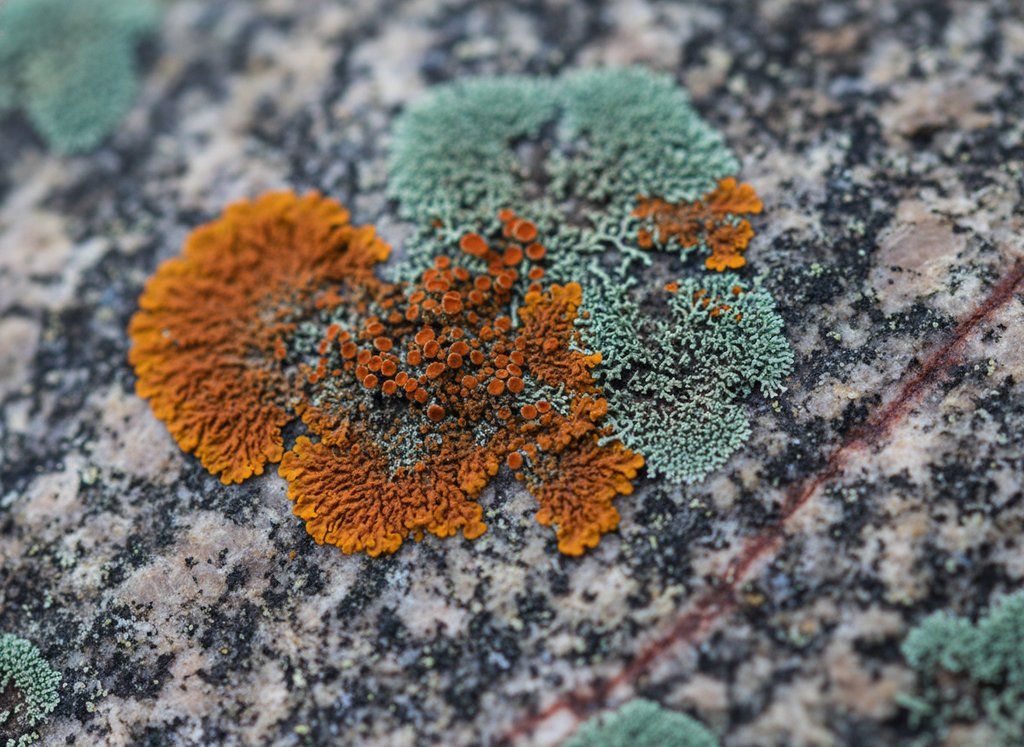
New York City has a beast of a climate for monuments. We get freezing winters with de-icing salts blowing off the streets, humid summers that feed biological growth, and that constant cocktail of car exhaust and sea mist if you’re near the harbor. I’ve worked on stones in Green-Wood Cemetery, Woodlawn, and smaller plots like St. Michael’s in Flushing—every single one shows the same pattern: black spotting from lichen and moss, and a grimy film from airborne pollutants. A cleaner that works in Arizona won’t cut it here. You need something that handles organic growth (moss, algae, lichen) without stripping the stone’s patina, and that’s safe for frequent use in our damp conditions. That’s why I always point people to D/2 Biological Solution—it’s non-ionic, pH-neutral, and formulated to eat biological stains slowly without harming the stone. It’s the gold standard for urban cemeteries.
What to Look for in a Headstone Cleaner: The Non-Negotiables
When you’re searching for the best headstone cleaners in New York, NY, don’t be fooled by flashy labels. Here’s my checklist after 20 years on the job: First, the cleaner must be pH-neutral—aim for a pH between 7 and 8. Anything acidic or alkaline will etch marble and limestone, and sandstone will crumble like sugar. Second, it should be non-ionic, meaning it doesn’t leave a residue that attracts more dirt. Third, avoid any product that lists harsh household chemicals or strong acids—those will eat the binder in sandstone and turn marble into chalk. Fourth, skip abrasive tools: no wire brushes, no steel wool, no scouring pads. A soft nylon brush or a natural bristle brush is all you need. Finally, the cleaner should be safe for the environment—New York’s cemeteries are often near water tables or parks, and runoff matters. D/2 hits all these marks, but there are a few other reputable brands out there like Simple Green Pro (the heavy-duty version, used carefully) and Folex for spot cleaning. Always test on an inconspicuous spot first.
How to Clean a Headstone Safely: A Step-by-Step Primer
Here’s the method I teach families at Evergreen Memorial Park in Queens. Start with plain water—soak the stone thoroughly with a garden sprayer or a bucket and a soft sponge. Let it sit for 10 minutes to soften the grime. Mix your pH-neutral, non-ionic cleaner according to the label (for D/2, it’s ready to use straight). Apply it with a soft brush, working in small circles from the bottom up—that prevents streaks. Let it dwell for 5 to 10 minutes, but don’t let it dry on the stone. Rinse with clean water, gently, using a spray nozzle or a damp sponge. Repeat if needed, but never scrub hard. For stubborn lichen, you can make a poultice with the cleaner and a little diatomaceous earth, leave it covered with plastic wrap for 24 hours, then rinse. One more thing: never pressure wash. I’ve seen a 200-year-old slate marker in Trinity Churchyard get pitted by a power washer in under a minute. Gentle is the rule.
Local Recommendations: Where to Find the Best Headstone Cleaners in New York, NY
If you’re not up for DIY, there are solid professionals in the city who know their stuff. I’ve worked alongside crews from Gotham Monument Care and Brooklyn Stone Restorers—both use D/2 and hand tools, and they’re familiar with the quirks of stones in places like Ocean View Cemetery on Staten Island and the historic graveyard at St. Paul’s Chapel. For a quick consult, drop by the maintenance office at Woodlawn Cemetery in the Bronx; they keep a list of approved vendors who won’t damage the monuments. And if you’re in a pinch, the New York Landmarks Preservation Commission has guidelines online for stone care—just search their site. But honestly, the best headstone cleaner is the one who respects the stone’s age and composition, not the one with the biggest truck or the cheapest price.
A Final Word on Long-Term Care for New York Stones
Cleaning is only half the battle. In New York’s freeze-thaw cycle, water is the enemy. After you clean, make sure the stone is sealed only if it’s a dense granite—marble and sandstone should never be sealed because they need to breathe. Otherwise, moisture gets trapped and spalls the surface. I also recommend a gentle rinse with plain water every spring to wash off winter salt residue. And if you see cracks or flaking, call a pro—don’t try to patch it with concrete or epoxy. I’ve seen too many beautiful old stones in Cypress Hills Cemetery ruined by well-meaning family members with hardware store products. Trust me, a little patience and the right cleaner will keep that headstone looking dignified for another century.
Frequently Asked Questions
Q: Can I use vinegar or baking soda to clean a headstone in New York, NY?
A: No, please don’t. Vinegar is acidic and will etch marble and limestone, leaving a dull, rough surface. Baking soda is alkaline and can be too harsh for soft stones like sandstone. Stick with a pH-neutral, non-ionic cleaner like D/2 Biological Solution—it’s what I use on every job in New York’s cemeteries, from Green-Wood to Woodlawn.
Q: What’s the best headstone cleaner for removing black lichen spots in humid New York summers?
A: Black lichen is tough, but D/2 Biological Solution works beautifully. It’s a biological cleaner that feeds on the organic matter and breaks it down over a few days. Apply it, let it sit for 10–15 minutes (don’t let it dry), and gently brush. For heavy growth, repeat weekly for a month. Avoid abrasive scrubbing—lichen roots can be stubborn, but patience pays off.
Q: How often should I clean a headstone in New York City?
A: Once a year is usually enough—ideally in late spring after the last frost, before the summer humidity sets in. If the stone is in a shady, damp spot like parts of Trinity Church Cemetery, you might need a touch-up in fall. Overcleaning can wear down the surface, so don’t go overboard. A gentle rinse with water in between cleanings helps alot.
Q: Is it safe to use a pressure washer on a headstone in New York?
A: Absolutely not. Pressure washers can blast away the surface of marble, sandstone, and even some granites. I’ve seen a 19th-century slate marker in St. Mark’s Church-in-the-Bowery get it's inscription obliterated in seconds by a pressure washer. Stick to soft brushes, sponges, and a garden hose with a spray nozzle. Gentle is the only way.
Q: Where can I buy D/2 Biological Solution locally in New York, NY?
A: You can order it online from the manufacturer or find it at some specialty stone supply stores. In New York, try Janney Stone & Tile in Long Island City or call ahead to the maintenance office at Woodlawn Cemetery—they sometimes stock it for families. Most local monument dealers in Brooklyn and Queens also carry it. Avoid hardware store knockoffs—they’re not the same.