Best Headstone Cleaners in St. Louis, MO: What to Look For
If you're tending a memorial nearby, you can find trusted help through St Louis, MO and Missouri.
Headstone Cleaning in St. Louis, MO | Missouri Headstone Cleaners
I remember the first time I walked through the gates of Oakwood Memorial Cemetary in South St. Louis, just off Gravois Road. It was a humid July morning, and the smell of cut grass mixed with the faint, sweet scent of magnolia blossoms. I was there to clean a headstone for a family whose great-grandfather had been a Union soldier, buried in 1887. The stone was a beautifull, dark Vermont marble, but years of St. Louis soot, bird droppings, and the relentless freeze-thaw cycles of our Missouri winters had turned it a sickly gray. As I knelt down with a spray bottle of D/2 and a soft-bristle brush, the family’s granddaughter told me her grandmother used to scrub the stone with bleach and a wire brush. I winced. That stone was permanently etched with tiny grooves, like a record of good intentions gone wrong. That day, I made it my mission to help St. Louis families find the right people—and the right methods—to care for these monuments properly. After years of working in our historic cemeteries, from Bellefontaine Gardens to the rolling hills of Holy Cross, I’ve learned what separates a true professional from someone doing more harm than good. So, if you’re searching for the best headstone cleaners in St. Louis, MO, here’s exactly what you need to look for.
Look for pH-Neutral, Non-Ionic Cleaners Only
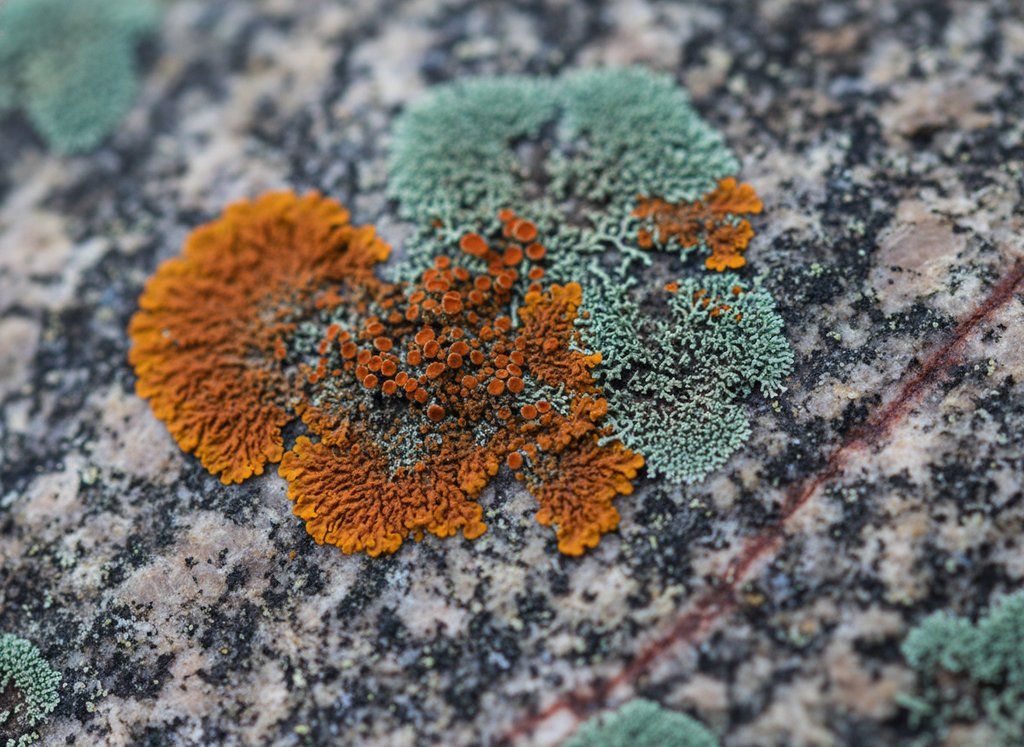
The single most important thing to ask any potential headstone cleaner is: "What cleaning solution do you use?" If they mention anything other than a pH-neutral, non-ionic biological cleaner like D/2 Biological Solution, walk away. Here in St. Louis, we have a mix of marble, limestone, and granite headstones, especially in older cemeteries like Westlake Memorial Park and Forest Hills. Marble and limestone are soft, porous stones that react chemically with acids and alkalis. A proper cleaner will use a product that kills biological growth (moss, lichen, algae) without etching the stone. D/2 is the gold standard because it’s non-ionic, meaning it doesn’t leave a residue that attracts more dirt. It’s also safe for the environment—important when you’re working near trees and groundwater. In my experience, a professional who carries D/2 or a similar product knows their craft.
Check Their Tools: Soft Bristles and Wooden Scrapers Only
The tools a cleaner uses are just as important as the cleaner itself. Avoid anyone who shows up with a pressure washer, a wire brush, or a metal scraper. Here’s why: St. Louis gets an average of 42 inches of snow and rain a year, and our temperature swings can be brutal—from 100°F in July to single digits in January. This constant freeze-thaw cycle already weakens the surface of old stone. Adding high-pressure water or abrasive metal tools can cause spalling (flaking) or even crack the stone entirely. The best headstone cleaners in St. Louis use only soft-bristle brushes (natural horsehair or nylon) and wooden or plastic scrapers for stubborn dirt. They work slowly, with gentle, circular motions. If a cleaner tells you they need to "power wash" a stone, especially a marble or limestone one, thank them for their time and call someone else.
Ask About Their Experience with St. Louis’s Unique Stone and Weather
St. Louis has a distinct blend of historic stone types. You’ll see alot of dark gray Vermont marble in 19th-century graves, but also local limestone, sandstone, and even some granite from Missouri quarries. Each stone reacts differently to cleaning. A good local cleaner will know that sandstone, common in older sections of places like New Calvary Cemetery, is incredibly fragile and can crumble if over-wetted. They’ll also understand our wheather: the humidity encourages biological growth, so a thorough cleaning often includes a follow-up application of a biocide to prevent regrowth for 12-18 months. I always recommend asking for references from other St. Louis cemetery jobs. A pro will have photos of before-and-after work from local sites like Sts. Peter and Paul Cemetery or the historic Congressional Cemetery. They should also know the rules of each cemetery—some, like the city-owned ones, require permits and restrict what you can do.

Beware of “One-Size-Fits-All” Pricing and Guarantees
Headstone cleaning is not a commodity. The cost should depend on the stone’s size, material, condition, and the amount of biological growth. In St. Louis, you might pay anywhere from $75 for a small, modern granite marker to $300 or more for a large, ornate marble monument with deep lichen stains. If a cleaner gives you a flat rate without seeing the stone first, they’re probably cutting corners. Also, be wary of anyone who guarantees the stone will look “like new” after one cleaning. Stains from iron or rust (common in older stones with metal pins) may never come out completely, and that’s okay—it’s part of the stone’s history. A trustworthy cleaner will set realistic expectations and explain what’s possible. I’ve had clients in the Shaw neighborhood who were disappointed that their great-great-grandmother’s sandstone marker didn’t turn bright white. I had to explain that sandstone is naturally warm-toned, and over-cleaning it would destroy it's surface.
Look for a Commitment to Preservation, Not Just Aesthetics
The best headstone cleaners in St. Louis understand that they are conservators first and cleaners second. They won’t offer to “seal” the stone (most sealants trap moisture and cause damage). They won’t suggest painting or applying any kind of coating. They’ll tell you that the goal is to remove harmful growth and soot, not to make the stone look like a new headstone. I’ve worked with a wonderful crew at Riverview Memorial Gardens who always leave a stone slightly damp after cleaning, because they know that rapid drying in our summer sun can cause stress fractures. They also document every step with photos, so families have a record of the work. If a cleaner talks about “restoring” a stone by adding new material or polishing it, that’s a red flag. True preservation means keeping the stone as close to its original state as possible, just with the dirt removed.

Frequently Asked Questions
Q: How often should I have a headstone cleaned in St. Louis, given the weather?
A: In our humid climate, with freeze-thaw cycles and lots of rain, I recommend a professional cleaning every 2 to 3 years. If you see green algae or black lichen starting to form, don’t wait—it’s easier to remove early. Annual touch-ups with just water and a soft brush can help between professional cleanings.
Q: Can I clean a headstone myself with vinegar and water?
A: I strongly advise against it. Vinegar is acetic acid, and even diluted, it can etch marble and limestone over time. St. Louis has a lot of soft limestone in older markers, and vinegar will slowly eat away the surface. Stick to a pH-neutral cleaner like D/2, and always test a small, inconspicuous area first.
Q: What should I do if a headstone has black spots that won’t come off?
A: Those black spots are often lichen or moss that has rooted into the stone’s pores. A gentle application of D/2, left to sit for 10-15 minutes, usually lifts them. If they persist, it could be iron staining from a buried metal support. That’s best left to a professional—aggressive scrubbing will just spread the stain.
Q: Are there any cemeteries in St. Louis that require a permit for headstone cleaning?
A: Yes, several. For example, the city-owned Calvary Cemetery and Bellefontaine Cemetery both require you to register and carry liability insurance. Always check with the cemetery office before hiring a cleaner—they can tell you their specific rules. A good local cleaner will already know these requirements.
Q: How can I tell if a headstone cleaner is using the right techniques?
A: Ask them about their process. A proper cleaner will use a pH-neutral, non-ionic cleaner (like D/2), soft bristle brushes, and wooden or plastic scrapers. They should never use bleach, pressure washers, or wire brushes. They should also be happy to explain how they handle different stone types—if they don’t know the difference between marble and granite, find someone else.