Best Headstone & Monument Cleaners on the Gulf Coast: Battling Humidity, Salt & Lichen
headstone cleanning in Texas | headstone cleaning in Florida
I remember my first real cleanup job down in Biloxi, back in 2012. A family had called me about their grandmother's marble marker, installed just three years earlier. It looked fifty years old. The Gulf air had already etched shallow pits into the surface, and a thick crust of gray-green lichen covered the entire inscription. The family was heartbroken. They'd tried scrubbing it with a wire brush and dish soap. Big mistake. The brush had scratched the polished face, leaving a dull haze that caught the afternoon light like a bad sunburn.
That day taught me something I've never forgotten: cleaning stone on the Gulf Coast isn't like cleaning stone anywhere else. The humidity hangs around 80% most of the year. Salt spray from the ocean carries microscopic sand particles that act like sandpaper on soft stone. And lichen? It thrives here like nowhere else I've worked. So when people ask me for the best headstone cleaners on the Gulf Coast — and they ask alot — I don't give them a one-size-fits-all answer. I give them a system. A strategy. Because what works in Arizona will destroy a monument in Mobile. Let me walk you through what actually works, what absolutely doesn't, and why.
Why the Gulf Coast Is Brutal on Stone (and Why Most Cleaners Fail)
I've cleaned headstones from Texas to Florida, and the Gulf Coast is it's own beast. The combination of high humidity, airborne salt, and persistent biological growth creates a triple threat. Salt doesn't just sit on the surface — it wicks into porous stones like limestone and sandstone. When it dries, it crystallizes. Those crystals expand and literally pop chips off the stone. I've seen sandstone markers lose a quarter-inch of detail in under a decade.
Lichen is another nightmare. It's not just a stain. It secretes acids that etch the stone, and its root-like structures (called rhizines) grip the surface so tight that scraping it off often tears away stone with it. Most off-the-shelf cleaners — the ones labeled 'stone safe' at big-box stores — are designed for granite countertops. They don't touch lichen. Some even leave a residue that traps more moisture. I've tested maybe forty different products over the years. Only a handful are worth your time.
The Only Cleaner I Trust: D/2 Biological Solution — and Why
If you push me for a single product name, it's D/2 Biological Solution. Period. I've been using it since 2014. It's a pH-neutral, non-ionic cleaner that doesn't rely on harsh chemicals to kill biological growth. Instead, it uses enzymes and bacteria that literally eat the organic matter — lichen, moss, algae, mildew — and then die off. No residue. No etching. No salt deposits left behind.
I did a test back in 2017 on a limestone obelisk in Pascagoula. One side got D/2. The other side got a popular 'stone cleaner' from a national brand. After six months, the D/2 side was clean and the lichen hadn't returned. The other side had a white, crusty residue and the lichen was already growing back. D/2 isn't cheap — about $40 a gallon — but a gallon covers roughly 200 square feet of stone. For most single headstones, a quart is plenty. Apply it with a pump sprayer, let it sit for 10-15 minutes (longer for thick lichen), then rinse with a garden hose at low pressure. That's it. No scrubbing. No wire brushes. No abrasive tools of any kind.
One caveat: D/2 works best when the stone is already damp. I wet the stone first, spray on the solution, and keep it damp for the dwell time. On the Gulf Coast, that's easy — just do it in the morning before the sun bakes everything dry. If you're in direct sun, the solution evaporates too fast and you'll get white streaks.
Tools You Actually Need (and the Ones You Should Throw Away)
Let me save you some money and heartache. Here's what you need: a pump sprayer (I like the Chapin 1-gallon model — about $20), a soft-bristle brush (natural fiber like horsehair or a nylon brush labeled for stone), a garden hose with a spray nozzle, and maybe a plastic scraper for thick lichen that's already dead and loose. That's it.
Here's what you don't need: wire brushes, steel wool, pressure washers (anything over 800 PSI will damage soft stone), bleach, ammonia, vinegar, or any acidic cleaner. I've seen people use oven cleaner. I've seen people use pool chlorine. I've seen a guy use a wire wheel on a drill. Every single one of those caused permanent damage. On marble, acid will create a frosted, etched surface that can never be polished back. On limestone, it dissolves the binding material and turns the surface to powder. On sandstone, it's even worse — the stone can literally crumble in your hands.
And please, for the love of everything, skip abrasive tools. No Scotch-Brite pads. No sandpaper. No pumice stones. If you have to scrub hard enough to make the stain disappear, you're probably removing stone. That's not cleaning — that's carving.
A Step-by-Step Routine for Gulf Coast Headstones (That Actually Works)
Here's the routine I've settled on after a decade of trial and error. I do this for every granite, marble, limestone, or sandstone marker I work on. Adjust it based on how dirty the stone is.
First, wet the stone thoroughly with a garden hose. This pre-wets the surface and helps the cleaner penetrate. Second, mix your D/2 according to the label (usually it's ready to use, but I sometimes dilute it 1:1 with water for routine maintenance). Spray it on from bottom to top — that prevents runoff streaks. Third, let it sit. For light algae or mildew, 10 minutes is enough. For thick lichen crusts, I've let it sit for 30 minutes, re-wetting the stone every 10 minutes to keep it damp. Fourth, use your soft brush to gently agitate any stubborn spots. Don't scrub hard — just a light back-and-forth motion. Fifth, rinse thoroughly with low-pressure water. I use a hose with a shower setting, not a jet. Sixth — and this is the step most people skip — dry the stone with a microfiber cloth if it's in direct sun. Water spots on marble or dark granite can leave mineral deposits that look worse than the original dirt.
One last thing: never clean a headstone in direct sunlight if you can avoid it. The cleaner dries too fast, leaves streaks, and can cause thermal shock on older stones. Early morning or late afternoon is best. Cloudy days are ideal.
When to Call a Pro (and When You Can DIY)
I'm not going to tell you that every headstone needs a professional. That's just not true. If you've got a granite marker with some mildew and a light moss layer, you can handle it with D/2 and a hose. Granite is tough — it's one of the hardest stones out there, and it resists acid and salt pretty well. I've seen homeowners keep their family's granite markers looking great for decades with just an annual D/2 treatment.
But call a pro if the stone is marble, limestone, or sandstone and has heavy lichen growth, deep staining, or any sign of flaking or crumbling. Those stones are fragile, and mistakes are permanent. I've been called out to fix 'DIY disasters' more times than I can count — stones that were scrubbed with wire brushes, pressure-washed until the inscription was illegible, or treated with muriatic acid that turned the surface into a sponge. Fixing that kind of damage costs ten times what a professional cleaning would have.
Also, if the headstone is old — pre-1900 — or has any historical significance, just call someone who specializes in cemetary conservation. The Gulf Coast has a handful of good ones. I can name three off the top of my head: Gulf Coast Stone Care in Mobile, Magnolia Monument in New Orleans, and a solo guy named Dave in Pensacola who does amazing work. That's not a paid plug — that's just who I'd trust with my own family's stones.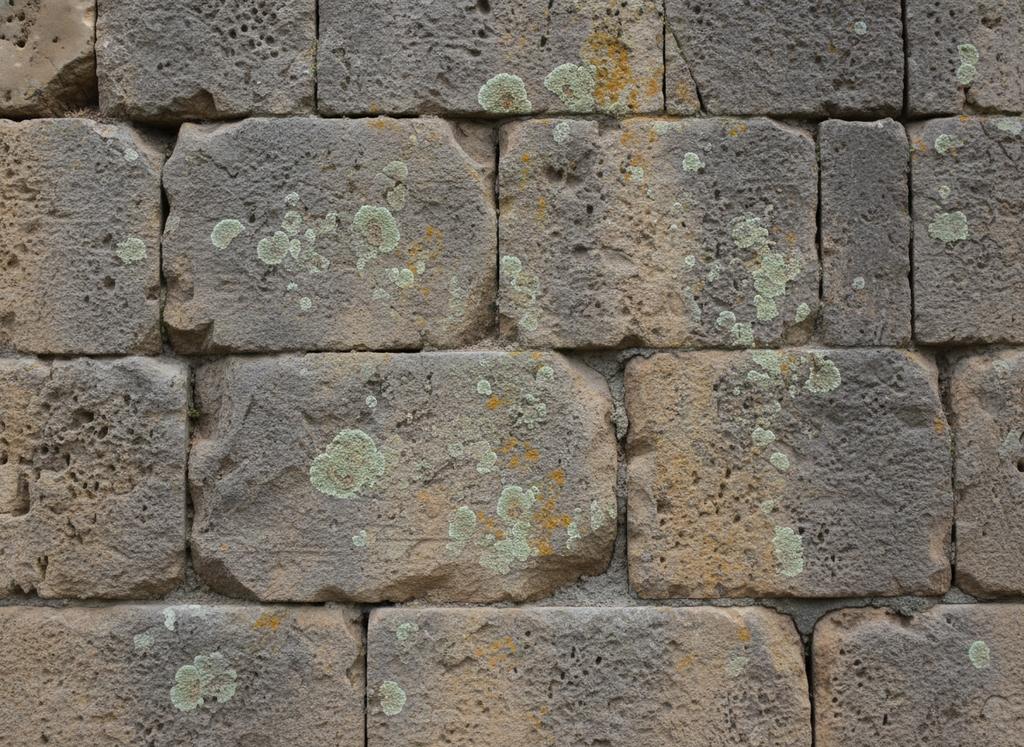
Frequently Asked Questions
Q: Can I use vinegar to clean a limestone headstone on the Gulf Coast?
A: No. Vinegar is acidic, and limestone is calcium carbonate — it reacts chemically and dissolves. Even diluted, it will etch the surface and leave a rough, chalky texture. Stick with a pH-neutral cleaner like D/2. I've seen too many limestone markers ruined by well-meaning family members with a spray bottle of vinegar.
Q: How often should I clean a granite headstone in a humid coastal area?
A: Once a year is usually enough for routine maintenance. But check it every six months — especially after hurricane season. Salt spray from storms can deposit a visible white salt crust on granite. If you see that, rinse it off with plain water within a week or two. Let it sit too long and the salt can cause surface pitting even on granite.
Q: Is D/2 Biological Solution safe for all types of stone?
A: Yes, it's safe for granite, marble, limestone, sandstone, slate, and even bronze. It's pH-neutral and non-ionic, so it won't react with the stone's chemistry. That said, I always test a small inconspicuous area first — especially on old, weathered stone. Let it sit for 15 minutes, rinse, and check for any color change. I've never had an issue, but it's good practice.
Q: What's the biggest mistake homeowners make when cleaning headstones on the Gulf Coast?
A: Using a pressure washer. Hands down. The Gulf Coast humidity means biological growth is everywhere, so people think blasting it off is the answer. But even a consumer-grade pressure washer at 1,500 PSI can erode soft stone, pop off flakes, and blast away inscriptions. I've seen it ruin stones that were in perfect condition otherwise. Stick to a garden hose with a spray nozzle.
Q: Can I remove lichen from a marble headstone without damaging it?
A: Yes, but it takes patience. Lichen on marble is tough because marble is softer than granite and more porous. Start by wetting the stone thoroughly. Apply D/2 Biological Solution and let it sit for 20-30 minutes, keeping it damp. Then use a soft nylon brush to gently loosen the lichen. Don't scrape with a metal tool. If the lichen doesn't come off after one treatment, repeat the proccess two or three times over a week. It's slow, but it's the only safe way.