Best Local DAR & SAR Chapters Restoring Revolutionary & Veteran Graves in New England
headstone cleanning in Massachusetts | headstone cleaning in Connecticut
I remember the first time I saw a DAR chapter in action, it was a chilly October morning in 2012, up at the Old Burying Ground in Lexington. I was there scrubbing a little slate marker for a woman named Prudence, who died in 1792—no relation, just a name I liked. I had my bucket of D/2 Biological Solution and a soft bristle brush, working slow, when a group of women in blue jackets showed up with a stack of flags and a clipboard. They didn't ask permission. They just started pulling weeds and righting stones that had been leaning for decades. One of them, a retired librarian named Eleanor, saw me and said, 'You're doing it wrong, dear—you need to rinse from the top down.' She was right. Took me three tries to get it right. Worth it. That's when I learned that DAR and SAR chapters aren't just about tea and genealogy. They are the workhorses of veteran grave preservation in New England. If you're looking to clean a headstone—especially a Revolutionary War or later veteran's grave—you need to know these groups. They have the training, the tools, and the patience. So let me tell you what I've learned in fifteen years of volunteering beside them.
Why DAR and SAR Chapters Are Your Best Bet for Veteran Grave Restoration
The Daughters of the American Revolution and Sons of the American Revolution have been at this since the 1890s. They aren't hobbyists. They follow strict guidelines from the National Park Service and the Association for Gravestone Studies. When a chapter adopts a cemetary, they map every stone, photograph it, and use only pH-neutral cleaners like D/2. No bleach. No wire brushes. No pressure washers. I've seen them spend an entire afternoon on a single sandstone marker from 1776—just using wooden scrapers and soft brushes. They don't cut corners. And they know the history. Last year, a SAR chapter in Concord identified a previously unmarked grave of a Minuteman by matching a broken footstone to a pension record. They put up a new government-issued marker. That's the level of care you get.
How to Find Active DAR & SAR Chapters Near You in New England
Start with the state websites. Massachusetts DAR has a list of all 54 chapters with contact emails. Same for Rhode Island, Connecticut, New Hampshire, Vermont, and Maine. Most chapters have a 'community service' or 'historic preservation' chair. Call them. Be specific. Say, 'I of a Revolutionary War veteran's grave at the South Burying Ground in Plymouth. Can you help?' They will probably say yes—but they might ask you to join. That's fine. You don't have to be a member to volunteer alongside them. I'm not a DAR member (I'm not a descendant), but I've worked on over 40 graves with the Lydia Cobb Chapter in Taunton. They let me bring my own D/2 and my old toothbrushes. Also check the SAR's 'Patriot Grave Restoration' program—they have a national database of unmarked or damaged veteran graves. You can submit a location and they'll assign a chapter.
What Tools and Cleaners These Chapters Actually Use
I've seen their supply bins. Here's what's in them: D/2 Biological Solution (the standard for biological growth—lichen, moss, mildew), soft natural-bristle brushes (horsehair or tampico—never nylon on soft stone), wooden or plastic scrapers (for thick lichen), distilled water (tap water can leave mineral deposits), and lots of microfiber cloths. They avoid harsh household chemicals completely. No bleach, no ammonia, no acids. They also skip abrasive tools like wire brushes, sandpaper, or steel wool. For marble and limestone, they never pressure wash—too much risk of pitting. For granite, a gentle pressure wash with a wide fan tip is okay, but most chapters still prefer hand-cleaning. One SAR member told me, 'We treat every stone like it's our grandmother's.' That stuck with me.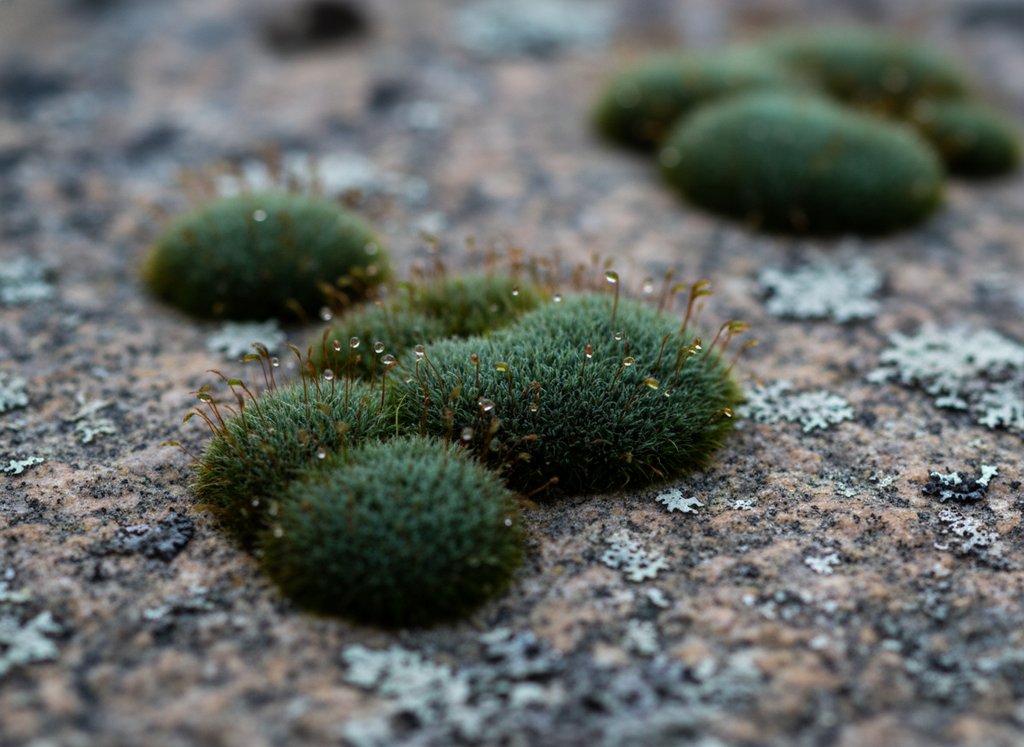
The Right Way to Clean a Revolutionary War Grave (Step by Step)
I've done this alongside DAR women who've been at it for 30 years. Here's the routine: First, photograph the stone from all angles. Record any cracks or flakes. Then gently remove loose dirt with a wooden scraper. Mix D/2 with water per the label (usually 1:1). Spray or brush it on—let it sit for 10-15 minutes. Don't let it dry. Use a soft brush in a circular motion, starting at the top. Rinse with distilled water from a spray bottle—never a hose on full blast. Repeat if needed. Never scrape off the patina (the dark crust)—that's part of the stone's age. And never use any chemical on a stone that's already flaking or crumbling. That's when you call a profesional conservator. The chapters have a list of those too. They don't pretend to be experts at everything.
How You Can Help (Even If You're Not a Member)
You don't need a lineage. You just need a willingness to kneel in the mud. I showed up at a SAR work day in 2015 with a bucket and a brush. They handed me a clipboard and said, 'Start with the one near the oak tree.' By noon, I had cleaned three stones and learned more about 18th-century carving techniques than any book could teach. Most chapters hold public 'clean-ups' in the spring and fall. They'll teach you. Bring your own gloves and knee pads. And if you find a veteran's grave that's in bad shape—maybe a broken headstone or one that's sunk into the ground—report it to the SAR's Patriot Grave Restoration program. They have funds to reset stones and install new markers. I did that for a grave in Rehoboth last year. The family hadn't been able to find it for 80 years. They cried when they saw it standing again. That's why I keep doing this.
Frequently Asked Questions
Q: Can I use bleach or vinegar on a Revolutionary War headstone if it's just a little green?
A: No. Please don't. Bleach and vinegar both damage stone. Bleach leaves salt residue that causes flaking. Vinegar is acidic and eats away at marble and limestone. Stick with D/2 Biological Solution. It's what DAR and SAR chapters use. You can buy it online. A little bottle lasts a long time.
Q: How do I find out if a DAR or SAR chapter near me is doing grave restoration?
A: Go to the state DAR website and look for 'historic preservation' or 'community service' committee contacts. For SAR, use the national database at sar.org/patriot-grave-restoration. Call or email. Be patient—they're all volunteers. I usually hear back within a week.
Q: What if the grave is a veteran from the War of 1812 or later—do DAR and SAR still help?
A: Yes. Many chapters adopt all veteran graves in a cemetery, not just Revolutionary War ones. The SAR's Patriot Grave Restoration program covers all conflicts up to World War I. I've cleaned a Civil War grave with a DAR group. They don't discriminate by century.
Q: Is it safe to pressure wash a granite veteran headstone?
A: Granite is hard, so a gentle pressure wash with a wide fan tip and low pressure (under 1000 PSI) is okay if you keep the nozzle at least 12 inches away. But most chapters still prefer hand-cleaning to avoid any risk of pitting or dislodging loose fragments. When in doubt, use a brush.
Q: I found a broken headstone from 1778 in my town's cemetery. Who do I call?
A: Contact your state SAR's Patriot Grave Restoration chair and your local DAR chapter. They can assess if the stone can be repaired or if it needs a replacement marker. Don't try to glue it yourself—you might use the wrong adhesive. I've seen epoxy ruin a stone. Let the experts handle it.