Best Spray Bottles and Foamers for Gentle Headstone Cleaning
headstone cleaning in California | headstone cleaning in Texas
A few years back, I was out in a tiny cemetary in rural Vermont, the the kind with moss creeping over everything and a view that makes you forget your phone exists. I’d just spent twenty minutes scrubbing a gorgeous 1880s marble marker with a cheap spray bottle I’d grabbed from a dollar store. It dribbled, it clogged, and halfway through, the nozzle just snapped off in my hand. I stood there, dripping D/2 Biological Solution down my jeans, holding a useless plastic tube. Took me three tries to find a bottle that actually worked for this job. Worth it.
Here’s the thing: headstone cleaning isn’t just about the cleaner. It’s about how you apply it. A bad spray bottle means uneven coverage, wasted solution, and more scrubbing than neccessary. I’ve tested dozens—from little pump sprayers to industrial foamers—and I’ve got strong opinions. So if you’re tired of fighting your equipment, stick with me. I’ll walk you through exactly what works for gentle headstone cleaning, what doesn’t, and why your choice matters more than you think.
Why the Bottle Matters More Than You'd Guess
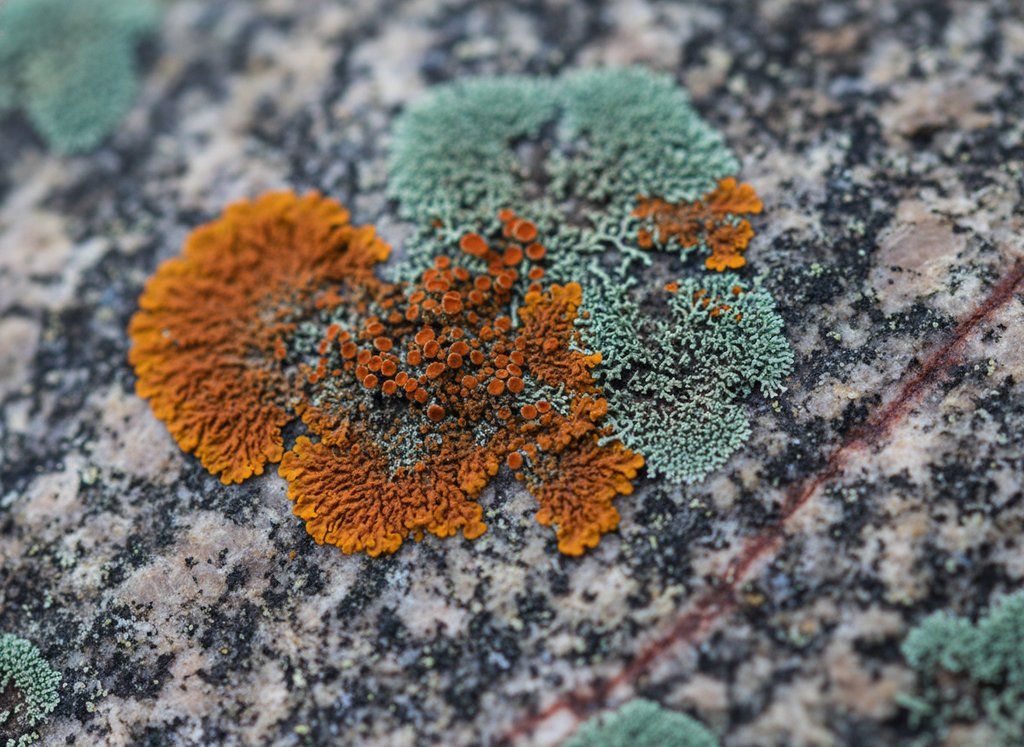
I used to think any spray bottle would do. Big mistake. A headstone isn't a kitchen counter—it's porous, delicate, and often covered in biological growth like lichen or biofilm. You need a sprayer that delivers a consistent, fine mist or a gentle foam, not a harsh jet that can erode the stone surface over time. And you absolutely need something that won't clog with the thicker, non-ionic cleaners like D/2. I've watched people ruin a perfectly good cleaning session because their bottle sputtered and left dry patches. The best spray bottles and foamers give you control—control over how much cleaner you use, where it goes, and how long it sits before you rinse. That's the difference between a clean that lasts and a clean that damages.
My Top Picks for Spray Bottles and Foamers
I’ve narrowed it down to three that I actually trust on real jobs. First, the Chapin 20000 1-Gallon Sprayer—it's a tank. The pump mechanism is smooth, the nozzle adjusts from mist to stream, and it handles D/2 without clogging. I've had mine for four years. Second, the Zep Professional Trigger Sprayer—this one screws onto any standard bottle and has a fan-spray setting that’s perfect for even coverage on flat markers. Cheap, simple, works. Third, for foam, the Flairosol Continuous Spray Bottle—no pump, no propellant, just a squeeze that creates a thick foam. Great for vertical headstones where you want the cleaner to cling, not drip off. These aren’t fancy. They’re just reliable. And that’s what matters when you’re kneeling in the mud at sunrise.
What to Look For (and What to Avoid)
First rule: skip anything with a metal spring inside the nozzle that contacts the cleaner. Some cheap bottles have these, and they corrode, then you’re spraying rust onto a 200-year-old stone. Second rule: get a bottle with a wide mouth so you can actually clean it out. D/2 and other biological cleaners can grow mold inside if left sitting—I learned that the hard way. Third rule: avoid bottles that claim to be 'high-pressure' or 'industrial strength' for cleaning stone. Those jets can pit soft limestone or sandstone over time. You want a fine mist or a foam, not a power washer. For foamers specifically, look for a continuous spray mechanism—the ones that use a piston pump, not a squeeze trigger that wears out after a month. I keep a small notebook with my model numbers written down, because I’ve forgotten too many times.
How to Set Up Your Cleaning Kit with the Right Bottle
Okay, here’s my system. I carry two bottles in my kit: one small (16-ounce) Flairosol for spot treatments and tight areas, and one larger (32-ounce) sprayer for full markers. I mix my D/2 at the label ratio—usually 1:1 with distilled water, never tap water if it’s hard, because minerals leave residue. Before I spray, I wet the stone with plain water from a seperate bottle, to prevent the cleaner from soaking in too fast. Then I foam the stone, let it sit for ten minutes (check the label, some need longer), and gently scrub with a soft nylon brush. Rinse with low-pressure water—a garden hose with a gentle spray nozzle works great. The key is consistency: the same bottle, same technique, every time. That’s how you avoid surprises.
Frequently Asked Questions
Q: Can I use a regular kitchen spray bottle for headstone cleaning?
A: You can, but I wouldn’t. Kitchen bottles usually have thin plastic triggers that break under constant use, and they often don’t handle thicker cleaners like D/2 without clogging. I’ve had three different kitchen sprayers fail on me mid-job. Spend the extra few bucks on a Zep or Chapin—your back will thank you.
Q: What’s the difference between a spray bottle and a foamer for headstones?
A: Spray bottles give you a mist or stream—good for light cleaning or rinsing. Foamers produce a thick foam that clings to vertical surfaces, so the cleaner stays in contact with the stone longer without running off. For old marble or limestone with stubborn lichen, foam is better. For flat, horizontal markers, a good mist works fine. I use both, depending on the stone.
Q: How do I clean my spray bottle after using D/2 or other biological cleaners?
A: Rinse it thoroughly with warm water right after use—don’t let it sit. Then fill it with a little white vinegar and water, shake, and spray until empty. Rinse again. Once a month, take the nozzle apart (if it disassembles) and soak it in warm soapy water. I’ve had bottles last years doing this. Skip it once, and you’ll be buying a new one soon.
Q: Are there any spray bottles I should absolutely avoid for headstone cleaning?
A: Yes. Avoid anything with metal components that touch the cleaner—especially brass or steel. Avoid cheap 'one-dollar' bottles from discount stores; the plastic cracks in sunlight and the seals leak. And avoid any bottle labeled 'for garden chemicals' that has a high-pressure nozzle—those can damage soft stone. Stick to bottles made for mild cleaners or continuous foamers.
Q: Can I use a foamer with just water and a little dish soap instead of D/2?
A: Please don’t. Dish soap is alkaline, and even mild residues can damage stone over time, especially marble and limestone. Stick to a pH-neutral, non-ionic cleaner like D/2. It’s specifically designed to kill biological growth without harming the stone. I’ve seen what happens when people use dish soap—white spots and etching that never come out. Not worth it.