
Brushing Into Lettering Grooves Without Wearing Them Down
headstone cleaning in California | headstone cleaning in Texas
I learned this lesson the the hard way. Back in 2016, I was cleaning a beautifull old sandstone marker in a rural cemetary in Vermont—a Civil War veteran named Ephraim. The lettering was deep, but filled with black lichen and dirt. I had this cheap nylon brush with stiff bristles, and I figured, 'More pressure, better clean.' I scrubbed that groove hard. Took me about ten minutes. When I stood back, the groove edges looked fuzzy. The letters were losing their crispness. I felt sick. That marker had been there since 1864. I just shaved off decades of sharp detail. Never again. Now I treat every letter like it's the last one. And I want to help you do the same. So here's my practical, no-nonsense guide to brushing headstone lettering grooves without wearing them down—wether you're a family caretaker or a volunteer.
Why Grooves Are So Vulnerable
Here's the thing: the bottom of a letter groove is often the softest part of the stone. It's been carved out, so the surface area is small, and it collects moisture, dirt, and biological growth. Over time, that groove gets slightly eroded by rain and freeze-thaw cycles. When you brush it aggressively, you're not just removing dirt—you're scraping away the microscopic layer that defines the letter's edge. Granite is tough, yes. But marble and sandstone are much softer. I've seen grooves that were originally 1/8-inch deep become almost flat after decades of rough scrubbing. The goal isn't to 'dig' the dirt out. It's to lift it gently, without altering the stone profile.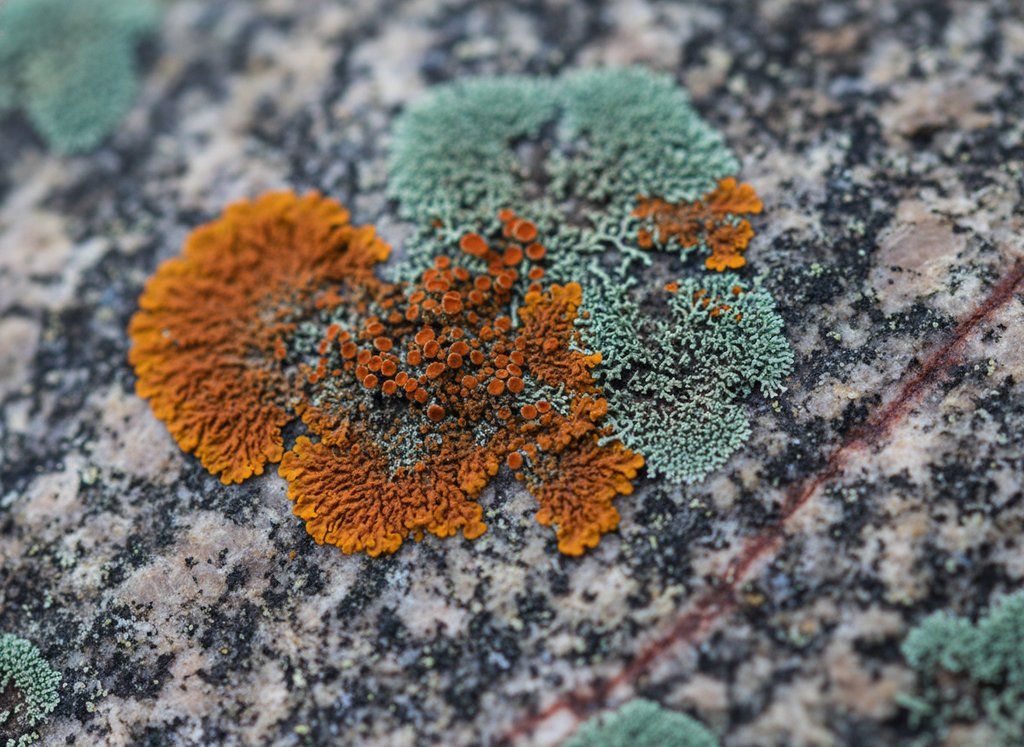
Choose Your Brush Wisely (Size and Stiffness Matter)
Don't grab a big deck brush. Don't grab a toothbrush either—not unless the groove is tiny. I use a soft-bristle brush with a narrow head, about 1 inch wide. My go-to is the 'Grout Brush' from a hardware store, but only the ones labeled 'soft' or 'medium.' I've also used a clean 1-inch paintbrush with the bristles cut short, about half an inch long. Why? Because the shorter bristles give you control without flexing too much. If the brush is too wide, you'll hit the stone surface around the groove and wear down the raised edges. Big mistake. For deep, narrow lettering, I sometimes use a soft nylon bristle brush shaped like a pencil. Takes longer. Worth it.
The Right Motion: Less Is More
Here's my method: First, wet the groove with a spray bottle of plain water. Let it soak for a minute. Then apply a pH-neutral, non-ionic cleaner like D/2 Biological Solution. Let that sit for 3-5 minutes—don't let it dry. Now, the brushing. I hold the brush like a pencil and use short, light strokes along the length of the groove, not across it. Scrubbing across the groove is what rounds out the edges. I'm talking about maybe 10-15 gentle passes per inch of groove. Then I rinse with a gentle spray of water from a hose—no pressure nozzle. If dirt remains, I repeat. Not scrub harder. I've cleaned a single letter 'O' for five minutes with a soft brush and got it perfect. Patience beats pressure every time.
Tools to Avoid (and What to Use Instead)
Steer clear of abrasive tools like wire brushes, metal scrapers, or stiff plastic bristles. Also skip harsh household chemicals—they can react with the stone or residue in the groove. Instead, stick to soft natural bristle brushes (horsehair or boar's hair work great) or high-quality nylon that's labeled 'non-abrasive.' For really stubborn biological growth inside grooves, I use a wooden skewer or a plastic toothpick wrapped in a microfiber cloth. Gently. I know it sounds slow. It is. But I'd rather spend 20 minutes on one letter than ruin it in two. One more thing: never use a pressure washer on historic lettering. That blast of water will erode the groove edges in seconds. I've seen it happen. It's heartbreaking.
A Quick Maintenance Trick for the Future
After you've cleaned the grooves, consider applying a breathable, non-toxic water repellent designed for historic stone, like a siloxane-based product. But only if the stone is sound and the cemetery allows it. This helps prevent biological growth from re-establishing in the grooves. I've done this on a few markers in Pennsylvania, and five years later the lettering still looks crisp. Also, if you're doing regular maintenance, brush the grooves lightly every spring with just water and a soft brush. Don't let the dirt build up. A little care each year beats a major scrubbing every decade. Your headstone's lettering will thank you.
Frequently Asked Questions
Q: How do I clean deep, narrow lettering grooves without a special brush?
A: Use a clean, soft-bristled artist's brush—like a 1/4-inch flat brush or a round brush from an art supply store. Cut the bristles to about 1/2 inch for more control. Another option: wrap a microfiber cloth around a plastic chopstick and gently work it into the groove. Just go slow and use light pressure.
Q: Can I use a toothbrush on marble lettering?
A: Only if the toothbrush is labeled 'soft' or 'extra soft.' Hard-bristle toothbrushes can scratch marble. I've used a soft child's toothbrush on a 1920s marble marker and it worked fine. Just don't scrub in circles—use linear strokes along the groove.
Q: What if the dirt in the groove is crusted and won't come loose?
A: Don't force it. Soak the groove with a pH-neutral cleaner mixed with water (I use a 50/50 mix of D/2 and water) and cover it with a damp paper towel for 10-15 minutes. That softens the crust. Then gently brush. If it still won't budge, repeat the soak. Never chisel or scrape.
Q: Is it okay to use a brass brush on granite lettering?
A: No. Brass is softer than granite, but it can leave metal particles that rust and stain the stone. Plus, the bristles can break off and get stuck in the groove. Stick with nylon or natural bristles. Granite is hard, but the lettering edges are still sharp and can be dulled over time.
Q: How often should I brush the lettering grooves on a family headstone?
A: Once a year is plenty, unless you have heavy biological growth. I do mine every spring after the snow melts. Just a light brushing with water and a soft brush. If you use a cleaner like D/2, you can go two to three years between deep cleanings. Over-brushing is a real risk.