Cemetery Stone Restoration in Bronx, NY: Marble, Granite & More
If you're tending a memorial nearby, you can find trusted help through Bronx, NY and New York.
Headstone Cleanning in Bronx, NY | New York Headstone Cleaners
I remember the first time I walked into Woodlawn Heights Memorial Park back in 2005, fresh out of my apprenticeship, still thinking I knew everything about stone. A woman had called me about her grandmother’s marble marker, which had turned a sickly gray-green from decades of Bronx soot and lichen. She said, ‘Robert, just scrub it like you’d clean a kitchen tile.’ I laughed, but I also cringed — because I’d seen too many headstones ruined by folks who meant well but grabbed the wrong bottle. That day, I spent four hours gently coaxing the grime off with nothing but distilled water and a soft brush, and when the white marble shone through, she cried. That’s when I knew: this work isn’t about being fast; it’s about being careful. Over twenty years since, I’ve learned that cemetary stone restoration in the Bronx is as much about understanding the stone’s story as it is about the chemistry. Let me share what I’ve learned from working right here in our borough — from the quiet corners of St. Raymond’s to the hills of Old Fordham Cemetery.
Why Bronx Weather Makes Restoration Different
Living in the Bronx, we know our wheather likes to change it's mind. Freeze-thaw cycles hit hard from December through March, and those summer thunderstorms bring humidity that feeds moss and lichen like nobody’s business. I’ve worked on stones at Pelham Bay Resting Ground that looked fine in October but by April had cracks you could slide a dime into. That’s why I always tell folks: cemetery stone restoration in Bronx NY has to start with an assessment of damage from water getting into micro-fissures. For marble and limestone — both soft, porous stones — this freeze-thaw action can flake off the surface (we call it spalling) if you’re not careful. Granite handles it better, but even granite can suffer from iron staining if it’s sitting near old wrought-iron fencing that’s rusting in our wet springs. The key is to never seal a stone unless you absolutely have to; trapping moisture inside is worse than leaving it bare.
How I Clean Different Stones: Marble, Granite, Sandstone & Limestone
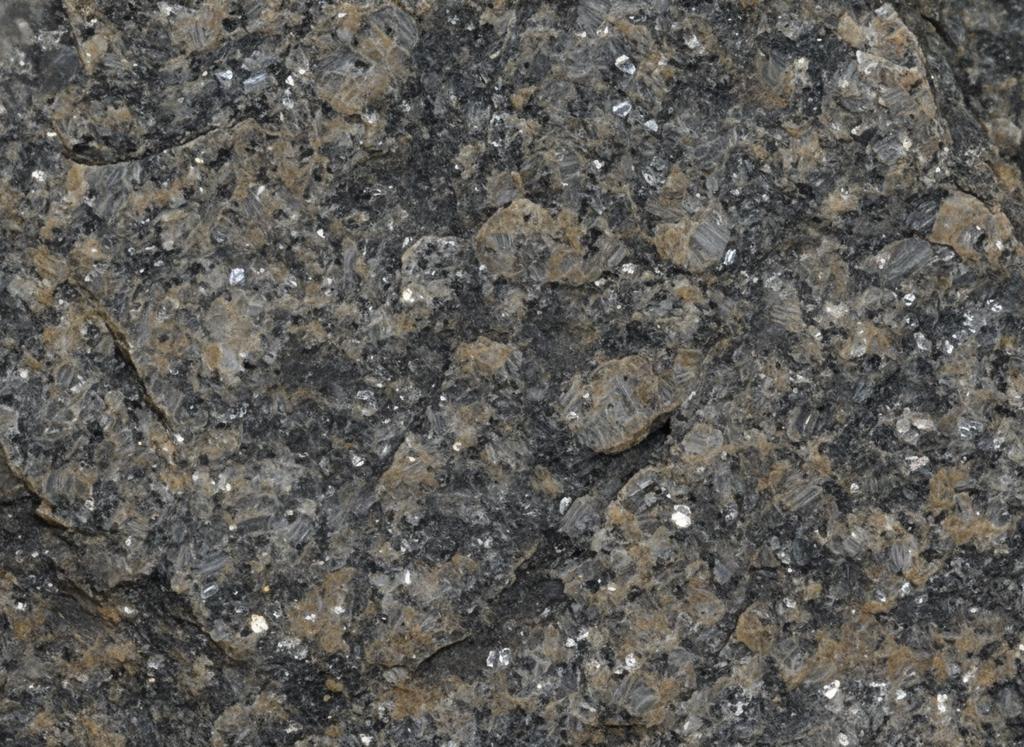
Every stone type in a Bronx cemetery demands a different touch. Marble — like the classic white markers at Woodlawn Cemetery — is soft and acid-sensitive. I use only a pH-neutral, non-ionic cleaner like D/2 Biological Solution, applied with a soft bristle brush and rinsed with low-pressure water from a garden sprayer. Granite, which you’ll find at Rose Hill Memorial Park, is tough and can handle a bit more scrubbing, but I still avoid harsh household chemicals or abrasive tools like wire brushes because they can scratch the polish. Sandstone and limestone, often found in older plots at West Farms Burial Ground, are even softer; they’re basically compressed sand or shell, so I use the gentlest method: warm water, a natural-hair brush, and patience. If there’s biological growth (moss, algae), D/2 is again my go-to — it kills the spores without harming the stone. I never use strong acids or alkaline cleaners on any of these materials, and I steer clear of pressure washers on anything except maybe a solid granite obelisk from a safe distance. When in doubt, I test a tiny spot first. That’s the rule I live by.
Common Problems I See in Bronx Cemeteries — And What to Do
Over the years, I’ve catalogued a few recurring issues that pop up in our local burial grounds. One is ‘bronze disease’ on bronze plaques attached to granite bases — it’s a green, powdery corrosion that happens when chlorides from road salt (we use alot of it here during snowstorms) react with the metal. That needs a specialized conservator, not me. Another is efflorescence — those white, chalky salt deposits that form on marble and granite after rain evaporates. A gentle wash with distilled water usually fixes it, but if it keeps coming back, it means water is wicking up from the ground, and the base might need repointing. Then there’s the issue of ‘graffiti’ — I’ve had to remove spray paint from headstones at Hunts Point Memorial Garden. For that, I use a poultice of clay and a solvent that’s safe for the stone, never a wire brush or chemical stripper. And of course, there’s the simple grime from decades of Bronx air — soot and dirt that just needs a soft cleaning. The rule is always: start with the mildest approach, and only escalate if you know what you’re doing.
When Restoration Means Repair, Not Just Cleaning
Sometimes cleaning alone won’t cut it. I’ve seen headstones in the Bronx that have toppled from root heave, or marble tablets that have cracked from old iron pins rusting and expanding inside them. That’s when restoration becomes structural. For a cracked marble stone, I use a stainless steel pin and a special epoxy that’s reversible (so future conservators can undo my work if needed). For a fallen granite monument, I re-set it on a concrete base that’s deep enough to resist frost heave — here in the Bronx, that means at least 36 inches below grade. I also repair missing pieces if the original fragments are available; I’ve glued back a broken angel wing at St. Raymond’s using a stone-compatible adhesive that won’t yellow. But I always warn clients: not every stone can be saved. If marble is ‘sugaring’ (crumbling to powder) from acid rain damage, there’s no fix — you can only stabilize it and prevent further decay. That’s a hard conversation to have with a family, but honesty is part of the job.
Frequently Asked Questions
Q: My grandmother’s marble headstone at Woodlawn Cemetery has black spots that look like mold. Can I scrub them off with vinegar?
A: Please don’t. Vinegar is acidic and will etch marble, leaving it dull and even more porous. Those black spots are likely biological growth — lichen or algae. The safest way to remove them is with a pH-neutral biological cleaner like D/2, applied gently with a soft brush and rinsed with water. I’ve cleaned dozens of markers in Woodlawn that way, and they come out looking like new without any damage.
Q: How much does cemetery stone restoration cost in the Bronx? Is it expensive?
A: It varies a lot depending on the stone type, size, and condition. For a simple cleaning of a standard granite headstone, you might spend $150 to $300. For a large marble monument that needs biological treatment and light stain removal, expect $400 to $700. If there’s structural repair — like resetting a fallen stone or gluing a crack — it can run $800 to $2,000 or more. I always give a free estimate and explain every step so there are no surprises.
Q: I saw a headstone at Rose Hill Memorial Park that’s leaning. Is it dangerous, and can you fix it without moving the grave?
A: A leaning headstone is a safety hazard, especially for kids or lawnmowers. It usually means the base has shifted from frost heave or soil erosion. Yes, I can fix it without disturbing the grave — I carefully lift the stone, dig a new foundation below the frost line (at least 36 inches deep here in the Bronx), and reset it with a concrete base. I’ve done this many times at Rose Hill, and the cemetery office usually appreciates the proactive approach.
Q: Is it true that pressure washing can damage old headstones? I’ve seen people do it on YouTube.
A: It’s absolutely true. Pressure washers can blast away the surface of soft stones like marble, limestone, and sandstone, leaving pits and rough spots that collect dirt faster. Even on granite, if the stone has any cracks or fissures, a pressure washer can force water inside, leading to freeze-thaw damage in winter. I never use pressure washing on cemetery stones — I stick to low-pressure rinsing with a garden sprayer and a soft brush. YouTube videos aren’t always right, especially when it comes to preserving history.
Q: My family plot at Old Fordham Cemetery has a sandstone marker that’s flaking. Can you restore it, or is it too far gone?
A: Sandstone is tricky because it’s naturally soft and crumbly. If the flaking is just surface-level — what we call ‘exfoliation’ — I can stabilize it with a consolidant (a special liquid that soaks in and binds the loose grains) after a very gentle cleaning. But if the stone is deeply cracked or the surface is turning to sand, it may be too fragile to save. I’d need to see it in person to give you a straight answer. I’ve worked on a few sandstone markers at Old Fordham, and some have responded well to treatment, while others were beyond repair. I’ll always be honest with you.