Cemetery Stone Restoration in Columbus, OH: Marble, Granite & More
Need a hand closer to home? You can browse Columbus, OH and Ohio.
Headstone Cleaning in Columbus, OH | Ohio Headstone Cleaners
I still remember the first time I saw Sarah’s stone, it was a chilly October morning at Oakwood Memorial Park, just off Broad Street. I’d been volunteering at the cemetary for about three years then, and I was walking the old section near the sycamore trees. There it was—a small, white marble marker, barely legible, covered in a crust of black lichen and Ohio soot. The name ‘Sarah E. Miller, 1842–1878’ was almost invisible. I knelt down, touched the cold stone, and thought, ‘Someone loved her once. She deserves to be remembered.’ That day, I started learning how to bring stones back to life. Over the past 15 years, I’ve cleaned hundreds of monuments, from the simplest granite footstones to the most elaborate marble obelisks. And you know what? Every single one has a story. Today, I want to share what I’ve learned about cemetery stone restoration right here in Columbus, Ohio—because our city’s history is written in stone, and it deserves to be read.
Understanding Columbus Weather’s Toll on Cemetery Stones
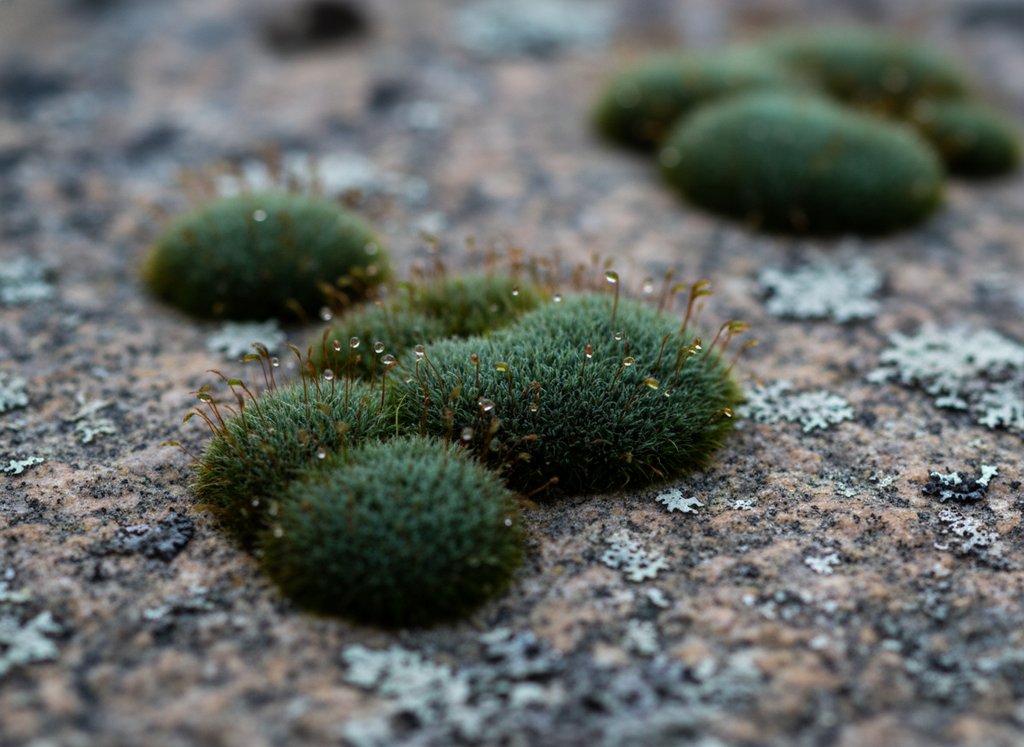
If you’ve lived in Columbus for more than a few winters, you know our wheather is a rollercoaster. One day it’s 70 degrees and sunny; the next, we’re scraping ice off the car. That freeze-thaw cycle—where water seeps into tiny cracks, freezes, expands, then thaws and seeps deeper—is the single biggest enemy of stone in our area. I’ve seen marble headstones at Greenlawn Cemetery that looked like they’d been through a war, with layers flaking off like old paint. Granite holds up better, but even it can develop hairline cracks over decades. And our summer humidity? It’s a breeding ground for lichen, moss, and that ugly black biological growth. I always tell folks: restoration isn’t just about making the stone look pretty. It’s about slowing down that damage. The right cleaning, done gently, can buy a stone another fifty years of readability. But the wrong cleaning—say, using harsh household chemicals—will speed up the decay faster than a Columbus thunderstorm in July.
Which Cleaners and Tools Are Safe for Marble, Granite, and More?
Let me save you a world of regret: never, ever use anything that fizzes or smells strong. That means skip abrasive tools like wire brushes or steel wool—they scratch the surface and let in moisture. And steer clear of strong acids or alkaline cleaners. Those can turn a beautifull marble angel into a pitted, chalky mess in one afternoon. Instead, I swear by a pH-neutral, non-ionic cleaner. My go-to is D/2 Biological Solution. I know it sounds fancy, but it’s actually the same stuff used by professional conservators at historic sites. It gently lifts biological growth without eating away the stone. For tools, I use natural-bristle brushes (horsehair is my favorite) and plastic scrapers for stubborn lichen. On softer stones like marble or limestone, I work with a soft sponge and lots of patience. For granite—which is tougher—I can use a slightly stiffer nylon brush, but I still go slow. And here’s a secret: plain water and a gentle scrub can do wonders if the grime is fresh. I always test a small, inconspicuous spot first. Restoration is a conversation with the stone, not a fight.
Step-by-Step: Restoring a Typical Headstone at Greenlawn Cemetery
Let me walk you through the process I use on most monuments here in Columbus. First, I document the stone—take photos, note any cracks or loose pieces. Then I wet the surface with a spray bottle. You never want to scrub dry stone; it can drag dirt into the pores. Next, I mix the D/2 solution according to the label (usually a 1:1 ratio with water) and apply it with a sprayer. I let it sit for 10 to 15 minutes—longer if the lichen is thick. Then I gently scrub with a soft brush, working from the top down. For carved letters, I use a small toothbrush-sized brush to get into the grooves. Rinse thoroughly with clean water. Sometimes I need a second application for stubborn spots. I always dry the stone with a soft cloth to prevent water spots. And I never, ever pressure wash. I once saw a man at Riverside Cemetery use a pressure washer on a sandstone marker—it gouged out a groove you could put your finger in. That stone is ruined forever. Slow is safe. Gentle is effective. That’s my motto.
Local Resources: Where to Get Supplies and Help in Columbus
You don’t have to go far for the right supplies. For D/2 Biological Solution, I order it online from a conservator supply company, but I’ve also seen it at a couple of local hardware stores—try the one on High Street near Clintonville, they’re good about special orders. For natural-bristle brushes, I actually go to an art supply store near Ohio State; they carry a range of soft bristle brushes that work beautifully on stone. If you’re restoring a family plot and feel overwhelmed, consider reaching out to the Friends of Greenlawn Cemetery—they have volunteer days every spring and fall where experienced folks like me guide newcomers. And for serious structural repairs (like a cracked base), I recommend calling a professional conservator. There’s a woman named Carol who works out of Worthington and specializes in historic cemetery stone—she’s restored half the angels at Old Union Cemetery. Her number is at the office of the Columbus Historical Society. I’m happy to share what I know, but some jobs need a steady hand and a conservator’s training.
Why Restoration Matters: Preserving Columbus’s Legacy
Every headstone is a tiny time capsule. When I cleaned a granite marker at Mount Calvary Cemetery last spring, I found a hidden inscription on the back: ‘Gone but not forgotten, 1863.’ That soldier probably died at Camp Chase, just a few miles away. That stone is part of our city’s Civil War story. And when I see a marble stone from the 1850s, I think about the German immigrants who built so much of Columbus—their names are fading, but their stories don’t have to. Restoration isn’t just about looks. It’s about respect. It’s about making sure that a hundred years from now, a kid walking through a cemetery can still read ‘Beloved Mother’ or ‘Here lies a friend.’ Our weather, our time, and our neglect all conspire to erase these connections. But with a little knowledge, a soft brush, and the right cleaner, we can push back. I’ve spent 15 years doing this, and I’ll keep doing it as long as my hands can hold a brush. Because every stone deserves to tell it's story.

Frequently Asked Questions
Q: Can I use vinegar and water to clean my grandmother’s marble headstone at Greenlawn Cemetery?
A: Please don’t. Vinegar is acidic—it’s about as strong as lemon juice—and it will etch marble, limestone, and sandstone over time. I know it’s a common household cleaner, but for cemetery stone, it’s a disaster. Stick with a pH-neutral cleaner like D/2 Biological Solution. It’s safe, it works, and it won’t harm the stone’s surface.
Q: How often should I clean a family stone at Riverside Cemetery here in Columbus?
A: It depends on the location and stone type. For granite, once every two to three years is usually enough. For marble—which is softer and stains more easily—I recommend a gentle cleaning every year or two. But don’t overdo it. Too much cleaning, even with safe products, can wear down the surface. I always say: clean when the stone is so dirty you can’t read the name, not just because it’s dusty.
Q: Is it okay to use a pressure washer on a granite headstone?
A: No, and I cannot stress this enough. Even granite can be damaged by a pressure washer if the nozzle is too close or the pressure is too high. It can blast off the polished surface, creating a rough, dull patch that collects dirt faster. I’ve seen it happen at Oakwood Memorial Park. A soft brush and water is all you need. Pressure washers belong on driveways, not on headstones.
Q: The stone at my family plot in Old Union Cemetery has black spots that won’t come off with water. What are they?
A: Those are almost certainly biological growths—lichens or algae that have anchored into the stone’s pores. In Columbus’s humid summers, they thrive. Water alone won’t remove them. You’ll need a biological cleaner like D/2. Apply it, let it sit for 15 minutes, then scrub gently with a soft brush. The growths should lift off. If they’re really stubborn, a second application usually does the trick.
Q: I found a small crack in my ancestor’s marble headstone at Mount Calvary. Should I try to repair it myself?
A: I strongly advise against DIY repairs on marble. Cracks are often signs of deeper structural weakness. If you fill them with the wrong material (like concrete or epoxy), it can trap moisture and cause the crack to expand. In Columbus’s freeze-thaw cycle, that’s a recipe for disaster. Call a professional conservator who specializes in stone. It might cost a bit, but it’s cheaper than replacing a shattered monument. The Columbus Historical Society can give you a list of qualified people.