Cemetery Stone Restoration in Houston, TX: Marble, Granite & More
You can also connect with specialists near you via Houston, TX and Texas.
Headstone Cleaning in Houston, TX | Texas Headstone Cleaners
I remember the first time I walked through the gates of Oak Haven Memorial Park on a humid August morning. The air was thick with the smell of crepe myrtles, and the sun was already baking the headstones. I was there to help a young woman, Maria, restore her grandmother’s marble marker. She told me that as a child, she’d visit every Sunday and trace the carved angel’s wings with her finger. But years of Houston’s subtropical heat, sudden downpours, and the occasional oak tree dripping sap had left the stone almost gray. As I knelt beside her, I explained that cleaning a cemetary stone isn’t about scrubbing away history—it’s about gently coaxing it back to life. That day, we didn’t just restore a memorial; we gave Maria a way to touch her grandmother’s memory again. Today, I want to share with you what I’ve learned about cemetery stone restoration in Houston, TX, so you can do the same for your loved ones.
Why Houston’s Climate Demands Gentle Restoration
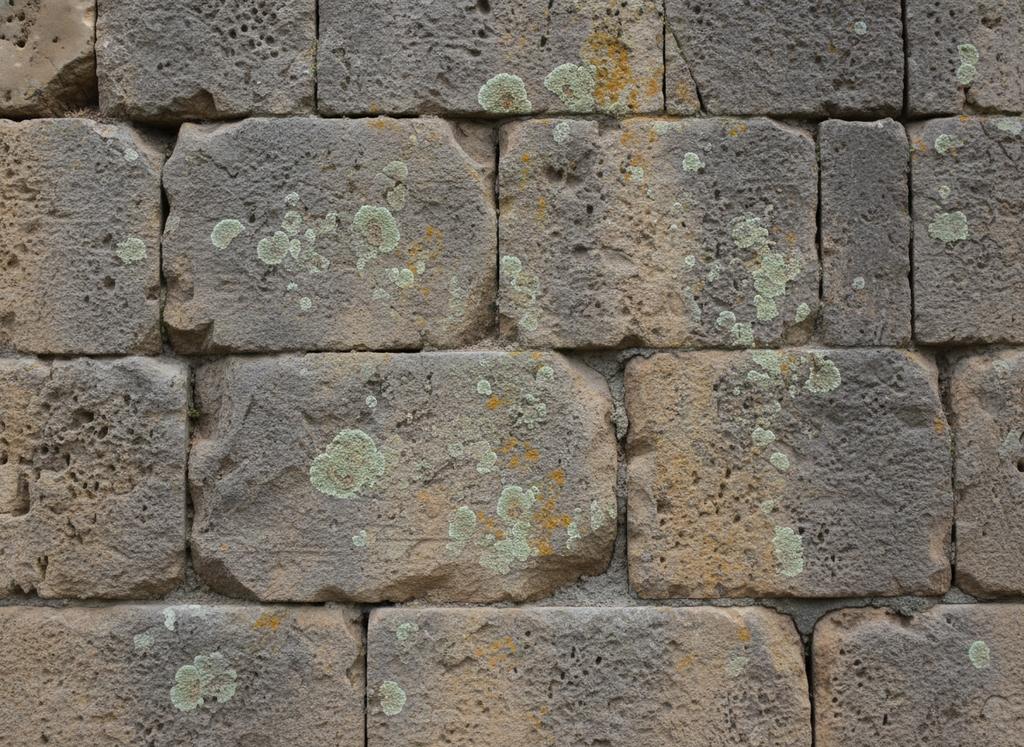
Living in Houston, we know our wheather is a character of it's own. The humidity, the sudden storms, and the relentless UV rays can turn a pristine marker into a patchwork of moss, lichen, and biological stains. Marble, with its soft, porous structure, is especially vulnerable. I’ve seen many well-meaning folks try to use the same pressure washer they use on their driveway, only to watch the stone’s surface pit and flake. That’s why the first rule in cemetery stone restoration here is to avoid harsh household chemicals and skip abrasive tools. Instead, we rely on pH-neutral, non-ionic cleaners like D/2 Biological Solution—they work with the stone, not against it. For granite, which is much harder, you still need to be careful: steer clear of strong acids or alkaline cleaners, because even granite’s minerals can be etched over time. The key is patience, especially in our humidity, where moisture can trap dirt if you rush.
Identifying Your Stone: Marble, Granite, and More
Before you touch a single tool, you need to know what you’re working with. Marble, common in older monuments at places like Evergreen Memorial Gardens or Shady Oaks Cemetery, feels smooth and cool, and it will fizz if you put a drop of lemon juice on it (just a test, not a cleaning method). Granite, which dominates newer plots at places like Harvest Lawn Memorial Park, is speckled and dense—it won’t react to acid. Sandstone and limestone, also found in historic sections, are even softer. For these, the rule is absolute: never use wire brushes or strong chemicals. I recall a gentleman who tried scrubbing his father’s limestone marker with a stiff nylon brush and a homemade vinegar solution; it left the surface rough and pitted. The right approach for any stone is a soft-bristle brush, distilled water, and a biological cleaner that eats away organic growth without harming the substrate. If you’re unsure, just rub a small, inconspicuous area with a damp cloth—if it feels crumbly, call a professional.
Step-by-Step: A Safe Cleaning Method for Houston’s Stones
Here’s the method I teach families across Houston, wether they’re tending a plot at Riverbend Memorial Park or a small family plot in the Heights. First, soak the stone with water—use a spray bottle or a gentle hose nozzle, not a pressure washer. This pre-wet step prevents the cleaner from drying too fast in our heat. Next, apply a pH-neutral, non-ionic cleaner like D/2 Biological Solution. Let it sit for 5 to 10 minutes; you’ll see the moss and lichen start to lighten. Then, use a soft-bristle brush (I prefer a natural horsehair brush) to work the solution in gentle circles. Rinse thoroughly with clean water, using a low-pressure spray. For stubborn biological stains, you may need to repeat the process after a week. Never scrape with metal tools—they leave permanent gouges. And always work in the shade if possible; direct sun can dry the solution too quickly and leave streaks. After you’re done, step back and let the stone dry naturally. The result is a clean, preserved marker that looks natural, not bleached.
When to Call a Professional in Houston
Sometimes, the damage is beyond a DIY approach. I’ve seen headstones with deep efflorescence (white salt deposits), cracked marble from freeze-thaw cycles (yes, we get rare freezes here), or unstable foundations. If the stone is leaning, chipped, or if you notice flaking layers (delamination), it’s time to call someone who specializes in cemetery stone restoration in Houston, TX. We also handle resetting stones that have shifted due to our clay soil—a common issue after heavy rains. A professional will use poultices to draw out salts, epoxy consolidants for cracks, and proper anchoring for stability. And if you’re unsure about the stone type or the best cleaner, don’t guess. I’ve seen too many family heirlooms damaged by well-intentioned scrubbing. A consultation is free, and it saves years of regret.
Frequently Asked Questions
Q: Can I use a pressure washer on my granite headstone in Houston?
A: I strongly advise against it. Even on granite, high-pressure water can force moisture into hairline cracks and dislodge the stone from its base. Our Houston soil expands and contracts with moisture, so a pressure washer can destabilize the entire monument. Stick to low-pressure rinsing with a garden hose.
Q: What’s the best way to remove moss and lichen from a 100-year-old marble stone at Oak Haven Memorial Park?
A: For marble, moss and lichen should be treated with a biological cleaner like D/2, which is pH-neutral and won’t etch the soft stone. Apply it, let it dwell, and gently brush with a soft bristle brush. Avoid any strong household chemicals, as they can permanently dull the surface. I’ve restored dozens of marble stones this way with beautiful results.
Q: How often should I clean a headstone in Houston’s climate?
A: I recommend a gentle cleaning every two to three years, depending on its location. Stones under oak trees or near sprinklers may need annual attention. Over-cleaning can wear down the stone, so focus on biological growth rather than trying to make it look brand new. A light rinse with water between cleanings helps.
Q: My sandstone marker has a white powdery residue. What is it, and how do I fix it?
A: That’s efflorescence—mineral salts brought to the surface by moisture. It’s common in Houston’s humid climate. For sandstone, never use acid; instead, apply a poultice made of distilled water and a pH-neutral cleaner, cover it with plastic wrap, and let it draw out the salts over 24 hours. Rinse gently. If it persists, a professional can treat it with a specialty poultice.
Q: Is it safe to use a wire brush on a granite headstone?
A: No, I don’t recommend wire brushes on any stone, including granite. They can scratch the polished surface and leave metal particles that rust and stain over time. Always use a soft-bristle brush—natural bristles are best. Even with granite, gentle treatment preserves the stone’s integrity and appearance.