Cemetery Stone Restoration in Jacksonville, FL: Marble, Granite & More
For local options, it's worth looking at Jacksonville, FL and Florida.
Headstone Cleaning in Jacksonville, FL | Florida Headstone Cleaners
I’ll never forget the first time I stepped into Oaklawn Memory Gardens off Beach Boulevard, it was a steamy July morning, and the humidity was already thick as honey. A young woman named Claire had called me, desperate. Her grandmother’s marble marker—a beautifull Victorian-era piece with a carved lily—was nearly black with lichen and a greasy film I later learned came from years of car exhaust and the salty air drifting in from the St. Johns River. She’d tried scrubbing it with a stiff brush and a splash of laundry detergent. The marble had started to pit. I knelt down, ran my fingers over the soft stone, and told her the hardest truth: that marble is like chalk compared to granite, and harsh cleaners eat it alive. Over the next two afternoons, using nothing but a soft brush and a pH-neutral biological cleaner, I coaxed that lily back to life. When Claire saw the white petals emerge, she wept. That’s why I do this. Every stone in Jacksonville has a story—and a specific way to be treated right. Wether you’re at Riverside Memorial Park, Evergreen Cemetary, or a small family plot in Mandarin, the principles are the same. Let me walk you through the best approach for cemetery stone restoration in Jacksonville, FL.
Understanding Jacksonville’s Unique Challenges for Cemetery Stones
Living in Jacksonville means dealing with a subtropical climate that’s tough on stone. We get intense summer sun, high humidity, and salt-laden air from the Atlantic and the St. Johns River. Granite—the most common stone in newer memorials—handles this fairly well, but marble, limestone, and sandstone are porous and vulnerable. Moss, lichen, and biological staining thrive in our warm, damp environment. The red clay soil in places like San Marco and Ortega can also wick moisture into the base of a stone, causing freeze-thaw damage on rare cold nights. When I work on a stone in Jacksonville, I always check for soft spots where the stone has started to powder—especially on older marble from the early 1900s. The key is to clean gently and regularly, not aggressively. One good rule: if you can scratch the stone with your fingernail, it’s soft and needs extra care.
The Right Way to Clean Marble, Granite, and Sandstone
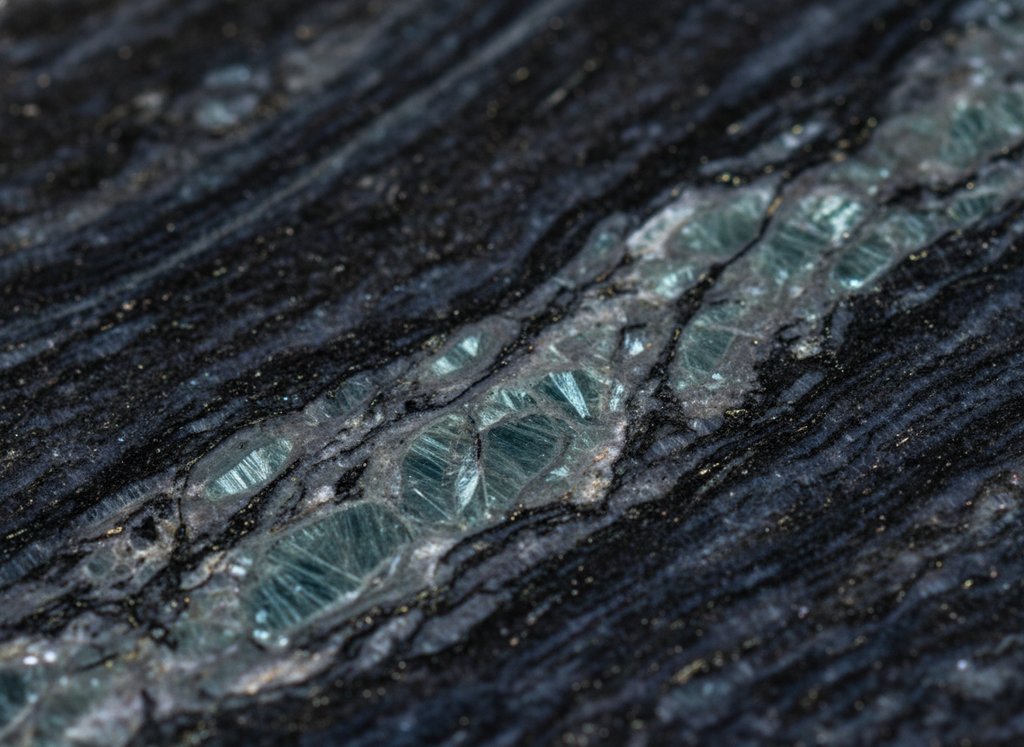
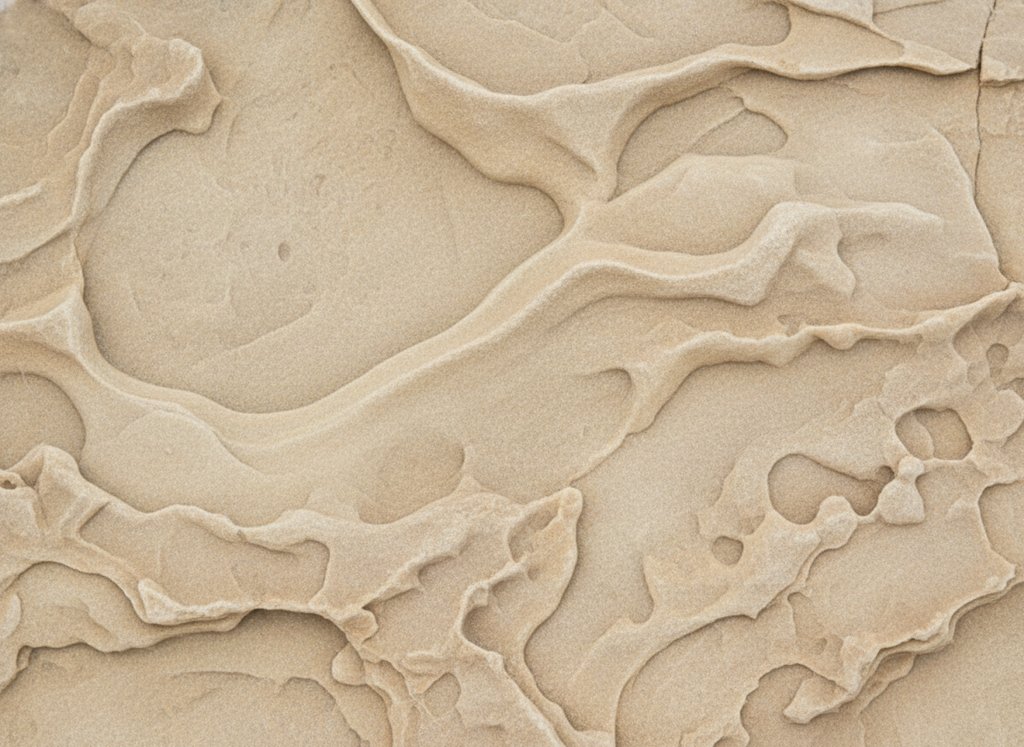
I use the same toolkit for almost every stone in Jacksonville, with minor adjustments based on hardness. For marble and limestone—which are soft and acid-sensitive—I always start with a soft natural-bristle brush (never wire) and a pH-neutral, non-ionic biological cleaner like D/2 Biological Solution. This cleaner uses enzymes to eat away organic growth without damaging the stone. I spray it on, let it sit for 10–15 minutes, then gently scrub and rinse with distilled water. For granite, which is much harder, I can use a slightly stiffer brush, but I still avoid pressure washers—they can blast away patina and force moisture into cracks. Sandstone is the trickiest: it’s essentially compressed sand, and even a stiff brush can dislodge grains. For sandstone, I use a soft sponge and a gentle misting spray. I always test a small, inconspicuous area first. In Jacksonville’s humidity, I recommend cleaning in the early morning or late afternoon to avoid rapid evaporation that leaves streaks.
What to Avoid at All Costs (Even If It’s Tempting)
I’ve seen too many stones ruined by well-meaning families. The biggest mistake is using harsh household chemicals or abrasive tools. These products can etch the surface, strip away the stone’s natural patina, and even weaken the structure. I also steer clear of strong acids or alkaline cleaners, which can cause permanent discoloration. For marble and limestone, those are especially dangerous. Another no-go is wire brushes or metal scrapers—they leave scratches that collect dirt and eventually look worse than the original stain. And please, don’t use a pressure washer on anything but the hardest granite, and even then, keep the pressure low (under 1000 psi) and the nozzle at least 12 inches away. The safest bet is always: soft brush, pH-neutral cleaner, and patience. In Jacksonville, where the heat can make you want to speed through the job, slow down. Rushing is the enemy of restoration.
When to Call a Professional vs. DIY in Jacksonville
Not every stone needs a pro, but some situations in Jacksonville demand expertise. If the stone is leaning, cracked, or has sunken into the sandy soil (common after heavy rains), you need a structural reset—not just cleaning. If the inscription is faint or the stone has been painted with old latex (I’ve seen this in historic cemeteries like Old City Cemetery), a professional can use poultices or micro-abrasive techniques that aren’t safe for amateurs. For routine biological staining on granite or marble, you can DIY with D/2 solution and a soft brush. But if the stone is marble from before 1930, or if you’re unsure of the material, call someone like me. I also recommend a consultation if the stone is part of a larger family plot with multiple materials—I once worked on a plot in Evergreen that had a granite monument, marble footstones, and a sandstone bench. Each required a different approach. A pro can save you money in the long run by preventing irreversible damage.
Preserving Jacksonville’s Cemetery Heritage for Future Generations
Our cemeteries are outdoor museums. Places like Oaklawn, Riverside Memorial Park, and the historic Jewish cemetery on Main Street hold the stories of Jacksonville’s founders, Civil War veterans, and everyday families. When you restore a stone, you’re not just cleaning—you’re preserving a piece of local history. I always document my work with photos and notes for the family, and I encourage people to check with the cemetery office before starting any restoration. Some cemeteries have rules about cleaning methods or require approval. I also suggest cleaning stones once a year in late spring, before the worst of the humidity hits. A light annual cleaning with a biological solution prevents heavy buildup. And if you notice a stone that’s tilting or showing signs of water damage, act quickly. In Jacksonville’s climate, a small crack can become a big problem in just one rainy season. Treat every stone like a fragile memory—because that’s exactly what it is.
Frequently Asked Questions
Q: Can I use vinegar or baking soda to clean my grandmother’s marble headstone in Jacksonville?
A: Please don’t. Vinegar is acidic and will etch marble, leaving a dull, rough surface. Baking soda is alkaline and can also damage soft stones. Stick with a pH-neutral, non-ionic biological cleaner like D/2. I’ve seen marble in Jacksonville’s humidity that looked like sandpaper after vinegar use—it’s heartbreaking.
Q: How often should I clean a granite monument at Riverside Memorial Park?
A: Once a year is usually enough, but if your stone is under trees or near the river where moss grows fast, you might need a touch-up every six months. Granite is tough, but the biological growth in Jacksonville’s climate can still stain it if left too long. I recommend a light cleaning every spring.
Q: Why is my sandstone marker crumbling even though I never cleaned it?
A: Sandstone is naturally soft and absorbs moisture like a sponge. In Jacksonville’s humid climate and with the red clay soil holding water, freeze-thaw cycles (even our rare frosts) can cause the stone to spall or flake. It’s not your fault—it’s the environment. A professional can apply a breathable consolidant to stabilize it, but never seal it with anything non-breathable.
Q: I found a headstone in a historic cemetery in Mandarin that’s covered in black lichen. Can I pressure wash it off?
A: Please don’t use a pressure washer on anything other than very hard granite, and even then with caution. The black lichen is likely growing into the stone’s pores. A pressure washer will blast off the surface along with the lichen, leaving pockmarks. Use a biological cleaner like D/2 instead—it kills the lichen roots and you can gently brush it away.
Q: Do I need permission from the cemetery before restoring a stone in Jacksonville?
A: Yes, always check with the cemetery office first. Many cemeteries, like Evergreen and Oaklawn, have specific guidelines. Some require you to use approved cleaners or hire a bonded restorer. It’s a simple phone call that can save you from fines or having your work undone. I always get written approval before starting a job.