Cemetery Stone Restoration in Milwaukee, WI: Marble, Granite & More
If you're tending a memorial nearby, you can find trusted help through Milwaukee, WI and Wisconsin.
Headstone Cleaning in Milwaukee, WI | Wisconsin Headstone Cleaners
I still remember the first time I knelt beside a toppled marble marker at old St. Adalbert’s Cemetary on the south side, back in the spring of 2018, it was a cold April morning, and the frost heave had pushed a beautiful 1880s headstone clean out of the ground. As I carefully lifted it, I noticed the name—Magdalena Kowalski—and the faint carving of a rose. That moment hooked me. I’ve been a cemetery preservation volunteer ever since, and I’ve learned that Milwaukee’s harsh freeze-thaw cycles, lake-effect snow, and urban grit take a real toll on our stone. Wether you’re tending a family plot at Forest Home or a small churchyard in Bay View, knowing how to restore stone the right way makes all the difference. In this guide, I’ll walk you through the basics of cemetery stone restoration in Milwaukee, WI—what works, what doesn’t, and how to keep our city’s history standing tall.
Understanding Milwaukee’s Stone Types: Marble, Granite, and More
Milwaukee cemeteries are a mix of old and new. Marble was the go-to in the 1800s and early 1900s—soft, elegant, but porous. You’ll see it at places like Pilgrim’s Rest Cemetery on the northwest side, where the older markers often show erosion from acid rain and road salt. Granite is tougher and more common in newer sections, like at Washington Memorial Park. Sandstone and limestone appear too, especially in older German Lutheran plots. Each stone reacts differently to cleaning: marble and limestone are acid-sensitive, while granite can handle a bit more, but all benefit from gentle methods. Knowing what you’re working with is step one for any cemetery stone restoration Milwaukee WI project.
The Right Cleaners for Milwaukee’s Climate
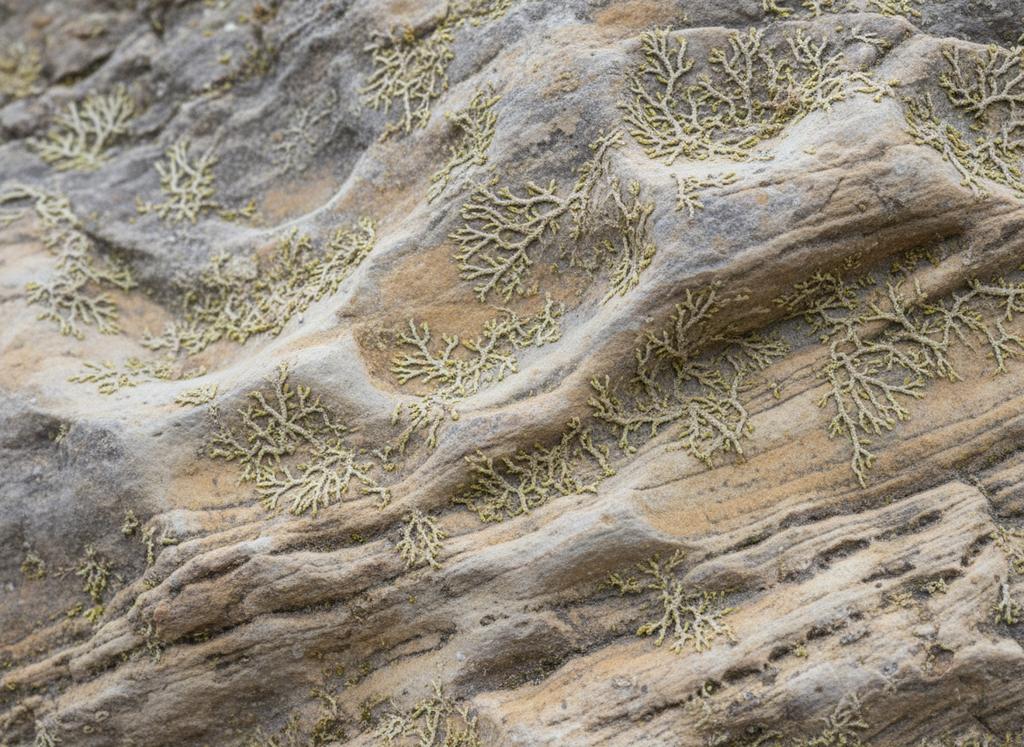
Our wheather is brutal on stone. Snow, salt, and repeated freezing push dirt deep into the pores. For cleaning, I always reach for a pH-neutral, non-ionic cleaner like D/2 Biological Solution. It’s specifically designed for biological growth—lichen, moss, algae—and it’s safe on marble, granite, limestone, and sandstone. Avoid harsh household chemicals and skip abrasive tools like wire brushes or steel wool—they scratch the surface and make stone more vulnerable. A soft nylon brush and water are your friends. I’ve used D/2 on dozens of stones in Milwaukee, from the oldest at St. John’s Cathedral cemetery to modern granite, and it never disappoints.
Step-by-Step Restoration for Typical Milwaukee Stones
Start with a gentle rinse using a garden hose—no pressure washer, as that can erode soft stone. Mix the D/2 according to the label, apply with a sprayer, and let it sit for 10 to 15 minutes. Then scrub lightly with a soft bristle brush, working from the bottom up to avoid streaks. Rinse thoroughly. For stubborn lichen, you can reapply and let it sit longer. In Milwaukee’s damp springs, I’ve seen D/2 lift decades of grime in one session. After cleaning, check for cracks or loose pieces—our freeze-thaw cycles cause flaking, especially in marble. If you find damage, consult a pro. Never use sealants or coatings; stone needs to breathe.

Local Resources and Regulations in Milwaukee
Before you start any restoration, check with the cemetery office. Many Milwaukee cemeteries, like the historic Forest Home Cemetery, have rules about cleaning and repairs. They may require approval or recommend specific contractors. I’ve worked with the folks at Milwaukee Monument Company for repairs, and they know the local stone. Also, keep an eye on weather: in Milwaukee, aim for a dry day above 50°F—spring or fall work best. Avoid cleaning in direct sunlight, as it dries the cleaner too fast. And always test a small hidden area first.
Frequently Asked Questions
Q: Can I use vinegar or baking soda to clean a marble headstone in Milwaukee?
A: No, please don’t. Even mild acids like vinegar can etch and dull marble permanently. Steer clear of strong acids or alkaline cleaners. Stick with a pH-neutral cleaner like D/2—it’s safe and effective for Milwaukee’s marble markers.
Q: How do I remove lichen from a granite stone at a cemetery like Washington Memorial Park?
A: Granite is durable, but lichen roots can still damage the surface. Use D/2 Biological Solution—it’s formulated to kill biological growth without harming the stone. Apply, let it sit, and scrub gently with a soft brush. Avoid pressure washing or scraping with metal tools.
Q: What’s the best time of year to do cemetery stone restoration in Milwaukee?
A: Late spring or early fall, when temperatures are between 50°F and 75°F and rain is less likely. Milwaukee’s winters are too cold, and summer heat can dry cleaners too fast. Also, avoid days with strong wind that might blow debris onto wet stone.
Q: Are there any Milwaukee-specific rules about cleaning headstones?
A: Yes, each cemetery has it's own rules. For example, Forest Home Cemetery requires you to get permission before any cleaning, and they restrict tools like wire brushes. Always ask the office first. Some smaller churchyards are more relaxed, but it’s best to be respectful.
Q: Can I fix a cracked marble stone myself?
A: I’d advise against it. Marble is fragile, and improper repairs can cause further damage, especially with Milwaukee’s freeze-thaw cycles. Contact a professional restorer like those at Milwaukee Monument Company—they have the right adhesives and experience for local stone.