Cemetery Stone Restoration in Omaha, NE: Marble, Granite & More
For local options, it's worth looking at Omaha, NE and Nebraska.
Headstone Cleaning in Omaha, NE | Nebraska Headstone Cleaners
I still remember the first time I walked through the old section of Rosehill Memorial Cemetary in Omaha, back in the spring of 2012. The air was thick with the scent of lilacs from the hedgerow along the south fence, and the morning sun was just starting to burn off the dew. I was there to assess a family plot that had been neglected for decades—a pair of marble headstones from the 1880s, both leaning precariously, covered in a thick crust of lichen and what looked like decades of road salt residue. As I knelt down and ran my fingers over the carved lettering, I could feel the stone flaking. That moment cemented my commitment to doing this work the right way, with patience and respect for both the materials and the memories they hold. Omaha’s cemeteries are full of stories like that, and with our intense freeze-thaw cycles and humid summers, the stones here need special care. Wether you’re dealing with a polished granite monument at Evergreen Hills or a soft limestone marker at St. Mary’s Pioneer Ground, the principles of restoration are the same: gentle, informed, and steady. Let me walk you through what works—and what absolutely doesn’t—for cemetery stone restoration in Omaha, NE.
Why Omaha’s Climate Demands Gentle Restoration Methods
Omaha sits right in the middle of a continental climate zone, which means we get the full spectrum: scorching summers with high humidity, bitter winters with repeated freezing and thawing, and plenty of spring storms that dump hail and rain. That freeze-thaw cycle is the number one enemy of historic headstones. Water seeps into microscopic cracks in marble or limestone, freezes, expands, and widens those cracks. Over time, the surface can delaminate—literally peel off in thin layers. That’s why I always tell folks in Omaha to avoid any kind of harsh cleaning method. Abrasive scrubbing or strong chemicals weaken the stone’s surface and accelerate this damage. Instead, I rely on a non-ionic, pH-neutral cleaner like D/2 Biological Solution, which gently lifts biological growth without attacking the stone. For granite, which is denser, you have a bit more leeway, but the same rule applies: if it’s not safe for a marble cherub, it’s not safe for your grandmother’s granite obelisk.
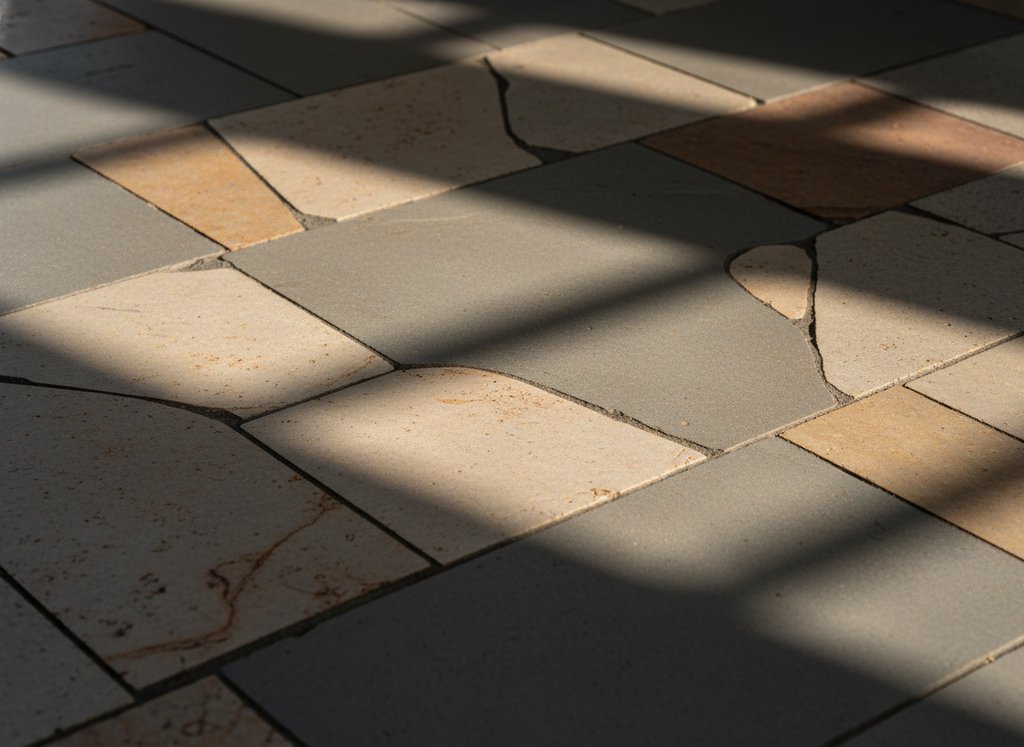
Identifying Your Stone Type: Marble, Granite, Limestone, and Sandstone
Before you do anything, figure out what you’re working with. In Omaha’s older cemeteries—like Oak Grove Memorial Park or the historic section of Holy Sepulchre—you’ll find alot of marble and limestone from the late 1800s. Marble is soft, reacts to acids, and often shows a sugary, grainy texture when it starts to deteriorate. Granite is much harder, usually gray or pink, and takes a polish well. Sandstone and limestone are porous and crumble easily. A simple test: put a drop of water on an inconspicuous spot. If it beads up, it’s likely granite or polished marble. If it soaks in quickly, it’s limestone or sandstone. That matters because the treatment is different. For porous stones, you need to be extra cautious with moisture—never soak them, and never seal them. Sealing traps moisture inside and causes spalling. If you’re unsure, call a local expert. I’ve seen too many well-intentioned family members accidentally damage a stone by using a cleaner meant for granite on a limestone marker.
Step-by-Step: How I Clean a Historic Headstone in Omaha
Here’s the process I use for most cemetery stone restoration in Omaha. First, I do a dry assessment—photograph the stone from all angles, note any cracks or loose pieces, and check for biological growth like moss, lichen, or algae. Then I wet the stone with distilled water (Omaha tap water has minerals that can leave stains). I apply D/2 Biological Solution with a soft sprayer, let it dwell for 10–15 minutes, and then gently agitate with a soft nylon brush—never wire or stiff bristles. For stubborn lichen on granite, I might use a plastic scraper, but on marble or limestone, I just repeat the D/2 application. I rinse with low-pressure water from a garden sprayer—no pressure washer. After cleaning, I let the stone dry completely for 24–48 hours, then apply a second treatment if needed. I never use sealers, waxes, or coatings. The goal is to remove the biological growth without altering the stone’s natural porosity or color. This method works beautifully on the limestone markers at Fairview Cemetery, which are often covered in black algae from the shade of the old oaks there.

Common Mistakes to Avoid in Omaha’s Cemeteries
I’ve seen a lot of well-meaning mistakes over the years. One of the most common is using harsh household chemicals to try to remove stains. Those chemicals can react with the minerals in marble or limestone, leaving permanent white spots or etching the surface. Another is using abrasive tools like wire brushes or steel wool, which scratch the stone and create new pathways for water and ice. In Omaha, where we get so many freeze-thaw cycles, those scratches become cracks within a few winters. I also strongly advise against pressure washing. Even on granite, the high pressure can blast away loose material and drive water deep into the stone, causing hidden damage. And please—never use a sealer or coating. I’ve had to undo the damage from a homeowner who applied a concrete sealer to a sandstone marker in the 1990s; it trapped moisture and the entire face spalled off. The best approach is patience: clean gently, let the stone breathe, and accept that some stains are part of the stone’s history.
When to Call a Professional in Omaha
Not every restoration is a DIY project. If the stone is structurally unstable—leaning, cracked, or with loose fragments—you need a professional who knows how to reset or repair it safely. In Omaha, I often work with families who discover a broken obelisk or a toppled cross at places like Resthaven Memory Gardens or the historic Bohemian Cemetery. Reattaching pieces requires specialized adhesives and techniques, not just epoxy from the hardware store. Also, if the stone has been painted or coated, removing that layer without damaging the surface is tricky. And if the carving is intricate—like a hand-carved rose or a detailed inscription—let someone with experience handle it. I always offer free consultations for families in the Omaha area, because I’d rather give advice than see a stone ruined by good intentions. Remember, restoration is about preservation, not perfection. The goal is to stabilize and clean the stone so it can last another hundred years.

Frequently Asked Questions
Q: Can I use vinegar to clean my grandmother’s marble headstone at Forest Lawn Memorial Park in Omaha?
A: No, never. Vinegar is an acid, and it will etch and permanently dull marble, limestone, and sandstone. Even diluted, it reacts with the calcium carbonate in these stones and eats away the surface. Stick with a pH-neutral, non-ionic cleaner like D/2 Biological Solution, which is safe for all stone types and won’t cause damage.
Q: Is it safe to power wash a granite monument at Evergreen Hills Cemetery?
A: I strongly advise against it. Even on dense granite, pressure washers can force water into microcracks and push biological growth deeper into the stone. In Omaha’s freeze-thaw climate, that water will expand and crack the stone. A gentle rinse with a garden sprayer is all you need after applying a biological cleaner.
Q: What should I do about the black spots and green algae on my family’s limestone marker in the old section of Holy Sepulchre?
A: That’s likely a combination of lichen and algae. Use a soft nylon brush and a non-ionic cleaner like D/2. Wet the stone, apply the cleaner, let it sit for 10–15 minutes, then gently scrub. Rinse with low-pressure water. For stubborn spots, repeat the process after a few days. Never use bleach or anything with chlorine—it will damage the limestone and harm nearby plants and soil.
Q: Can I seal a sandstone headstone to protect it from Omaha’s winter wheather?
A: No, please don’t. Sealers trap moisture inside porous stones like sandstone and limestone. When that moisture freezes, it causes the stone to spall—flaking off the surface. Sandstone needs to breathe. The best protection is keeping it clean and ensuring it’s properly set so water drains away from the base, not into it.
Q: How often should I clean my family’s headstone at Rosehill Memorial Cemetery?
A: For most stones, once a year in late spring is ideal. That’s after the main freeze-thaw cycle and before the heavy algae growth of summer. Use only gentle methods. Over-cleaning can wear down the surface, especially on older marble. If you want to keep it looking good between cleanings, a soft brush and water are fine—no soap or chemicals needed.