How Our Little Church Organized Its First Cemetery Cleanup Day
headstone cleaning in Texas | headstone cleaning in New York
Last spring, our church council decided we needed to do something about the old graveyard out back. I’ve been a stonemason for 20 years, so they looked at me like I had all the answers. I didn’t. The first thing I saw was a volunteer scrubbing a 150-year-old marble headstone with a stiff wire brush and a bucket of something that smelled like a swimming pool. I yelled so loud the pastor came running. That poor stone had already lost it's inscription in places—took me three hours with a poultice to undo the damage. Never again.
That day taught me something: good intentions aren’t enough. You need a real plan, the right tools, and a checklist that keeps people from doing more harm than good. So I sat down with the church ladies and we hammered out a system. It worked. We cleaned 47 stones in one Saturday, didn’t ruin a single one, and even had time for sandwiches. Here’s what we did, step by step. If your church is thinking about a cleanup day, you’re going to want this.
Step 1: Get Permission and Set a Date Early
First thing: talk to whoever owns the cemetary. For us, it was the church board. Some cemeteries have rules about what you can do, especially if there are old plots. We got written approval and a date on the calendar six weeks out. That gave us time to recruit volunteers and order supplies. Pro tip: do it on a Saturday in late spring or early fall. Not too hot, not too cold. And check the wheather forecast—windy days make dust fly into your eyes, and rain ruins a whole day of work.
Step 2: Assemble Your Team—But Keep It Small
Big mistake we almost made: inviting everyone. You don’t want forty people wandering around with scrub brushes. I asked for ten volunteers, max. We ended up with eight. That was perfect. Assign roles: two people on grass and weed trimming (hand clippers only—no weed whackers near stones), three on gentle cleaning, two on trash pickup and path sweeping, and one person (me) checking for loose or broken stones. One person should also be the "no-no" watcher—the one who stops anyone from using harsh household cleaners or abrasive tools. That was my wife, Carol. She’s scary when she needs to be.
Step 3: Gather the Right Supplies (And Nothing Else)
Here’s what we put in our church cemetery cleanup day checklist: soft-bristle brushes (natural fiber or nylon—I use a horsehair brush I got from a masonry supplier), plastic scrapers (for lichen—never metal), buckets for water, and a pH-neutral, non-ionic cleaner like D/2 Biological Solution. We bought two gallons of D/2—cost about $80 total, but it lasted for all 47 stones. Also: spray bottles, microfiber cloths, garden hoses with a gentle spray nozzle, and shade tents if it’s sunny. What we left at home: bleach, vinegar, ammonia, wire brushes, steel wool, pressure washers, and any acid-based cleaner. I tell everyone: if it says “acid” on the label, it stays in your garage. Period.
Step 4: The Actual Cleaning—Slow and Gentle Wins
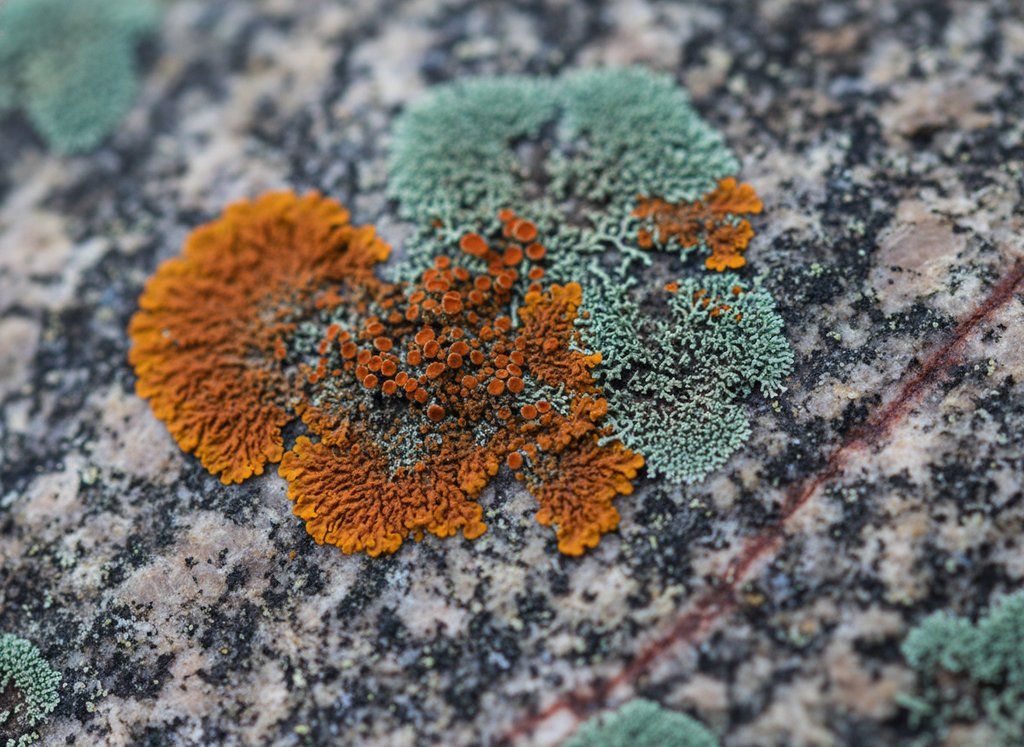
We started with the oldest stones first. Those are usually marble or sandstone, and they’re fragile. Here’s the method: wet the stone with plain water first. Then mix D/2 with water per the label (about 1:4 ratio for most stones). Spray it on, let it sit for five minutes—no longer—then scrub gently with a soft brush in circles. Rinse with a low-pressure hose. If there’s lichen or moss, use a plastic scraper to lift it off, not a metal one. I had one volunteer who wanted to “really scrub” a stubborn spot. I told her: "If you can hear the bristles scraping, you’re pushing too hard." Took her a few tries. She got it. For really dirty stones, we did two passes, but never let the cleaner dry on the stone. That’s how you get white stains that never come out.
Step 5: Document and Celebrate—Don’t Forget This Part
Before we started, I had someone take photos of each stone. Not for social media—for records. Some families might not know their ancestors’ stones are still there. We also wrote down any damage we saw: cracks, flaking, illegible writing. That info goes to the church historian. After the cleanup, we laid out a simple lunch—sandwiches and lemonade—and thanked everyone. A few people from the congregation came by to see the resultes. One old man cried when he saw his grandmother’s stone clean for the first time in 40 years. That’s why you do this. Not for the photos. For the moments.
Frequently Asked Questions
Q: How long before the cleanup day should we send out the checklist to volunteers?
A: Send it at least two weeks ahead. That gives people time to ask questions and gather supplies if they’re bringing their own. We sent ours three weeks out, and a few volunteers bought the wrong kind of brush. I ended up lending them mine. So if you can, buy all supplies together as a group—it’s cheaper and you avoid mix-ups.
Q: What if we find a headstone that’s already falling apart? Should we try to clean it?
A: No. If a stone is cracked, flaking, or has chunks missing, don’t touch it. Cleaning can make it worse. Mark it with a flag or a note, and call a professional stonemason (like me) to assess it. Sometimes we can glue pieces back or stabilize the stone, but that’s not a volunteer job. Better to leave it alone than to have half the stone crumble in your hands.
Q: Can we use a pressure washer on granite headstones? I’ve seen people do it.
A: I’ve seen it too. Doesn’t mean it’s smart. Even granite—which is hard—can get microfractures from high pressure, especially if the stone is old or has any hidden cracks. Plus, pressure washers blast water into the stone’s pores and can push dirt deeper in. Stick with a garden hose and a gentle spray. It takes a little longer, but it’s safer. Trust me, I’ve fixed stones that were pressure-washed into rubble.
Q: What’s the best way to remove lichen from a headstone without damaging it?
A: Lichen is stubborn. D/2 Biological Solution is good because it’s designed to kill biological growth without harming stone. Spray it on, wait five minutes, then scrape gently with a plastic putty knife. If the lichen is really thick, you might need to do a second application. Never use a wire brush or a metal scraper—they’ll scratch the stone. Also, don’t try to peel off dry lichen; wet it first so it softens up.
Q: How do we handle volunteer safety during the cleanup?
A: Good question. Have everyone wear gloves—latex or gardening gloves are fine. Safety glasses too, because cleaning solution can splash. Sunscreen and hats if it’s sunny. And make sure someone has a first-aid kit. We also had a rule: no one works alone. Two people per stone, in case someone trips or gets a splinter from an old wooden marker. Also, keep water bottles handy—dehydration is sneaky.