Cleaning an Abandoned Cemetery: How I Did It the Right Way
headstone cleanning in New York | headstone cleaning in Florida
I remember the first time I walked into St. Mary’s over on Maple Road. The gate was half off it's hinges, and poison ivy had basically taken over the front row of graves. My boots sunk into mud that smelled like a thousand years of rot. It was a mess. But what really got me was a little marble headstone for a girl named Clara, dated 1887 — covered in black lichen so thick you couldn’t even read her name. I knelt down, and I swear I felt like I was disturbing something sacred just by breathing on it.
That day, I made a lot of mistakes. Took me three tries to get a method that didn’t damage the stone or get me arrested. Seriously. The first time I tried cleaning an abandoned cemetary, I almost ended up with a trespassing charge and a ruined 200-year-old slate marker. So let me save you the trouble. If you’re thinking about cleaning an abandoned cemetery legally — and doing it right — here’s exactly how I figured it out, the hard way.
Step 1: Get Permission Before You Touch a Single Stone
I cannot stress this enough. You might see a cemetery that looks totally forgotten — no fence, no sign, grass up to your waist — but someone still owns it. Could be a church, a town historical society, a county government, or even a private family trust. I once spent two weeks tracking down the owner of a tiny plot behind a gas station. Turns out it was owned by a woman living in Florida who hadn’t visited in thirty years. She was thrilled someone cared, but if I’d just started scrubbing without her okay, she could’ve pressed charges.
Here’s what I do: start at the county clerk’s office or the local historical society. Ask about abandoned cemetery ownership records. If it’s on church land, talk to the church office. For publicly owned cemeteries, contact the parks or public works department. Get written permission — even a simple email is better than nothing. And if there’s a cemetery association or a group of descendants, loop them in. It’s their history too. This whole step takes time, but it’s the only way to clean an abandoned cemetery legally.
Step 2: Assess the Damage — Slow Down
Once you’ve got the green light, don’t rush in with a bucket and a brush. Walk the whole site first. I bring a notebook and a cheap camera (my phone works fine) and I catalog every headstone. I note the material — marble, granite, sandstone, slate, limestone, or concrete. Each one needs different care. I also look for cracks, loose pieces, sinking stones, or signs of recent vandalism. If a stone’s already split in half, scrubbing it could make it fall apart.
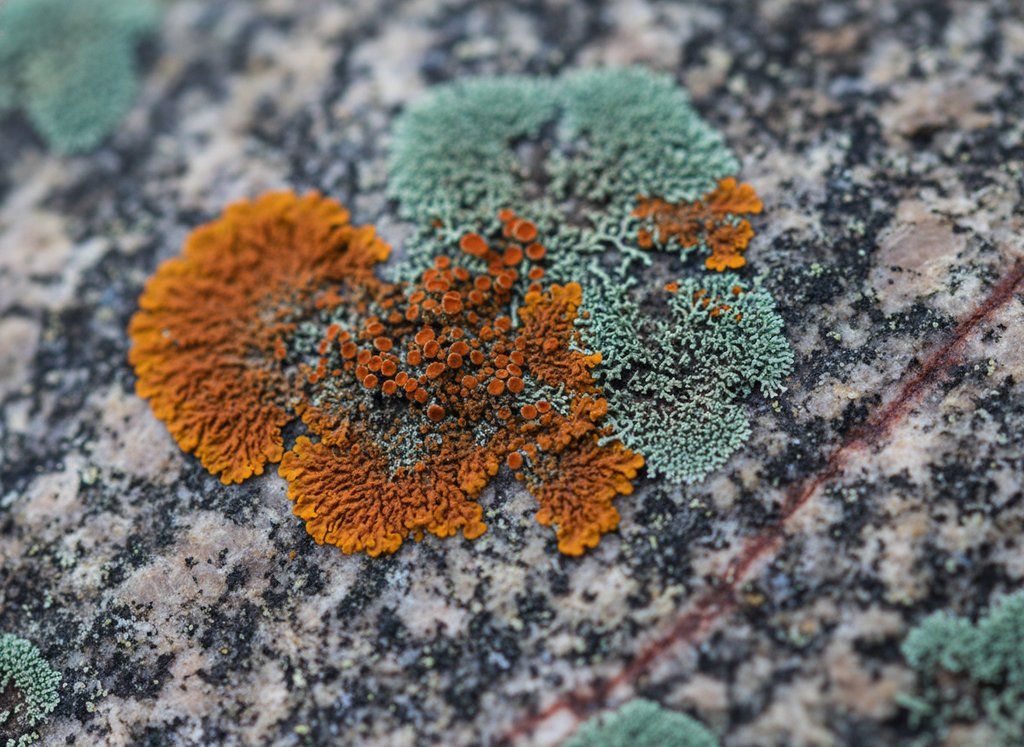
Biggest thing: figure out what’s growing on the stone. Lichen, moss, algae, and black mildew are common. Lichen is the toughest — it puts down roots into the stone’s pores. You can’t just scrape it off. Trust me, I tried on Clara’s stone with a plastic scraper and ended up scratching the surface. Never again. You need a biological cleaner that kills the growth without eating the stone. I use D/2 Biological Solution — it’s pH-neutral, non-ionic, and it’s the only thing I’ve found that actually works on lichen without destroying the stone. It’s not cheap, but neither is replacing a historic marker.
Step 3: The Actual Cleaning — Slow and Gentle
Okay, here’s the routine I settled on after years of trial and error. First, I wet the stone with plain water — just a spray bottle or a gentle hose with a mist setting. No pressure washer. Ever. I’ve seen pressure washers blast the face off a sandstone headstone in seconds. It’s horrifying. Then I apply D/2 with a pump sprayer, covering the whole stone evenly. Let it sit for ten to fifteen minutes. You’ll see the lichen and moss start to bubble and loosen. That’s the biological enzymes working.
Next, I use a soft nylon brush — the kind you’d use on a car’s paint, not a wire brush or a metal scraper. I scrub gently in circles, focusing on the worst spots. Rinse with water. If the stone’s still dirty, I repeat. Sometimes it takes three or four applications over a week to get old lichen off. Patience is everything. For delicate marble or soft limestone, I skip the brush entirely and just use a soft sponge. And never, ever use harsh household chemicals like bleach or strong acids — they react with the stone and cause permanent pitting and discoloration. Stick with the biological stuff. It’s slower, but it’s safe.
Step 4: Record Your Work and Maintain the Site
After I clean a stone, I take a new photo. I log what I did — what cleaner, how many applications, any problems I noticed. This helps the next person who might care for the site. I also clean up debris around the grave: fallen branches, old flower pots, broken glass. But I don’t remove anything that looks intentionally placed, like a faded plastic wreath or a handmade cross. That’s someone’s memorial, even if it’s old.
For long-term care, I set up a simple schedule: come back every six months to reapply D/2 on stones that are growing new moss. I also report any major damage to the owner or historical society. One time I found a marble stone that had been knocked over by a fallen tree. I didn’t try to reset it myself — that’s a job for a professional conservator. But I flagged it, and the town eventually fixed it. That’s the goal: leave the place better than you found it, without making things worse.
Frequently Asked Questions
Q: Do I need a permit to clean an abandoned cemetery in India?
A: It depends on the state and who owns the land. In many places, you need written permission from the landowner or the local municipal authority. If the cemetery is listed as a heritage site, you might also need approval from the Archaeological Survey of India or a state heritage board. Always check with the local district collector’s office or the nearest historical society before starting. Cleaning an abandoned cemetery legally means getting that paper first.
Q: Can I use a pressure washer on old headstones?
A: No. Pressure washers are way too aggressive for historic stone — even on low settings. They can erode the surface, blast away carved lettering, and force water into cracks that then freeze and expand in winter. I’ve seen it ruin stones that had survived for 150 years. Stick with a garden hose on a gentle mist setting or a pump sprayer. Your stones will thank you.
Q: What’s the best cleaner for removing lichen from marble?
A: For marble, you absolutely must use a pH-neutral, non-ionic biological cleaner like D/2 Biological Solution. Marble is soft and porous — it reacts badly to acids or alkaline cleaners. Bleach or ammonia will eat into the stone and leave permanent white blotches or yellow stains. D/2 kills the lichen at the root and rinses away clean. I’ve used it on dozens of marble stones with zero damage.
Q: How do I clean a headstone that’s covered in black mold?
A: Black mold on stone is usually a type of algae or fungus. The same D/2 solution works well for that too. Apply it, let it sit for 10 minutes, then gently scrub with a soft nylon brush. Rinse thoroughly. If the mold is really thick, you might need two or three applications over a few days. Don’t use bleach — it kills the mold on the surface but doesn’t penetrate, so it comes right back, and it damages the stone.
Q: Is it legal to clean a cemetery that has unmarked graves?
A: Yes, but you need to be extra carefull. Unmarked graves might not have headstones, but the ground is still sacred. You should of not dig, disturb the soil, or remove anything that might be a grave marker (like fieldstones or wooden crosses). Get permission from the landowner first, and if possible, consult a local historian or archaeologist to identify the boundaries. Cleaning an abandoned cemetery legally means respecting every grave, even the ones you can’t see.