
Cleaning a Marble Headstone That Was Already Sealed or Coated
headstone cleanning in California | headstone cleaning in Texas
I still remember the first time I messed this up, it was a gray October morning, and I was standing in front of a beautifull white marble stone for a woman named Eleanor. Her daughter had told me the stone was sealed about five years ago—some guy came by with a spray bottle and a promise. I figured, hey, sealed means protected, right? So I gave it a gentle scrub with a soft brush and some water. Big mistake. The sealant had started peeling in a few spots, and my scrubbing lifted a whole patch of it. Took me three tries with a specialty stripper and alot of apologizing to get it looking decent again. Never again.
Here’s the thing: marble is porous. Even when it’s sealed, that coating is a barrier—but it’s not armor. And if you don’t know what that coating is, you can wreck the stone in minutes. I’ve seen people use everything from dish soap to vinegar on sealed marble, thinking it’s safe because the sealant will protect it. But those products break down the sealant unevenly, leaving a blotchy mess that’s worse than the original dirt. So let’s talk about how to clean a sealed marble headstone the right way, without destroying the coating or the stone underneath.
First, Figure Out What You’re Dealing With
Before you touch that stone, you need to know if it’s actually sealed. Some marble has a factory-applied sealant that’s invisible. Some have a wax coating you can feel with your fingernail. Others might have a penetrating sealer that soaks in and leaves no surface film. How do you tell? Do a water test. Splash a few drops on an inconspicuous area—like the back of the base. If the water beads up and sits on top, you’ve got a surface sealant. If it soaks in and darkens the stone after a few minutes, it’s either unsealed or has a penetrating sealer. Write that down. I keep a little notebook in my truck for exactly this.
If the stone has a wax coating, you might feel a slight tackiness or see a dull white haze when it’s cold. Wax coatings are common on older memorials, especially from the 1990s. They’re also the most finicky. One family I worked with had a wax-coated marble stone that looked like a melted candle—someone had tried to pressure wash it. Never use a pressure washer on marble, sealed or not. The force blows water under the sealant and pops it off in chips. I’ve seen it happen. It’s heartbreaking.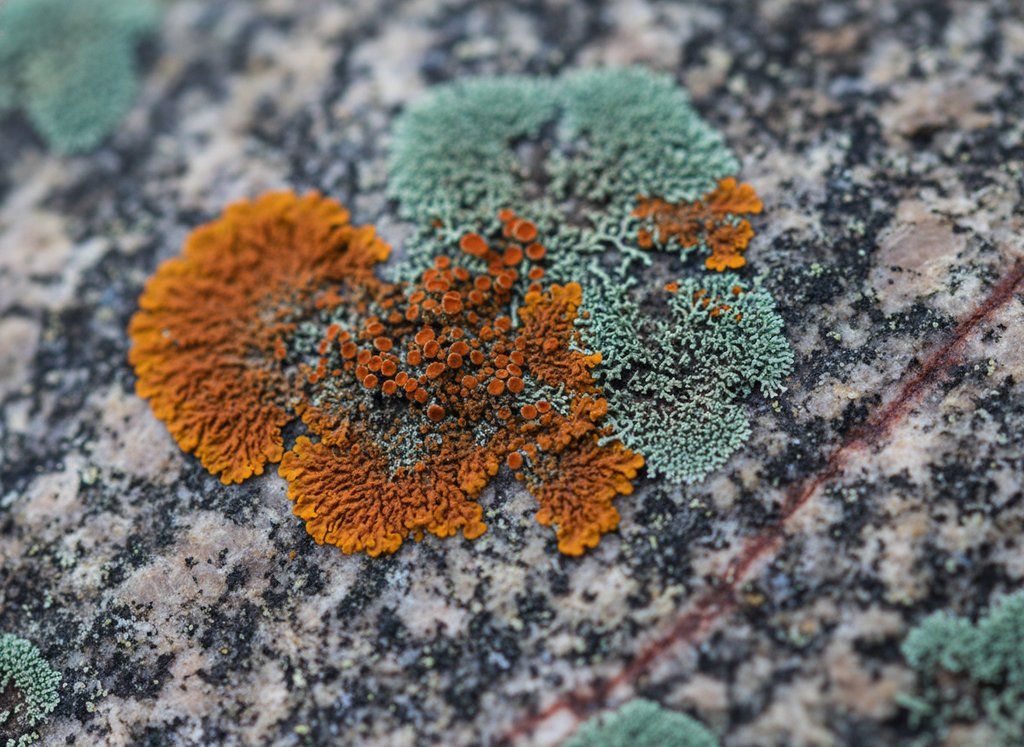
Gather the Right Tools and Cleaners
You can’t just grab any cleaner off the shelf. Bleach, ammonia, vinegar, and anything with citrus oil will eat through sealants. Trust me, I learned the hard way with a lemon-scented cleaner that left a permanent whitish stain on a sealed black marble stone. Stick with a pH-neutral, non-ionic cleaner. My go-to is D/2 Biological Solution—it’s a biological cleaner that eats organic growth without damaging sealants or stone. It’s what I use on 90% of my jobs. You can buy it online or at some cemetary supply stores. A gallon costs about $40 and lasts me a dozen stones.
For tools: a soft nylon brush (like a dish brush with natural bristles), a bucket of distilled water (tap water can leave mineral spots on sealed marble), and microfiber cloths. Avoid anything abrasive: steel wool, wire brushes, scouring pads. Those scratch the sealant and create channels for dirt to get stuck in. I also carry a plastic putty knife for scraping off loose sealant flakes, but I use it at a low angle and never dig in.
The Cleaning Process: Gentle and Slow
Start by wetting the stone with distilled water from a spray bottle. Don’t soak it—just mist it. Then mix a small amount of D/2 with water according to the label (usually 1 part cleaner to 5 parts water). Apply it with your brush in a circular motion, working from the bottom up. I do this because gravity pulls dirty water down, and if you start at the top, you’re just smearing grime over clean areas. Let the cleaner sit for five minutes—set a timer. I’ve gotten distracted and let it dry, and then you’re scrubbing dried residue, which is a pain.
After five minutes, scrub gently. I mean gently. You’re not trying to remove the sealant, you’re just loosening surface dirt and biological growth. Rinse with a gentle spray of distilled water. If the sealant is intact, the water should still bead up. If it doesn’t, or if you see cloudy spots forming, stop. That means the sealant is failing, and you need to strip and reseal the whole stone. I had a client whose stone had a patchy sealant from a cheap DIY job—it looked like a map of islands. We ended up having to strip it all off with a solvent-based remover (Safe Strip is a good one) and start fresh. That’s a whole other blog post.
When to Call a Professional (and When to Walk Away)
This is the part nobody likes to hear. If the sealant is peeling, bubbling, or yellowed, cleaning alone won’t fix it. You need to strip the old coating and reapply a new one. And stripping marble is tricky—use the wrong solvent and you can etch the stone. I’ve had to turn down jobs where the sealant was so degraded that any cleaning would make it worse. One time, a family insisted I just “clean it a little” on a stone with a failing wax coating. I did a test patch in the corner, and the wax came off in flakes, leaving a dull spot. They were upset, but I had to explain that I couldn’t make it look good without a full refinish. I ended up referring them to a monument company that does resealing.
If you’re not sure, do a small test in a hidden spot. Wait for it to dry completely (24 hours). If the area looks even, you’re fine. If it looks splotchy or lighter than the rest, stop and call a pro. Sealed marble is not a DIY project you want to learn on your grandmother’s headstone. Save yourself the guilt and the cost of repair.
Frequently Asked Questions
Q: Can I use a pressure washer on a sealed marble headstone?
A: No. Never. Pressure washers force water under the sealant, causing it to lift and peel. They can also chip the marble itself. Stick to a soft brush and gentle spray.
Q: My sealed marble headstone has black spots that won’t come off with D/2. What are they?
A: Those are probably biological growth like lichen or moss that has rooted into micro-cracks in the sealant. You might need a specialized biocide that’s safe for marble, like a quaternary ammonium cleaner. Apply it, let it sit for 10-15 minutes, then scrub gently. If that doesn’t work, the sealant may need to be stripped and reapplied.
Q: How often should I clean a sealed marble headstone?
A: Once a year is plenty, unless you live in a very humid or mossy area. Over-cleaning wears down the sealant. I tell families to do a gentle rinse with water in the spring and a proper cleaning every 12-18 months.
Q: The sealant on my marble headstone looks cloudy. Can I buff it out?
A: Probably not. Cloudiness usually means the sealant has absorbed moisture or is breaking down chemically. Buffing can make it worse by spreading the damage. You’ll likely need to strip the old sealant and apply a new one. Try a test patch with a microfiber cloth and a little distilled water first—if the cloudiness doesn’t improve, call a pro.
Q: Is it safe to use a magic eraser on sealed marble?
A: Please don’t. Magic erasers are abrasive—they work by micro-sanding the surface. On sealed marble, they’ll scratch the coating and leave a dull finish. I’ve seen it ruin a headstone’s polished look. Stick with a soft brush and a pH-neutral cleaner.