Cleaning My Twin Sister's Half of Our Shared Headstone on Our Birthday
headstone cleanning in Florida | headstone cleaning in Pennsylvania
My twin sister Claire and I were born on a scorching July morning 52 years ago. We shared a room, shared clothes, shared everything. When she passed five years ago from ovarian cancer, I had a companion headstone made for us — a big, flat granite slab with two spaces, side by side. Mine's empty, waiting. Hers has her name, dates, and a little carving of a hummingbird she loved. Last week, on our birthday, I decided to clean only her half. It felt right. It felt like giving her a gift.
You'd think cleaning half a headstone would be simple. Not exactly. The line where clean stone meets dirty stone is brutal. You see every year of neglect. And I wanted to get it right — no damage, no chemicals that'd eat the granite. So I researched, messed up a few times, and figured out a method that works. Let me walk you through it.
Before You Start: Know Your Stone
First thing I did was check what kind of stone we're dealing with. Most companion headstones are granite, like ours. It's tough, non-porous, can handle more than marble or limestone. But even granite has limits. I tapped the stone with my knuckle — solid, no crumbling. If your stone is marble, sandstone, or limestone, you have to be extra carefull. Those are soft, acidic stuff eats them. Granite can take a gentle scrub, but still: no harsh household chemicals, no bleach, no strong acids or alkaline cleaners. I used D/2 Biological Solution — it's pH-neutral, non-ionic, and made for headstones. You can buy it online or at some monument shops. Cost me $25 for a quart, and I only used a cup.
Gather Your Tools: What I Used and Why
I kept it simple. Here's my list:
- D/2 Biological Solution (the only cleaner I trust)
- A soft nylon brush (like a dish brush, but dedicated to stone — got mine at a hardware store for $8)
- A spray bottle (filled with distilled water, because tap water can leave mineral spots)
- A bucket of distilled water for rinsing
- A plastic scraper (for lichen or moss — I had some)
- Microfiber cloths (two, one for wiping, one for drying)
- A soft-bristle toothbrush (for the carved letters)
- Latex gloves (the D/2 can dry your skin)
I didn't use a pressure washer. Too risky — even on granite, it can blast water into unseen cracks. And I skipped wire brushes, steel wool, anything abrasive. They scratch the polish, make the stone look dull. Big mistake if you try that. I know someone who used a wire brush on her grandmother's marble headstone. Ruined the surface. Never again.
The Step-by-Step: Cleaning Just One Side
Here's how I did it, working only on Claire's half. Took me about two hours, but I'm slow and careful.
- Wet the stone. I sprayed her half with distilled water to loosen any loose dirt. Let it sit for five minutes.
- Apply D/2. I sprayed the D/2 directly onto the stone, covering the whole half. The instructions say to let it dwell for 5-10 minutes. I waited 10 because her side had some greenish algae near the base.
- Scrub gently. Using the soft nylon brush, I worked in circular motions. The lichen came off easily with the plastic scraper — I just slid it under the edges. For the hummingbird carving, I used the toothbrush. Go slow. Don't press hard.
- Rinse thoroughly. I poured distilled water from the bucket over her half, catching the runoff with a microfiber cloth so it didn't run onto my dirty half. Rinsed three times until no suds remained.
- Dry. Pat dry with a clean microfiber cloth. Let air dry for 15 minutes.
The line between the two halves was stark — her side looked like new, mine looked like it'd been in a coal mine. But that was the whole point. She deserved a clean birthday.
Troubleshooting: When Things Go Wrong
Not everything went perfectly. First, I tried using a generic stone cleaner I found at the grocery store. It left a white film. Had to scrub it off with more D/2. Stick with the biological stuff — it's made for this.
Second, I spilled some cleaner on my half. It dried and left a faint streak. I just left it. Not a big deal — my half will get cleaned when it's my time. But if you're cleaning both sides, work from bottom to top so drips don't stain clean stone.
Third, the toothbrush slipped and scratched the hummingbird's wing. Barely visible, but it made me cringe. Next time I'll use a makeup brush — softer bristles. Lesson learned.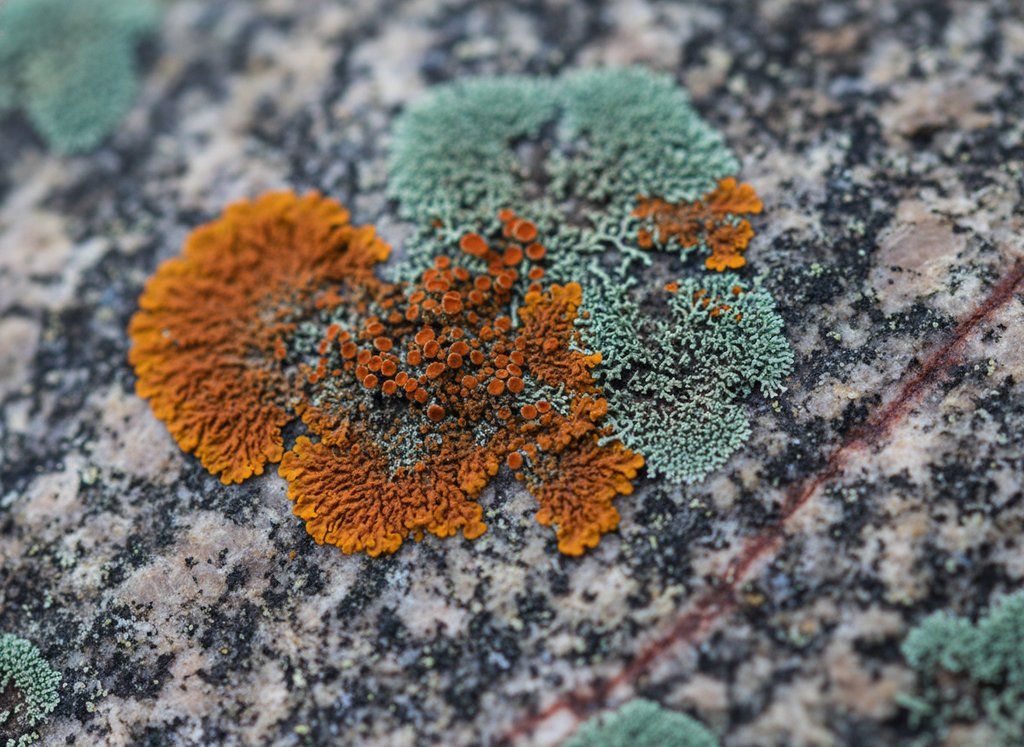
Frequently Asked Questions
Q: Can I clean just one side of a companion headstone without damaging the other side?
A: Yes, if you're careful. Tape off the boundary with painter's tape to prevent cleaner from running onto the uncleaned half. Work from the center out, and rinse thoroughly so no residue crosses the line. I didn't use tape and got a few drips — it's fine, but tape would've been smarter.
Q: How often should I clean a companion headstone?
A: Once a year is enough, unless you get alot of moss or algae. I'll do Claire's half every July on our birthday. For most stone, annual cleaning with a non-ionic cleaner like D/2 keeps it looking good. More than that and you risk wear from scrubbing.
Q: What if my headstone has lichen or deep stains?
A: Lichen comes off with a plastic scraper after the cleaner softens it. For deep stains on granite, you might need a poultice — mix baking soda with distilled water into a paste, apply, cover with plastic wrap, let sit 24 hours, then rinse. But test on a small spot first. And never use bleach or acid — they'll etch the stone.
Q: Is it okay to use a pressure washer on a companion headstone?
A: No, I wouldn't risk it. Pressure washers can force water into cracks, loosen the base, or damage the polished surface — even on granite. Stick to hand cleaning with a soft brush. It's slower but safe.
Q: Can I seal the headstone after cleaning to prevent future dirt?
A: Most monument makers recommend against sealing granite or marble. Sealers can trap moisture, causing freeze-thaw damage in winter. The best protection is regular gentle cleaning with a pH-neutral product. Let the stone breathe.