The Ethics of Over-Cleaning: When 'Too Clean' Does Damage
headstone cleaning in Florida | headstone cleaning in Pennsylvania
I found my great-great-grandmother's headstone completely overgrown last spring. It was in an old cemetary outside of Albany, New York, where the grass had grown up around it like a green fortress. Took me three tries to even find it. When I finally cleared away the weeds and mud, I saw her name — Eliza Mariah Stokes — and I cried right there on the damp ground. But here's the thing: I almost ruined it. I had brought a wire brush and a bottle of household cleaner, thinking I'd make it look brand new. Thank God I stopped myself. My cousin, who restores old buildings for a living, had drilled into my head years ago: 'Never scrub old stone like it's your kitchen counter.' So instead of scrubbing, I sat there and just touched the letters, feeling the lichen and the wheather-worn edges. That moment changed how I think about cleaning. It's not about making the stone look new. It's about letting it stay old, but readable. And that's a different thing entirely. So let's talk about the ethics of over-cleaning — because 'too clean' can do real damage, and I've seen it happen.
Why 'Too Clean' Is a Problem
We've all seen those headstones that look like they've been pressure-washed and bleached. They're blindingly white. Almost fake. And you know what? That stone is dying. Marble, limestone, and sandstone are soft and porous. When you blast them with high-pressure water or douse them in harsh household chemicals, you're not cleaning — you're eroding. You're dissolving the outer layer that holds the carving. I've seen names that were perfectly legible in 1880 become ghostly smudges after one aggressive cleaning. Big mistake. The ethics here are simple: we're caretakers, not restorers. Our job is to remove biological growth and dirt, not to strip the stone back to it's original surface. That surface is gone. It's been weathered for a hundred years. Trying to get it 'clean' means you're removing history, literally grain by grain.
What Actually Works (And What Doesn't)
Let me be blunt: skip abrasive tools. No wire brushes, no steel wool, no stiff nylon scrubbers. They scratch the stone, and those scratches trap more dirt and moisture later. Also, steer clear of strong acids or alkaline cleaners — they react with the minerals in the stone and cause permanent discoloration or crumbling. What does work? A pH-neutral, non-ionic cleaner like D/2 Biological Solution. It's what I use now. You spray it on, let it sit for 10–15 minutes, then gently rinse with low-pressure water from a spray bottle or a garden hose without a nozzle. That's it. For stubborn lichen, you can use a soft-bristle brush (like a natural horsehair brush) with the D/2. But go easy. You're not scrubbing a stain out of a shirt. You're coaxing old stone to breathe again. I also keep a bucket of distilled water and a soft cloth for final rinsing, because tap water can leave mineral deposits. Took me three tries to get my technique right. Worth it.
The 'Less Is More' Rule for Biological Growth
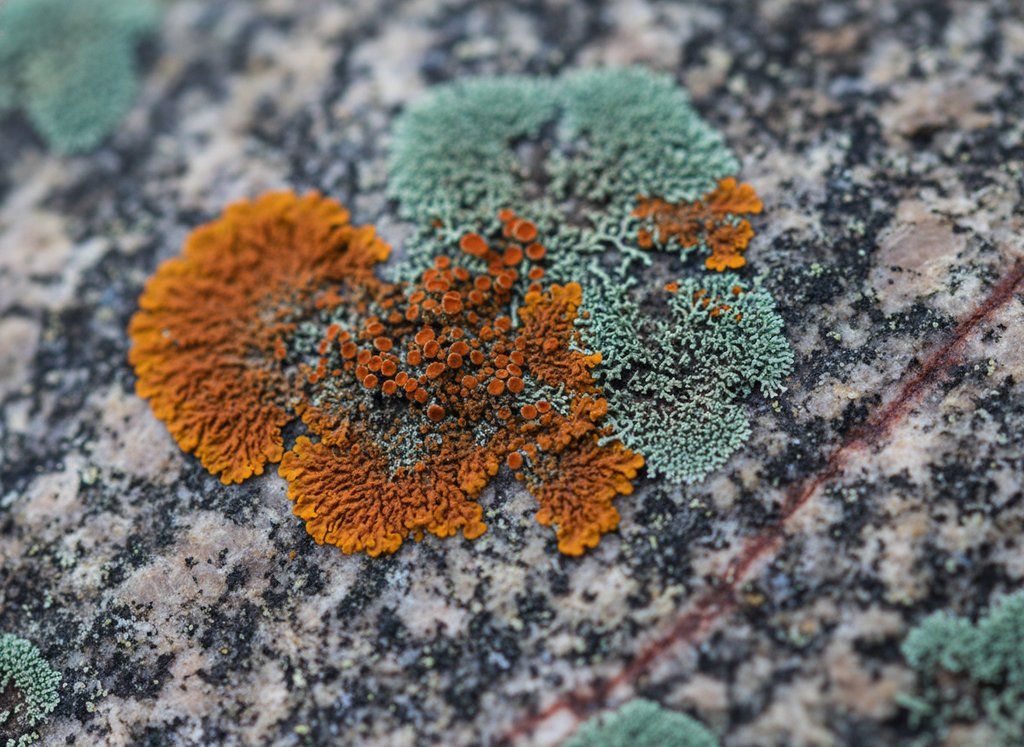
Moss and lichen look romantic, right? They make a cemetery feel ancient and peaceful. But they also hold moisture against the stone, which causes freeze-thaw damage in winter. So you do want to remove them. But slowly. Gently. I had one headstone where the lichen was so thick I couldn't read the date. I sprayed D/2 on it three times over two weeks, letting it dry between applications. The lichen turned brown and flaked off on its own. I barely touched it. That's the goal — let the cleaner do the work, not your elbow grease. If you scrape or chip at it, you'll take stone with it. And here's a rule I made up: if you can't read the name after a gentle cleaning, leave it alone. Better to have a visible name with some moss than a clean, blank slab. My great-great-grandmother's stone still has a little green on the bottom. I left it. It's her stone, not mine.
When to Call a Pro (And When to Walk Away)
Not every headstone should be cleaned by a family historian with a spray bottle. If the stone is already cracked, flaking, or delaminating, you can do more harm than good. I once tried to clean a sandstone marker from the 1700s that was literally peeling like a sunburn. I stopped after one spray. Called a conservator. She told me that even the D/2 was too much for that stone — it needed a poultice treatment and a specialist. Cost me $200 for the consultation, but that stone is still standing. Here's my rule of thumb: if the stone feels soft or crumbly, if you see chunks missing, or if the carving is already shallow, don't touch it. Document it with photos, note the location, and contact a professional conservator who works with historic cemeteries. There's no shame in walking away. Some stones are too far gone for DIY. Better to leave them in peace than to accelerate their decay.
The Real Goal: Readable, Not New
I cleaned my great-great-grandmother's stone last fall. It took me two hours, a bottle of D/2, a soft brush, and alot of patience. When I was done, it wasn't white. It was still gray, still pitted, still had a few dark spots. But I could read every letter of her name and the date — 1889. That's success. The stone looks its age. It looks like it's been through a century of rain and snow and sun. And that's exactly what it should look like. Over-cleaning robs the stone of its story. It makes it look like a replica, not a real piece of history. So when you're out there with your spray bottle and your good intentions, remember: you're not making it new. You're making it last. And sometimes, that means leaving a little dirt behind.
Frequently Asked Questions
Q: Is it okay to use a pressure washer on a marble headstone if I use a low-pressure setting?
A: No. Even low-pressure washers can force water into micro-cracks in marble, which then expands in winter and breaks the stone apart. Stick to a garden hose without a nozzle, or a spray bottle. I learned this the hard way when a friend tried it on a 1920s granite stone — it didn't damage the granite, but the water got behind a loose piece and popped it off the next spring.
Q: Can I use vinegar or baking soda to clean a headstone?
A: Please don't. Vinegar is acidic, and baking soda is alkaline — both can react with limestone or marble and cause etching or discoloration. I know it's tempting because they're 'natural,' but they're not safe for old stone. Stick with a pH-neutral, non-ionic cleaner like D/2. It's specifically made for this. A 32-ounce bottle costs about $25 and lasts me a full season.
Q: What if the headstone has gold leaf or painted lettering?
A: Do not clean it yourself. Gold leaf and painted letters are extremely fragile. Any liquid or brushing can lift them off entirely. I have a cousin who accidentally washed off 1880s gold leaf on a family stone by using a soft cloth and water. Now it's just a gray slab. Call a professional conservator who specializes in gilded lettering. It's worth the money.
Q: How do I know if a headstone is sandstone, limestone, or marble?
A: Sandstone feels rough and grainy, like sandpaper. Limestone is softer and often has a more uniform, fine texture, and it fizzes if you put a drop of mild acid on it (but don't test that on the stone itself — check a loose chip nearby). Marble is crystalline and sparkles in sunlight, and it's usually whiter than the others. If you're unsure, assume it's soft and treat it gently. When in doubt, I always err on the side of doing nothing.
Q: Is it ever okay to use bleach on a headstone?
A: No. Never. Bleach is a harsh household chemical that breaks down the binder in stone — especially in marble and limestone — and leaves salt residues that draw moisture into the stone. I've seen headstones that were bleached once and then started flaking within two years. There's no safe way to use it. D/2 or similiar biological cleaners are the only things I'd recommend, because they kill the organic growth without chemically attacking the stone itself.