Fieldstone & Uncut Boulder Grave Markers: Respecting the Roughest Memorials
headstone cleanning in North Carolina | headstone cleaning in Charlotte North Carolina
I remember my first fieldstone job like it was yesterday. Old man Gunderson’s grave up in the the hills—just a big, glacier-scraped chunk of granite, no carving, no polish, just his name hammered in crude letters with a cold chisel. The family wanted it cleaned for a reunion. I showed up with my usual kit, thinking I'd just spray it down. Big mistake. That stone had a hundred years of lichen so thick it looked like green shag carpet. Took me three tries with soft brushes and a gentle cleaner before I got it right. The family cried when they saw the letters again. That's when I learned: these rough stones deserve the same respect as a marble monument. They're harder to work with, but the payoff is real.
Fieldstone and uncut boulder markers are the workhorses of old cemeteries. No fancy polish, no smooth faces—just raw geology and a name. They're tough, but they're also porous, cracked, and full of nooks where dirt hides. Cleaning them wrong can ruin that character forever. So if you're staring at a lumpy, lichen-crusted rock and wondering where to start, you're in the right place. Let me walk you through it—no fluff, just what works.
What Makes Fieldstone Different from a Cut Headstone?
Fieldstone is whatever came out of the ground—granite, sandstone, limestone, even slate. No shaping, no polishing. The surface is uneven, full of pits and cracks. That means dirt and biological growth get deep into the pores. A smooth marble headstone you can wipe down in ten minutes. A fieldstone? You're working each crevice by hand. And because the stone is often softer or more fractured, you can't blast it with pressure. I've seen guys ruin a beautifull old boulder by hitting it with a pressure washer—peeled off the natural patina and left ugly scars. Never again. You have to treat each stone like a fingerprint. No two are the same.
The Right Tools and Cleaners for the Job
Start with the gentlest stuff you can get. For biological growth—moss, lichen, algae—I use D/2 Biological Solution. It's pH-neutral, non-ionic, and it kills the roots without harming the stone. I've used it on everything from soft sandstone to hard granite. Works every time. You'll also need: a stiff nylon brush (no wire, no metal), a soft-bristle brush for delicate areas, a plastic scraper for thick lichen, and a bucket of clean water. Skip the wire brushes—they scratch. Skip the bleach—it leaves salts that eat the stone from inside. Skip the muriatic acid—it dissolves limestone and sandstone like sugar in tea. Just keep it simple. Spray the D/2 on, let it sit for 10–15 minutes (longer if it's thick), then scrub gently with the nylon brush. Rinse with low-pressure water—a garden hose with a nozzle is perfect. Repeat if needed. I've had to do three rounds on some boulders. Patience pays.
Working with Irregular Surfaces and Deep Crevices
Here's where the real skill comes in. A flat headstone is easy. A fieldstone is a puzzle. I use old toothbrushes for the tight cracks and lettering. A wooden skewer or plastic pick for the really deep holes. Work slowly, let the cleaner do the work. Don't jab—you'll break the stone. And watch out for flaking. Some fieldstones, especially sandstone, have a surface layer that's loose. If you scrub too hard, you'll pull it off. Test a small spot first. If the stone feels crumbly, back off. Use a soft brush and more soak time instead. I once spent two hours on a single boulder because the lichen was growing inside a crack that went six inches deep. Felt like dentistry. But the name came back clear as day.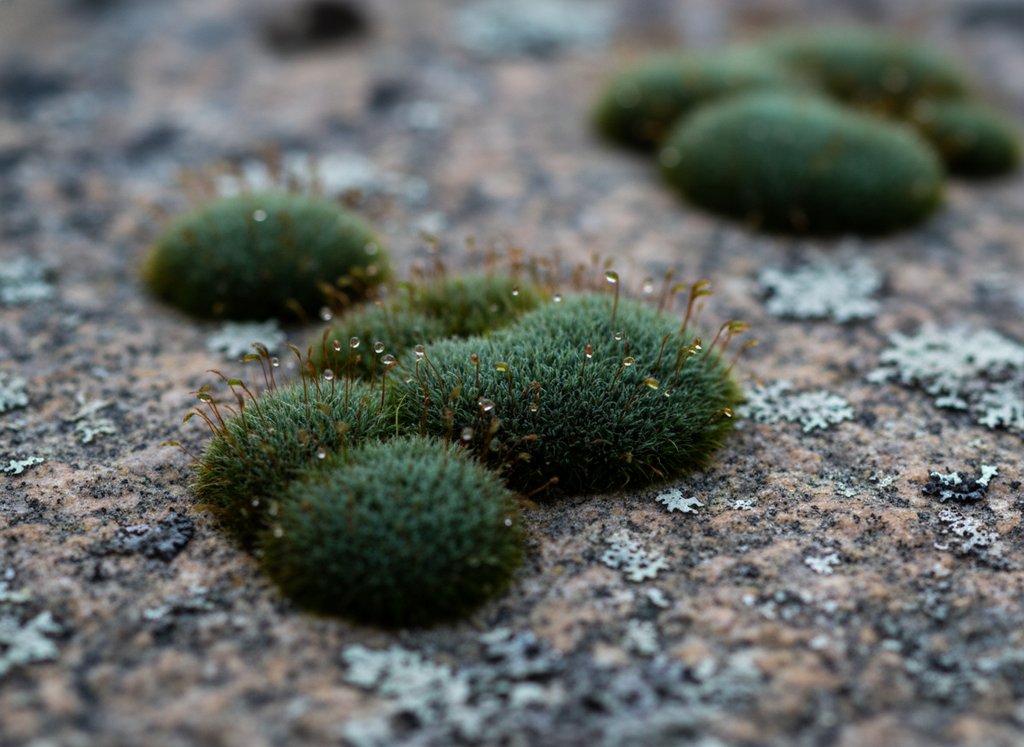
When to Leave It Alone—and When to Call a Pro
Not every fieldstone needs cleaning. If the stone is stable and the biological growth is just a light dusting, leave it. Old lichen can actually protect the surface. But if you can't read the name, or if moss is rooting into cracks and splitting the stone, then it's time. If the stone is already cracked or flaking badly, do not touch it yourself. Call someone who knows how to consolidate loose stone. I've had to walk away from a few jobs because the rock was too fragile. Better to leave it untouched than to damage it. And if you're not sure what kind of stone you're dealing with—rub a wet finger on it. If it smells like clay, it's sandstone. If it fizzes, it's limestone. If it's hard as hell and doesn't budge, it's granite. That'll tell you how careful you need to be.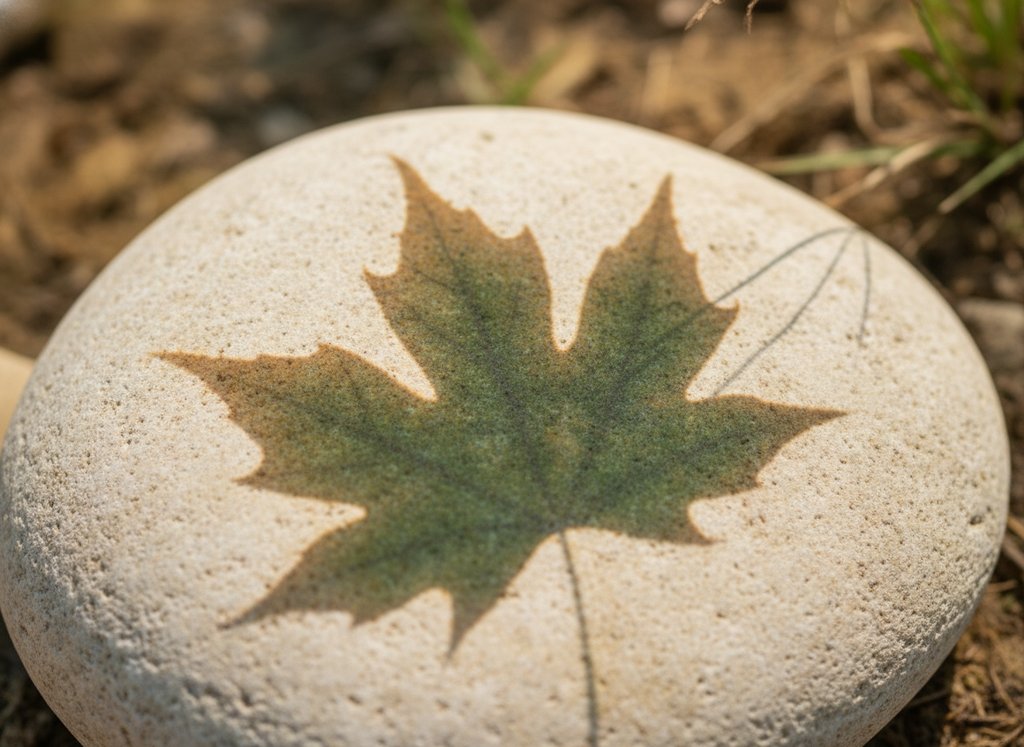
Frequently Asked Questions
Q: Can I use a pressure washer on a fieldstone grave marker?
A: I don't recommend it. Pressure washers can strip away the natural patina and blast dirt deep into cracks, making things worse. Stick to a garden hose with a gentle spray. If you must use a pressure washer, keep the nozzle at least two feet away and use the widest fan setting—but honestly, a bucket and brush is safer.
Q: What if the fieldstone has moss growing in the lettering?
A: Same approach—D/2 and a soft brush. For deep lettering, use an old toothbrush or a plastic pick. Let the cleaner soak for 15–20 minutes first. Don't scrape with metal. I've seen people use screwdrivers—terrible idea. You'll gouge the stone and ruin the lettering forever.
Q: How often should I clean a fieldstone marker?
A: Every 3–5 years is plenty, depending on the climate. In damp, shady spots, moss comes back faster. You can slow it down by trimming nearby grass and keeping the stone dry if possible. But don't overclean—each time you scrub, you're wearing the surface a little. Less is more.
Q: Is it safe to use vinegar or baking soda on fieldstone?
A: No, no, no. Vinegar is acidic—it'll eat limestone and sandstone. Baking soda is abrasive and leaves a residue. Stick with pH-neutral, non-ionic cleaners like D/2. They're designed for stone. Household stuff is for your kitchen, not for your ancestors' graves.
Q: What do I do if the fieldstone is flaking or crumbling?
A: Stop immediately. Don't scrub, don't spray water. Flaking means the stone is deteriorating from within. That needs a professional conservator who can apply a consolidant. Trying to clean it yourself will make it fall apart. Leave it alone and call a pro.