Joining My Local Genealogy Society's Cemetery Restoration Project
headstone cleanning in California | headstone cleaning in Texas
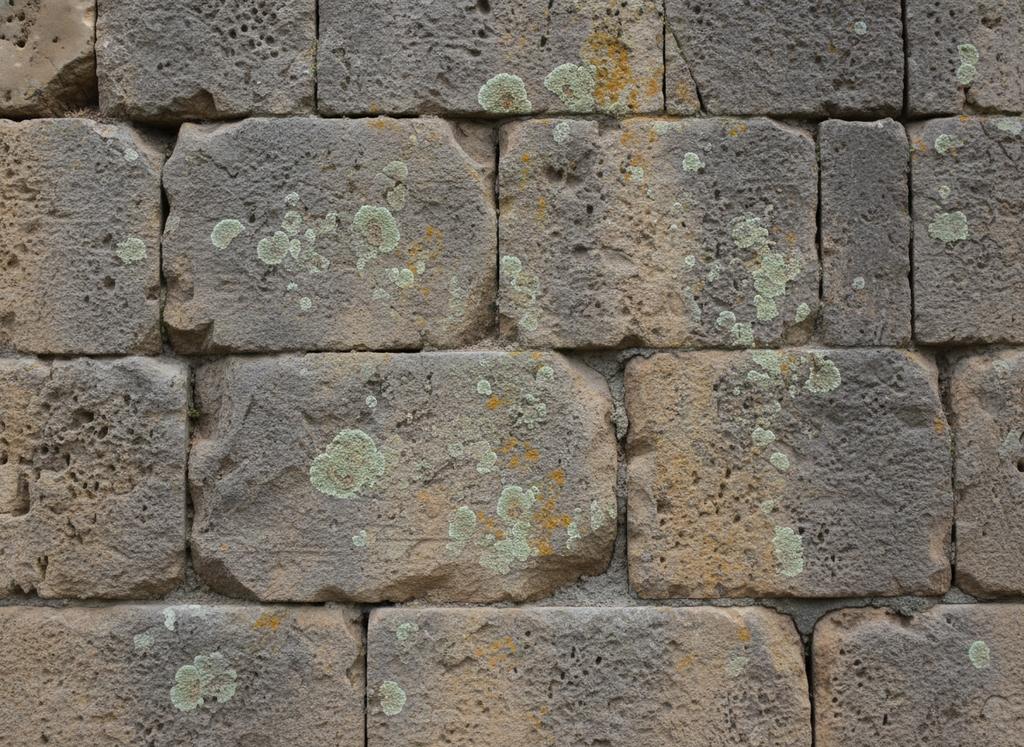
I remember the first time I walked into St. Mary's Old Burying Ground with my genealogy society, it was a crisp Saturday morning in October. The ground was soggy from rain the night before, and my boots sank into the mud with every step. I’d signed up on a whim — my friend Linda from the society had been bugging me for months. 'You clean headstones for a living, Patricia. This is right up your alley.' I grumbled, but I went. Good thing I did. The first stone we worked on was a small marble marker from 1847 for a three-year-old girl named Eliza. Lichen had turned her name almost invisible. Her dates were completely gone under a crust of black growth. Took me three hours with D/2 and a soft brush. But when that name came back — 'Eliza May Carter' — I actually teared up. That’s the moment I got hooked. Now I coordinate the restoration team. If you’re thinking about joining a genealogy society cemetary restoration project, I’ve got some honest, practical advice for you. Let’s get into it.
Why Your Local Genealogy Society Needs You (And You Need Them)
Look, cemetery restoration isn’t a solo sport. I learned that the hard way. My first year, I tried to clean a dozen stones by myself. My back hurt for a week. I ran out of D/2 halfwa through. And I nearly dropped a heavy piece of sandstone on my foot. A genealogy society cemetery restoration project gives you backup. You get a team of people who know the history, can read old census records, and have connections with the cemetery board. Plus, they bring water jugs, tarps, and snacks. Seriously — the snacks matter. Our group, the Oakwood County Genealogical Society, meets at the cemetery the second Saturday of every month from March through October. We have a core of about eight regulars, and another dozen who show up when they can. You don’t need to be a professional. We have retirees, college kids, a librarian, and a retired firefighter. Everyone brings something. One guy, Tom, is a whiz at mapping stones on GPS. Another woman, Sarah, transcribes the inscriptions we uncover. You might think you have nothing to offer, but you do. Even just holding a water bottle steady while someone scrubs helps.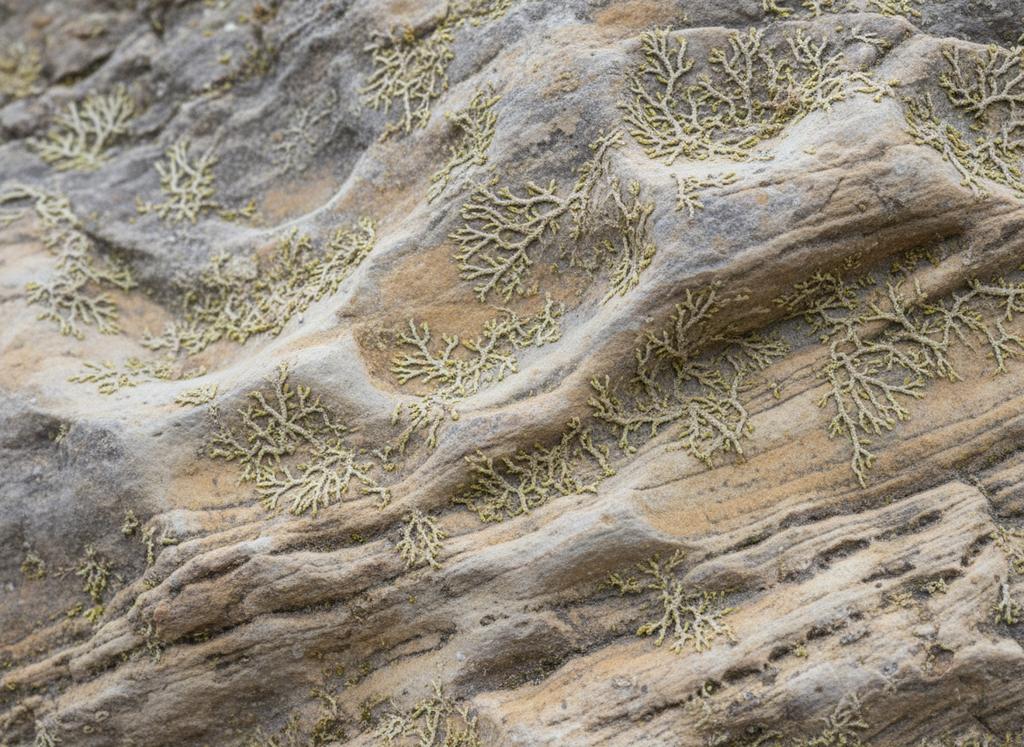
What You’ll Actually Do (Tools, Techniques, and Messes)
Let me be blunt: this is not glamorous work. You’ll get dirt under your nails. Your knees will ache. You might accidentally sit on a wet patch and have a cold butt for the rest of the morning. But the payoff is huge. Here’s what a typical restoration day looks like for us. First, we assess the stone. I always start with a soft nylon brush — the kind with bristles that are stiff but not scratchy. I use a plastic scraper for loose dirt, but never metal. Big mistake — metal leaves scratches. Then we spray the stone with water. Just plain water from a garden sprayer. Then we apply D/2 Biological Solution. That stuff is magic. It’s a pH-neutral, non-ionic cleaner that eats organic growth like lichen and moss without hurting the stone. We let it sit for 10 to 15 minutes. Then we scrub gently in circles. Rinse with water. That’s it. Simple, but slow. I’ve cleaned stones that took four applications over three months. Some things take time. And always, always avoid harsh household chemicals. Those will ruin a stone fast. Skip abrasive tools too — no wire brushes, no steel wool. Steer clear of strong acids or alkaline cleaners. They eat away the surface. Stick with the soft stuff. Your local hardware store sells the right brushes, but I order D/2 online. It’s about 40 bucks a gallon. Lasts a few months if you’re carefull.
How to Get Started (Without Embarrassing Yourself)
First, find your local genealogy society. Google it. Most have a website or a Facebook page. Call them up and ask if they have a cemetery restoration project. If they don’t, ask if they want to start one. I did that — our society didn’t have a formal project until I showed up and said, 'Hey, I’m a celebrant, I know how to clean stones.' They handed me a clipboard and a list of 200 stones. No pressure, right? But honestly, you don’t need to be an expert. You just need to show up with good intentions. Before your first day, watch a few YouTube videos from professional restorers. But don’t overthink it. Most societies have a veteran volunteer who will train you. Listen to them. Don’t argue. I’ve seen newbies show up with bleach and a wire brush. I had to gently take those items and hide them in my car. Just don’t be that person. Bring a notebook and a camera. You’ll want to record what you find. Some stones have hidden messages — a poem on the back, a family symbol, a hand-carved flower. Write it down. You’re not just cleaning. You’re rescuing history.
The Emotional Side Nobody Talks About
Here’s the thing they don’t put in the brochures: this work hits you hard. You’re touching the graves of people who died a hundred years ago. You’re reading the names of infants, young mothers, soldiers. I once cleaned a stone for a man who died at 22 in 1863. Civil War. His wife died the next year. Probably from grief. I found a tiny handprint carved on the bottom — maybe a child’s. I had to stop and sit down for a minute. It’s okay to cry. I’ve seen big burly guys get choked up. Our group has a rule: if you need a break, take it. No judgment. We keep a cooler with water and a folding chair. Sometimes you just need to look at the sky and breathe. And there’s joy too. When you reveal a name that hasn’t been seen in decades, the whole team cheers. We high-five. We take photos. Then we log it in our database. That feeling — bringing someone’s name back into the world — it’s why I keep doing this. It’s why I’ll never stop.
Practical Tips for Your First Restoration Day
Wear old clothes. Seriously. You will get dirty. I wear thick gardening pants and a long-sleeve shirt, even in summer. Sunscreen on your neck. A hat. Bring two pairs of gloves — one for handling rough stone, one for scrubbing. I like nitrile gloves under cloth gloves. Keeps my hands dry. Bring more water than you think you need. Not just for cleaning, but for drinking. We set up a hydration station with a big cooler. Also, pack a lunch. Our society often orders pizza, but sometimes we’re in a remote cemetery with no delivery. I bring granola bars and a sandwich. And a small first-aid kit. I’ve had splinters from old wooden markers, and one time a volunteer cut her finger on a broken glass bottle someone left near a grave. Tetanus shot, but she was fine. Also, bug spray. Ticks are real. I use picaridin, not DEET, because DEET can damage some plastics on tools. Check yourself after. And finally, bring a sense of humor. We’ve had a squirrel steal our scrub brush. A sudden rainstorm soaked all our paperwork. A volunteer accidentally sprayed himself in the face with the water bottle. We laughed. You have to laugh. Because this work is sacred, but it’s also messy and human.
Frequently Asked Questions
Q: Do I need any special skills to join a genealogy society cemetery restoration project?
A: No. You just need to show up willing to learn. Most projects have a training session. I teach a 30-minute overview before we start. You’ll learn how to identify stone types, which cleaners to use, and how to scrub without damaging the surface. If you can hold a brush and listen, you’re qualified.
Q: What’s the biggest mistake beginners make on their first restoration day?
A: Using too much water pressure or scrubbing too hard. I’ve seen people attack a stone like they’re scrubbing a grease stain on a driveway. That’s how you flake off the surface. Go gentle. Slow circles. Let the cleaner do the work. Also, don’t try to clean a stone that’s already crumbling — that’s a job for a professional conservator.
Q: How long does it usually take to clean one headstone?
A: Depends on the stone. A small, lightly stained marble marker might take 20 minutes. A large granite obelisk covered in lichen could take two hours spread over multiple sessions. Our team averages about three stones per day per person. We don’t rush. We take breaks. Quality over speed.
Q: What if I find a stone that’s broken or falling over? Should I try to fix it?
A: Don’t touch it. Seriously. Leave it exactly as you found it. Photograph it, measure it, and report it to the cemetery board or a professional conservator. Reattaching broken stone requires specialized epoxies and training. I’ve seen well-meaning volunteers use superglue or mortar — that ruins the stone for future repair. Just note it and move on.
Q: Can I bring my kids to a genealogy society cemetery restoration project?
A: It depends on the society and the cemetery. Our group allows kids over 12 if they’re supervised and mature enough to follow instructions. Younger kids can help with non-cleaning tasks — taking notes, holding tools, or drawing the stones. But never let them handle chemicals or brushes near fragile stone. Also, make sure they understand cemetery etiquette. No running, no sitting on graves, no loud music. It’s a respectful space.