Grave Marker Cleaning Supplies: What Professionals Use
Caring for a grave in the area? Start with Florida and Pennsylvania.
headstone cleanning in Florida | headstone cleaning in Pennsylvania
I still remember the the first time I was called out to a small family cemetary in rural Vermont. An elderly woman had asked me to clean her husband's granite headstone, which was covered in a thick layer of black lichen and bird droppings. She handed me a bucket of bleach and a stiff wire brush, saying, 'This is what my neighbor used, and it worked wonders.' I had to gently explain that if I used that, I'd be back in a few years to replace the stone entirely. That moment stuck with me—how many well-meaning people unknowingly damage irreplaceable markers with the wrong supplies. As a landscape conservationist focused on historic cemeteries, I've learned that the right tools and cleaning agents can make the difference between preservation and destruction. In this post, I'll share exactly what professionals like me use to clean grave markers safely and effectively, so you can protect your family's heritage without causing harm.
Why pH-Neutral, Non-Ionic Cleaners Are the Gold Standard
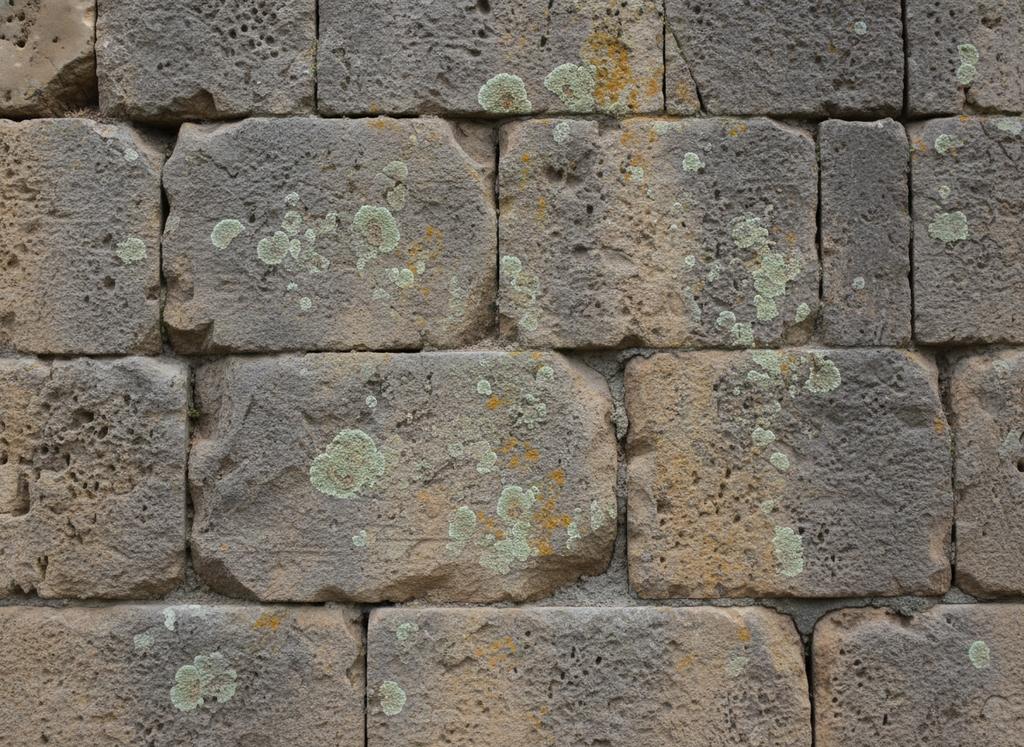
When I'm called to clean a marble or limestone headstone, the first thing I reach for is a pH-neutral, non-ionic biological cleaner like D/2 Biological Solution. This isn't just preference—it's science. Stone, especially softer varieties like marble and limestone, is calcium-based and reacts badly to acidic or alkaline substances. A pH-neutral cleaner (around 7 on the scale) won't etch the surface, dissolve the binding minerals, or leave a residue that attracts dirt. Non-ionic surfactants are key because they lift organic stains—like moss, lichen, and bird droppings—without chemically attacking the stone. I've used D/2 on a 200-year-old sandstone marker that was nearly black with biological growth, and within 15 minutes, the lichen started to lift away with just a soft bristle brush. That's the power of the right supply.
Soft Bristle Brushes and Plastic Scrapers: The Only Tools You Need
Professionals never use wire brushes, steel wool, or metal scrapers on headstones—these leave microscopic scratches that trap moisture and accelerate weathering. Instead, I always carry a set of soft nylon or horsehair brushes in various sizes. For delicate details like carved lettering or raised borders, a soft toothbrush or a natural-bristle artist's brush works wonders. When I need to remove thick, crusted-on biological growth without scratching, I use a plastic scraper—often an old plastic putty knife with the edges rounded off. Even then, I use it gently and only at a shallow angle. One time, I had to clean a slate marker covered in hard lichen; I soaked it with D/2, let it sit for 20 minutes, then used a plastic scraper to lift the loosened growth. The stone came out pristine, without a single mark.
Water: The Unsung Hero in Professional Cleaning
You might be surprised how often I rely on plain water—distilled or deionized, if possible. Tap water can contain minerals that leave deposits on stone, especially on porous surfaces like sandstone. For most routine cleaning, I start with a gentle spray from a pump sprayer to wet the stone, apply the cleaner, then rinse with a low-pressure flow. Never use a pressure washer on marble, limestone, or sandstone—the high pressure can blast away the surface layer, eroding inscriptions and creating pits. I once saw a well-intentioned family use a pressure washer on a 1920s granite marker, and it blew a chunk out of the base. For granite or quartzite, a pressure washer at low pressure (under 1,000 psi) with a wide fan tip can be safe, but for anything softer, stick to a garden hose with a spray nozzle. Water alone, when used with the right cleaner, is often enough to restore a stone's dignity.
What to Avoid: A Professional's No-Go List
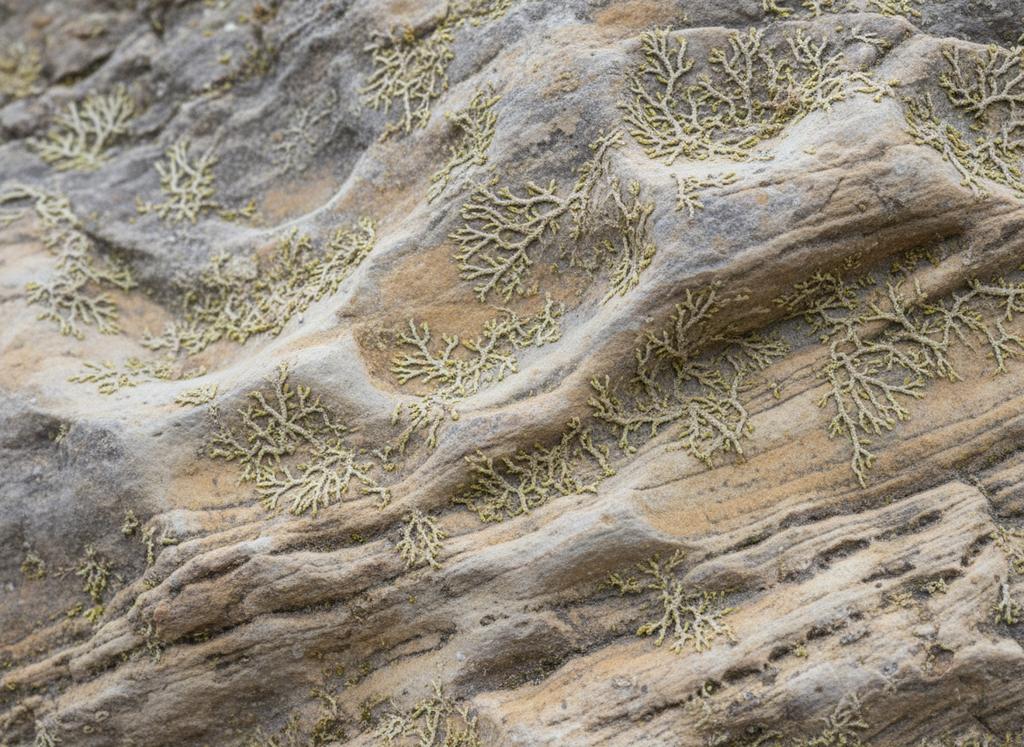
Over the years, I've had to repair countless headstones damaged by well-meaning family members. The most common mistake? Using harsh household chemicals or abrasive tools. For instance, avoid strong acids or alkaline cleaners—these can react with the stone's minerals, causing discoloration or pitting that is irreversible. Similarly, skip abrasive tools like wire brushes or sandpaper, which scratch the surface and create pathways for water and ice to cause further damage. I also steer clear of anything labeled 'all-purpose' or 'heavy-duty' without checking the pH. If a cleaner fizzes when you apply it, that's a chemical reaction with the stone—stop immediately. The golden rule I always tell clients: if you wouldn't use it on your own skin, don't use it on a historic headstone. That's saved many markers from unnecessary harm.
Frequently Asked Questions
Q: Can I use dish soap like Dawn to clean a granite headstone?
A: Technically, dish soap is pH-neutral and safe for granite, but I don't recommend it for professional use. Most dish soaps contain degreasers, dyes, and fragrances that can leave a residue, which attracts dirt and biological growth over time. For a one-time clean on a modern granite marker, a tiny amount of mild dish soap diluted in water is okay, but for historic stones or softer materials like marble, stick with a dedicated cleaner like D/2. I've seen dish soap residue cause a chalky film on limestone that was tough to remove.
Q: Is it safe to use vinegar as a natural cleaner on headstones?
A: No, absolutely not. Vinegar is acidic (pH around 2-3), and it will etch the surface of marble, limestone, and sandstone. Even on granite, repeated use can dull the polish. I've had a client who used vinegar and water on a family marble monument for years, thinking it was gentle; the inscriptions became shallow and fuzzy. Stick with pH-neutral, non-ionic cleaners for all stone types—they're designed to clean without chemical damage.
Q: How often should I clean a grave marker with professional supplies?
A: For most markers, once a year is sufficient—ideally in spring or early fall when temperatures are mild and you can let the cleaner sit without freezing or evaporating too fast. I usually tell familys to clean only when biological growth (moss, lichen, algae) becomes visible, not just for aesthetics. Over-cleaning can wear down the stone's surface over decades. On a sandstone marker I maintain for a historic society, I clean it every 18 months, and it looks great.
Q: Can I use a pressure washer on a granite headstone after reading your advice?
A: Yes, but only with caution. Granite is very hard and dense, so a pressure washer at low pressure (under 1,000 psi) with a wide fan tip (40 degrees or wider) is safe for removing loose dirt or biological growth. However, if the stone has any cracks, chips, or loose pieces, the pressure can worsen damage. I always test an inconspicuous area first. For anything other than granite or quartzite—like marble, limestone, sandstone, or slate—never use a pressure washer. I've seen it destroy the surface of a 19th-century slate marker, flaking off the lettering.
Q: Where can I buy professional-grade grave marker cleaning supplies like D/2?
A: D/2 Biological Solution is available online through specialty suppliers like HeadstoneCleaner.in, as well as on Amazon and some cemetery supply stores. Look for the 'Biological Solution' label—not the 'Architectural' version, which is stronger. I always buy it in gallon concentrate, which dilutes with water and lasts for many cleanings. Avoid generic store-bought stone cleaners, as they often contain acids or sealants that can damage the stone. For brushes, any art supply store carries soft nylon or horsehair brushes that work perfectly.