Great Lakes Lake-Effect Snow: Winter Care for Grave Markers
headstone cleanning in Pennsylvania | headstone cleaning in California
Last November, I was out at Lake View Cemetary near Erie, Pennsylvania, visiting my great-great-grandmother’s grave. the the headstone was completely overgrown — moss, lichen, and a thick layer of grime from months of lake-effect snow and road salt spray. I’d put off cleaning it for two years. Big mistake. The stone was starting to pit, and the inscription was barely readable. Took me three tries with the right cleaner to get it back. Worth it. That day, I learned the hard way: winter in the Great Lakes region isn’t just hard on your car and your driveway — it’s brutal on grave markers. So let’s talk about how to keep those stones safe through the snow and ice, without making things worse.
Why Lake-Effect Snow Is So Tough on Headstones
Here’s the thing about lake-effect snow: it’s not just fluffy powder. It’s heavy, wet, and often mixed with road salt, sand, and chemical de-icers that get kicked up by plows. That salt-laden slush can soak into porous stone like limestone, sandstone, and even some marbles. Then it freezes and expands. Freeze-thaw cycles — we get dozens of them each winter — cause spalling, cracking, and flaking. Plus, the constant moisture feeds moss and lichen, which hold dampness against the stone. I’ve seen markers from the 1800s that look like they’ve been sandblasted, just because nobody thought to rinse off the salt. If your cemetery is within a mile of a major road, you’re basically running a salt bath for those stones all winter.
The Right Way to Clean Before Winter Hits
Timing matters. I clean my family’s markers in late October or early November, before the first big snow. Never in freezing temps — water just turns to ice on the stone. I use D/2 Biological Solution, which is pH-neutral and non-ionic. It kills the biological growth without etching the stone. Spray it on, wait 10-15 minutes, then rinse with a garden sprayer (no pressure washer — that’s a disaster for old stone). For stubborn lichen, I use a soft nylon brush. No wire brushes, no scouring pads, no household cleaners. I learned that one the hard way when I tried vinegar on a sandstone marker. Left a white stain that took two seasons to fade. So stick with the D/2. It’s boring, but it works.
Winter Protection: What to Do and What to Skip
After cleaning, I apply a breathable stone sealer — something like Dry-Treat or Lithistone. But here’s the catch: only use sealers on dense, non-porous stones like granite. On limestone or sandstone, sealers can trap moisture inside and cause more damage when it freezes. So know your stone. For porous markers, skip the sealer and just keep them dry. I also wrap a cloth or burlap around the base if it’s a small marker — not to heat it, but to wick away melting snow. Avoid plastic tarps; they trap condensation. And never pile snow on top of a headstone when shoveling. That’s just asking for a crack. I saw a guy at the cemetery do that once. He was trying to be helpful. His shovel hit the top edge. Chip the size of a walnut flew off. He felt awful. I felt worse.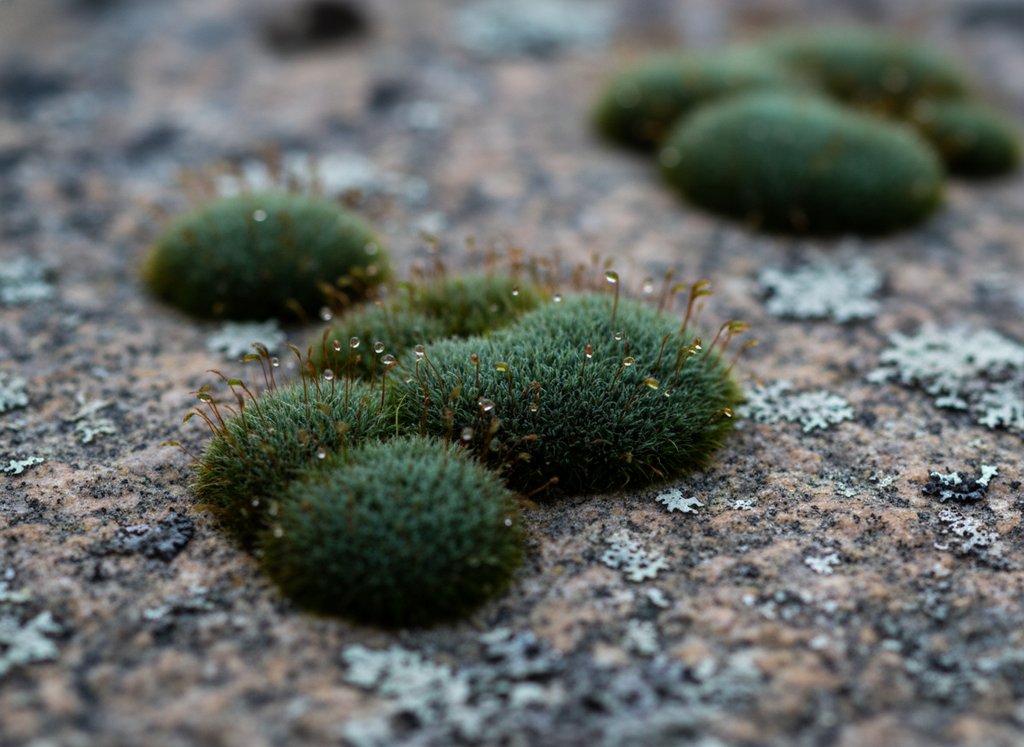
Spring Checkup: What to Look For
Come March or April, when the snow melts, do a quick inspection. Look for new cracks, flaking, or discoloration. Run your hand over the surface — if it feels rough or powdery, that’s spalling. Check the inscription for fading — sometimes winter dirt fills the letters and makes them hard to read. If you see orange or brown streaks, that’s rust from nearby ironwork, which can stain the stone. Clean gently with D/2 again. And if you find a crack wider than a hairline, call a professional conservator. Don’t try to fill it with epoxy or caulk. That’ll just trap water and make things worse. I’ve had to tell that to three well-meaning relatives already.
A Few Personal Rules I Swear By
I keep a small kit in my car: a spray bottle of D/2, a soft nylon brush, and a bucket for rinsing. That’s it. No bleach, no acids, no power tools. I also check the wheather forecast — if there’s a freeze within 48 hours, I don’t clean. Simple. And I always leave a note on the family grave with my phone number, in case a grounds crew sees something wrong. One time, the caretaker called me because a fallen branch had cracked the base of a 1920s marker. I got it fixed before the next snow. That kind of thing matters. These stones are the only record we have of people who lived and died before us. Treat them like it.
Frequently Asked Questions
Q: Can I use a pressure washer to clean a headstone after winter?
A: Please don’t. Pressure washers can blast off the surface of old stone, especially sandstone, limestone, and even some marbles. The water gets forced into pores and cracks, making freeze-thaw damage worse. Stick with a garden hose and a spray nozzle.
Q: Is road salt from plows really that bad for grave markers?
A: Absolutely. Road salt (sodium chloride and other de-icers) soaks into porous stone. When it dries, it crystallizes and pushes the stone apart from the inside. Rinse the marker with fresh water after a big snowmelt to reduce salt buildup.
Q: What’s the best cleaner for removing lichen from a granite headstone in the Great Lakes region?
A: For granite, D/2 Biological Solution works great. It’s pH-neutral and kills the lichen without harming the stone. Spray it on, let it sit for 10-15 minutes, then scrub gently with a soft nylon brush and rinse. Avoid bleach or vinegar — they can leave stains or etch the surface.
Q: How often should I clean a headstone in a lake-effect snow zone?
A: Once a year in late fall, before the first snow, is usually enough. If the marker is near a busy road or gets heavy salt spray, you might want to rinse it with fresh water in early spring too. Don’t over-clean — gentle care beats aggressive scrubbing every time.
Q: Can I put a winter cover over a headstone to protect it?
A: Only if it’s breathable. Use burlap or a cotton cloth, not plastic. Plastic traps moisture, which freezes and damages the stone. Also, make sure the cover doesn’t touch the inscription — condensation can form and cause staining. I use a loose burlap sack, weighted down with a rock, and remove it after the last frost.