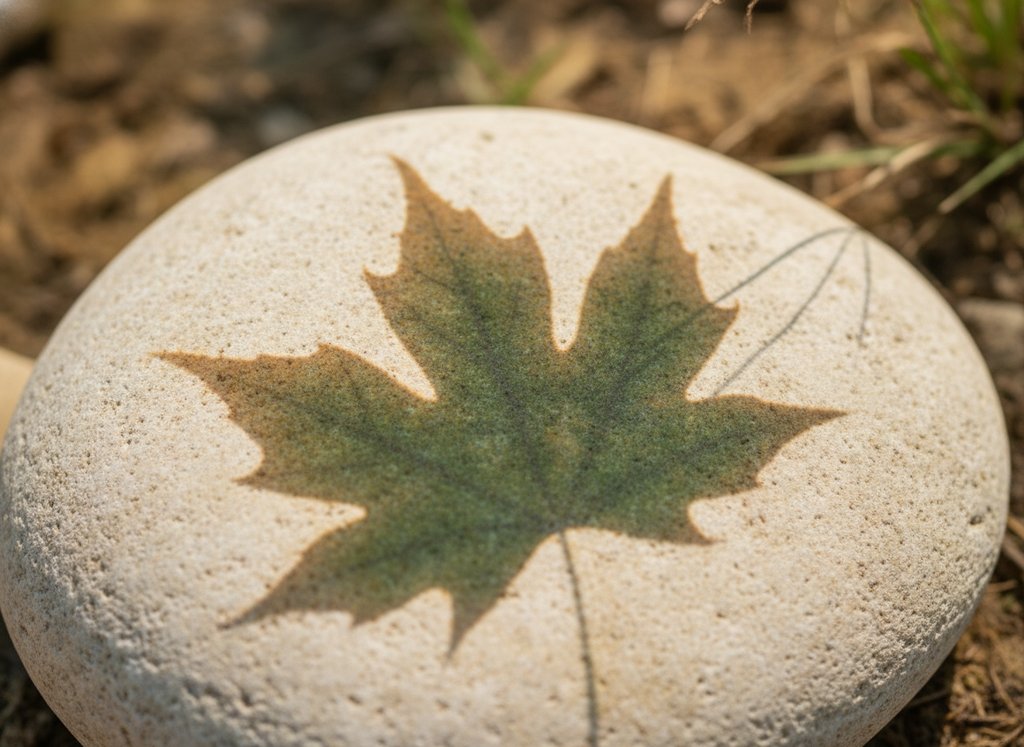
The Green Film That Only Grows on the Stone's North Side
headstone cleaning in Texas | headstone cleaning in New York
I’ll never forget the first time I saw it. I was out in a tiny cemetary in upstate New York, late afternoon in October, and the light was that golden hour kind of glow. I knelt down by this old granite obelisk from 1882 — the name was barely readable. And there it was: a slick, almost neon-green film creeping up the north face of the stone, like someone had painted it with algae. The other sides? Clean as a whistle. I laughed out loud. Took me three tries to figure out what I was dealing with. That was the day I stopped guessing and started actually understanding why headstones get that green gunk only on one side.
So here’s the thing — that green algae film on shaded side of headstone isn’t random. It’s not dirt, it’s not moss, it’s not some mysterious curse. It’s biology. And once you know why it’s there and how to clean it safely, you can bring those stones back without damaging them. I’ve been doing this for fifteen years now, and I’ve seen more ruined headstones from well-meaning people with bleach than from wheather. So let me walk you through it — the real way.
Why Does Green Algae Only Grow on the North Side?
Short answer: moisture and shade. Longer answer: north-facing surfaces in the Northern Hemisphere get the least direct sunlight. That means they stay damp longer after rain, dew, or even morning fog. Algae loves that. It’s a simple organism that photosynthesizes, sure, but it doesn’t need blazing sun — just a little light and alot of wet. The north side gives it both. I’ve measured it with a moisture meter on old marble slabs: the north face can be 20% more damp than the south face even on a dry day. That’s why the green film shows up there first, and sometimes only there. If you see it on other sides too, the stone’s probably in deep shade all day or has a drainage problem. But the north side is classic.
What NOT to Do (Seriously, Please Don't)
I’ve seen people pour household cleaners on headstones that looked like they were trying to strip paint off a car. Big mistake. Here’s the rule: never use harsh household chemicals, skip abrasive tools like wire brushes or steel wool, and steer clear of strong acids or alkaline cleaners. Those things eat into the stone’s surface — especially on marble and limestone, which are soft and porous. Once you etch that surface, the algae will come back worse because it has little pits to hide in. And never, ever pressure wash a fragile stone. I watched a guy blast a 1700s sandstone marker with a pressure washer once. The lettering flew off in chunks. He looked like he’d seen a ghost. Just don’t.
The Right Way: What I Actually Use
For green algae film on shaded side of headstone, I use D/2 Biological Solution. It’s pH-neutral, non-ionic, and specifically made for cleaning headstones and monuments. No bleach, no acid, no surprises. I mix it exactly as the label says — usually a 1:1 ratio with water for light algae, straight for heavy growth. Then I spray it on the north face, let it sit for five to ten minutes — not longer, or it dries out — and gently scrub with a soft nylon brush. Something like a horsehair brush works too, but nylon is easier to rinse. I work in small sections, maybe two feet by two feet. Rinse with distilled water if you can, but tap water is fine as long as you don’t let it pool. Then I let it air dry. The algae usually lifts right off. For really stubborn layers, I might repeat the proccess after a day. Patience beats force every time.
One More Thing: Prevention Is Possible
You can’t stop the rain, but you can slow down the algae. After cleaning, I sometimes apply a thin coat of a stone-safe biocide — I like one called Wet & Forget, but check the label to make sure it’s safe for the specific stone type. Spray it on the north side once a year, ideally in spring. It won’t prevent all regrowth, but it cuts the frequency in half. Also, if there’s a tree or bush casting shade on that side, trimming it back can make a huge difference. I had a client in Ohio whose grandmother’s headstone was covered every summer. We trimmed a maple branch that was hanging over it. Two years later, the algae hadn’t come back. Sometimes the fix is that simple.
Frequently Asked Questions
Q: Can I use vinegar to clean the green algae off the north side?
A: No. Vinegar is acidic — it’s acetic acid. On marble or limestone, it will etch the surface and leave a dull, rough spot. I’ve seen it happen. Stick to a pH-neutral cleaner like D/2.
Q: The green film is really thick and crusty. Should I scrape it off first?
A: Don’t scrape. Soak it with D/2 solution and let it sit longer — maybe 15 minutes. Then use a soft brush. If it’s still stuck, repeat the soak. Scraping with anything metal or hard will scar the stone.
Q: How often does the algae come back after cleaning?
A: Depends on the climate and shade. In humid areas with lots of tree cover, it can come back in six months. In drier spots, you might get two or three years. Annual cleaning is normal for north-facing stones.
Q: Is it safe to clean a headstone that’s already cracked or flaking?
A: Be very careful. If the stone is already fragile, even soft brushing can loosen pieces. I’d recommend consulting a professional conservator first. Sometimes it’s better to leave the algae than risk breaking the stone.
Q: Why does the algae only grow on the north side and not the bottom edge too?
A: Good question. The north side gets the least sun, so it stays damp longest. The bottom edge can get algae too if the ground stays wet, but the north face is the classic spot because it’s vertical and shaded. The bottom often dries out faster from ground heat.