Mid-Winter Check at the Plot: My Groundhog Day Walk Through the Snow
headstone cleanning in California | headstone cleaning in Texas
I remember one Groundhog Day about five years back—bitter cold, maybe minus ten Celsius, and I'd promised my wife I'd swing by her grandmother's grave before the Super Bowl started. Snow was up to my shins in the old section of St. Mary's. I'm crunching along, muttering about frozen toes, when I spot it: a little patch of bare granite where the snow had slid off. And right there, plain as day, a crack running from the top edge down about eight inches. Not a big one, but fresh. Sharp edges. Could've been from a frost heave the night before. I sat down right in the snow and took a photo. Called the family that evening. That little crack taught me more about winter damage than any textbook. So now, every year around Groundhog Day—wether Punxsutawney Phil sees his shadow or not—I do a proper mid-winter grave snow check. It's not about superstition. It's about catching trouble before spring thaw makes it worse.
Why February is the Cruelest Month for Stone
February is a liar. Looks all peaceful with the white blanket. But under that snow, the ground is freezing and thawing in a cycle that can wreck a stone base. Water gets into microscopic pores—and I mean microscopic, like 0.1 micron wide on polished granite—freezes, expands, and pries the stone apart from the inside. This is called frost wedging. Marble is especially vulnerable because it's a metamorphic rock with natural cleavage planes. Limestone too, though it's a little more forgiving. Sandstone? Forget it. That stuff acts like a sponge. I've pulled sandstone markers that felt like they'd been through a blender after one bad February. So why February? Because January's freeze sets the stage, but February's freeze-thaw cycles—sometimes three or four in a week—are what actually break things. A mid winter grave snow check in February catches the damage before March rains make it worse.
What to Look for When You're Standing in Snow
You don't need special gear. Just your eyes and your hands. Gloves off for a second if you can stand it—you feel more with bare fingers. Here's my checklist: First, check the base. If the stone is sitting on a concrete footer, look for tilting. A quarter-inch tilt is normal. Half an inch? That's a problem. Second, look at the top edge. Snow melts unevenly. Where it melts first, you'll see the stone. Run your finger along the top edge. Feel for roughness or chips. Third, check the lettering. If you see white powdery residue in the carved letters on marble, that's sugaring—the stone is literally shedding it's surface. Fourth, look for cracks. They show up as dark lines, usually vertical, often near the edges. And fifth—this one people miss—check the ground around the base. If you see a depression or a little mound of soil pushed up, that's frost heave. The stone might be lifting. Took me three tries to learn that last one. Worth it.
Do NOT 'Clean' It in Winter (Here's What to Do Instead)
I get it. You see a little moss or dirt, and you want to scrub it off. Big mistake. Never clean stone when temperatures are below freezing. Water-based cleaners freeze on contact. That leaves residue that traps moisture. Worse, if you try to scrub with a brush when the stone is damp and cold, you can actually abrade the surface. I've seen it—a well-meaning relative with a stiff nylon brush and some dish soap turned a 1920s marble marker into a rough mess. So here's the rule: if the temp is below 4 degrees Celsius, you do not clean. You only inspect. If you absolutely must remove something—say, bird droppings that are staining—use a soft cloth with distilled water only. Pat, don't rub. And wait for a day when it's above freezing and dry. For the actual spring cleaning, I always recommend a pH-neutral biological cleaner like D/2 Biological Solution. It's non-ionic, safe on all stone types, and actually eats the organic growth rather than just bleaching it. But that's a job for April, not February.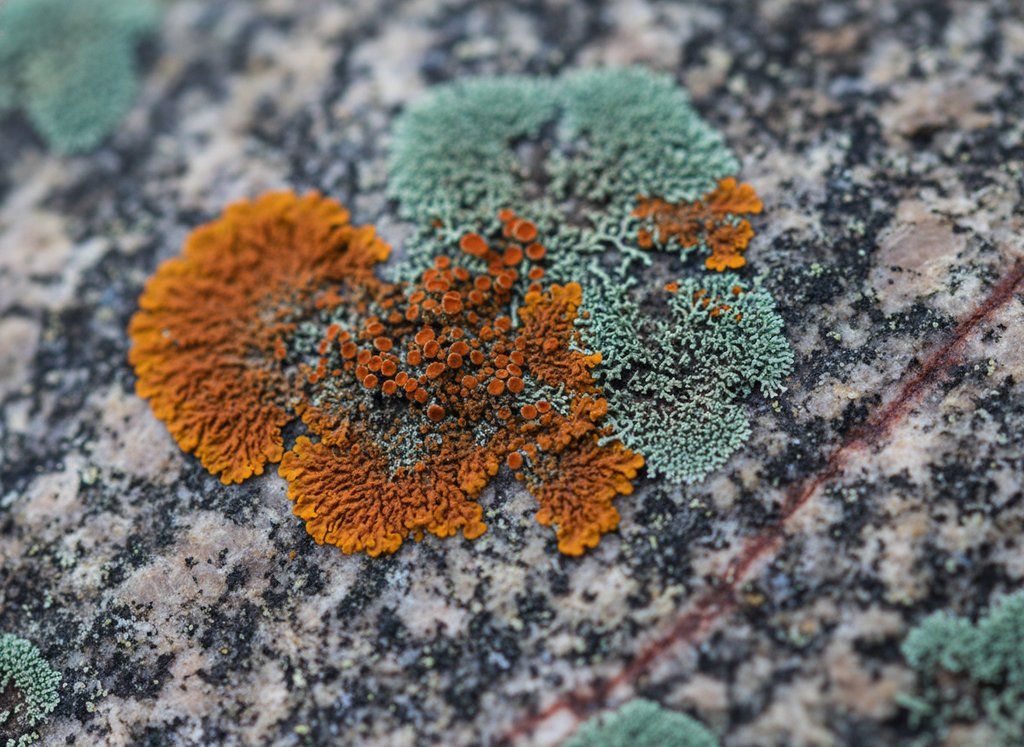
How to Document What You Find (So You Don't Forget)
I carry a little notebook—the cheap spiral kind from the drugstore—and a pencil. Pencil because ink freezes. I write the date, the plot number, and a quick sketch of the stone. Then I take photos. Not just one. I take a wide shot showing the whole marker, then close-ups of any crack, chip, or stain. I put my finger next to the crack for scale. Then I send those photos to myself in an email with the subject line: '2025 Feb check - Plot 47.' That way I of a record. When I come back in April, I compare. If the crack got longer over the winter, I know the stone needs resetting or maybe a patch. If it stayed the same, I can relax. This system saved me last year—I found a hairline crack in a limestone cross that I'd missed in January. By April it was three inches longer. Caught it just in time. So take the five minutes. Future you will thank you.
The One Thing You Should Do Right Now (Before Spring)
If you can, push a little snow away from the base. Just a few inches. Let the air get at the stone. Snow piled against the base traps moisture against the stone. That moisture seeps into the joint between the stone and the footer. Then it freezes. And that freeze can actually lift the stone off its base. I've pulled up headstones that were just sitting on top of the footer, not attached, because the frost had pushed them up an inch. So clear a small gap around the base. Don't dig—just push. Also, if the stone has a cap or a cross that's loose, don't try to glue it in the cold. No epoxy sets properly below 10 degrees. Just note it and plan for a spring repair. And if you see standing water in the plot? That's bad. Means the ground is saturated. That water will freeze and expand, pushing the stone sideways. If you can, trench a little drainage channel with your boot. Not pretty, but it works. I've done it a hundred times. Never had a complaint.
Frequently Asked Questions
Q: Is it safe to walk on the frozen ground around a grave to do a mid winter grave snow check?
A: Generally yes, but watch your step. Frozen ground can be uneven. I've tripped over a hidden edge marker more times than I'd like to admit. The bigger risk is stepping on a flat marker that's flush with the ground—the frost can make it slippery. Take it slow. And if the ground is soft under the snow (like after a thaw), stay off it. You don't want to leave boot prints that turn into ruts when the ground refreezes.
Q: What if I find a crack during my February check—should I try to seal it myself?
A: No, absolutely not. Don't put any sealant, epoxy, or caulk on a crack in winter. The cold prevents proper curing, and the sealant can trap moisture inside the crack. That moisture will freeze, expand, and make the crack worse. Just take photos, measure the crack's length with a ruler, and contact a professional stonemason like me. We'll assess it in spring when we can work with the stone at the right temperature.
Q: Can I use a hair dryer or heat gun to melt snow off the headstone during my check?
A: Please don't. Sudden heat on cold stone causes thermal shock. That's a sure way to create cracks. I've seen it happen on a marble marker—the family used a space heater to melt ice, and the stone developed a spiderweb of cracks within an hour. Let the snow melt naturally. If you need to see the surface, gently brush off dry snow with a soft-bristle brush (like a horsehair brush). Never use a metal scraper.
Q: How often should I do a mid winter grave snow check?
A: Once in January after the first hard freeze, and once in February around Groundhog Day. That's enough. More than that and you risk damaging the grass or compacting the soil. The key is to catch changes between those two visits. If you notice something new in February that wasn't there in January, you know it happened during the worst freeze-thaw period. That tells you the stone is vulnerable and needs spring attention.
Q: My stone has a metal plaque attached—do I need to check that differently in winter?
A: Yes, metal and stone expand at different rates in the cold. Look for gaps between the plaque and the stone. If you see a gap wider than a credit card, the mounting screws might be loosening. Also check for rust stains dripping down the stone from the plaque. That's a sign the metal is corroding. In winter, the rust can freeze and expand, prying the plaque off. If it's loose, don't try to tighten it in the cold—the metal is brittle and could snap. Just note it and call a pro.