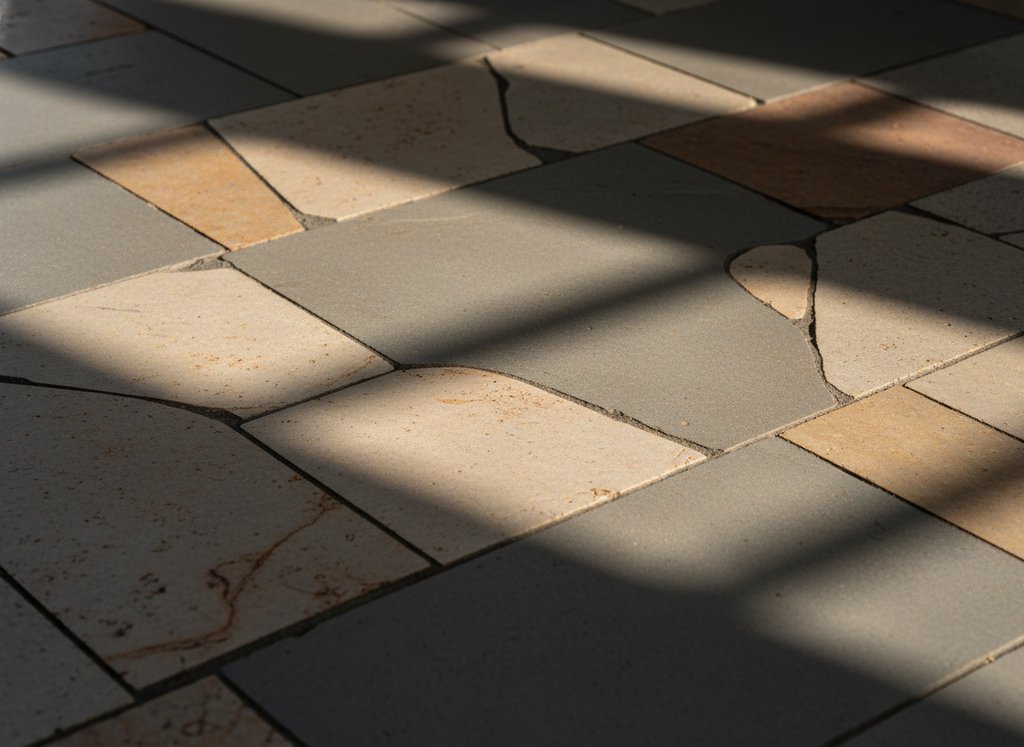
High Plains Wind and Grit: Cleaning Markers Without Abrasion
headstone cleaning in California | headstone cleaning in Texas
I remember my first real cleaning disaster like it was yesterday. Must have been ten years ago, a hot August afternoon out at the the old Greenwood Cemetary. A young couple had asked me to clean their grandmother's marble headstone—a beautifull, dove-gray marker from the 1920s. I was new to all this, still learning. I brought a bucket, some dish soap, and a stiff nylon brush. Thought I was being careful. But the wind was howling that day, kicking up that fine, powdery grit we get here on the high plains. I scrubbed a little too hard, and that grit acted like sandpaper. Rubbed a dull, hazy patch right into the polished face. I felt sick to my stomach. Took me three tries over the next year with a poultice to get it back to something decent. Never again. That's when I learned the hard way: on the high plains, wind and grit are your real enemies, not the grime. So let me share what I've figured out since then—how to clean a marker properly without making it worse.
Why High Plains Wind and Grit Is So Dangerous for Headstones
You'd think a little dirt is harmless. It's not. Out here, the wind never stops. It carries silica dust, tiny quartz particles, and all sorts of sharp mineral fragments. When you scrub a stone—even with a soft brush—and that grit gets caught between the bristles and the surface, you're basically using a piece of sandpaper. Marble is soft, limestone is even softer. Sandstone? Forget it. One good scrub in a windstorm and you've etched permanent scratches. I've seen it happen to dozens of stones over the years. The damage looks like a dull, cloudy film. People mistake it for lichen or age. But it's just abrasion. So rule number one: never dry-scrub a dirty stone. Always wet it first, and wet it again while you work. The water floats the grit away from the surface. That simple step saves so many markers.
What You Actually Need: My Go-To Kit for Windy Days
I keep a small canvas tote in my trunk. Here's what's inside: a one-gallon pump sprayer (I use a Chapin brand, cheap and reliable), a five-gallon bucket, a soft natural-bristle brush (horsehair is best—synthetic can be too stiff), and a big bottle of D/2 Biological Solution. That's the only cleaner I trust. It's pH-neutral, non-ionic, and it eats biological growth—moss, lichen, algae—without harming the stone. I order it online, a gallon at a time. Costs about forty bucks, but it lasts a year. I also carry a spray bottle of distilled water for final rinses. Tap water is fine for the first wash, but that final rinse with distilled leaves no mineral spots. And I always, always bring a windbreak. My trick? An old bedsheet and four tent stakes. I rig it up on the upwind side of the marker. Looks silly, but it keeps the grit off the wet stone. Works like a charm.
Step-by-Step: Cleaning a Headstone in High Plains Conditions
Step one: soak the stone completely. Use the pump sprayer with plain water. Soak it until water runs down every face. Let it sit five minutes. This softens the biological crust. Step two: mix D/2 per the label—usually one part solution to four parts water. Spray it on generously. Don't scrub yet. Let it dwell for ten minutes. That's where the magic happens. The D/2 breaks down the organic stuff chemically. Step three: wet your brush in clean water, then gently scrub in a circular motion. Light pressure. Let the bristles do the work. Rinse the brush often in your bucket to flush out any grit you picked up. Step four: rinse the stone thoroughly from top to bottom with your sprayer. Make sure no cleaner residue drips down into the inscription. Step five: if the wind is blowing (and it always is), cover the stone with your windbreak sheet while it air-dries. That keeps the grit from sticking to the damp surface. I let it dry completely—usually an hour or more—before removing the sheet.
What to Skip: The Tools That Ruin Stones Fast
I've seen people bring wire brushes, steel wool, scouring pads, even sandpaper. Big mistake. Those things scratch stone like you wouldn't beleive. Also skip harsh household chemicals—things like toilet bowl cleaner, oven cleaner, or any spray with bleach or ammonia. They eat away the binder in marble and limestone. A stone that's been hit with acid will look pitted and rough within a year. And for heaven's sake, don't use a pressure washer. Even on a low setting, it blasts away the surface layer of softer stones. I had a man argue with me once, said he'd been doing it for years. Showed him a sandstone marker he'd cleaned. The lettering was already fading. He didn't believe me until I pulled out a magnifying glass. You could see the tiny craters. So stick with soft brushes, pH-neutral cleaner, and lots of water. That's it.
When to Call a Pro (and When Not to Bother)
I'm a volunteer, not a professional conservator. There are times I tell people to hire someone. If the stone is cracked, flaking, or has loose pieces, don't touch it. A pro will use specialized consolidants and poultices. Same goes for stones that are extremely old—pre-1850, say. The surface might be fragile. I once had a woman insist I clean her great-great-grandfather's slate marker from 1842. Slate is tough, but the carving was shallow. I said no. She was upset, but I'd rather be safe. On the other hand, if the stone is sound—no cracks, no spalling—and you're just dealing with lichen, dirt, or bird droppings, you can absolutely do it yourself. Just take your time. Work on a cloudy day if you can. The sun dries the cleaner too fast. And remember: slow and gentle wins this race. I've cleaned over three hundred markers now. Not one has been damaged since that first disaster. That's a record I'm proud of.
Frequently Asked Questions
Q: Can I use vinegar or baking soda to clean a headstone on the high plains?
A: No. Please don't. Vinegar is acidic. It etches marble and limestone. Baking soda is abrasive—especially when mixed with windblown grit. Stick with a pH-neutral cleaner like D/2. It's safer and actually works better on biological growth.
Q: How do I keep windblown grit from scratching the stone while I'm scrubbing?
A: Wet the stone thoroughly first. Keep it wet the whole time. The water lifts the grit off the surface so it doesn't get ground in. Also, set up a windbreak—a sheet or tarp on the windy side. It makes a huge difference. I use a bedsheet and four tent stakes.
Q: What's the best brush for cleaning a sandstone marker without damaging it?
A: A natural horsehair brush with soft bristles. Avoid nylon or plastic bristles—they're too stiff for sandstone. I get mine from a wooden-handle paintbrush supplier. Costs about twelve dollars. Lasts for years if you rinse it clean after each use.
Q: Can I use a pressure washer if I keep it on the lowest setting?
A: I strongly advise against it. Even on low, a pressure washer can strip the surface of soft stones like limestone and sandstone. The high-pressure water forces grit into the pores. I've seen it ruin inscriptions. Hand cleaning with a sprayer and soft brush is slower, but it's the only safe method.
Q: How often should I clean a headstone in a windy, dusty area?
A: Once a year is plenty. Over-cleaning wears the stone down. I do mine in early spring, after the worst winter winds have passed. If you notice lichen or moss growing, you can spot-treat with D/2 without a full scrub. Just spray it on, let it sit, and rinse. That's gentler on the stone.