How to Remove Black Stains from Marble Headstones Safely
If you're tending a memorial nearby, you can find trusted help through Florida and Pennsylvania.
headstone cleaning in Florida | headstone cleaning in Pennsylvania
I remember the the first time I saw it: a beautifull old marble headstone in our cemetary’s oldest section, nearly hidden under a tangle of ivy. When I gently cleared the leaves away, my heart sank. The stone was covered in dark, blotchy stains—some almost black—that looked like someone had splattered ink across it. I later learned those were caused by years of lichen growth and mineral deposits from rain. I was a schoolteacher before I retired, not a chemist, so I treated that headstone like one of my students: with patience, gentleness, and the right tools. After 15 years of volunteering here, I’ve learned a thing or two about bringing marble back to life without causing harm. Today, I want to share how you can safely remove black stains from a marble headstone, so you can honor your loved one’s memory without damaging the stone.
What Causes Those Black Stains on Marble?
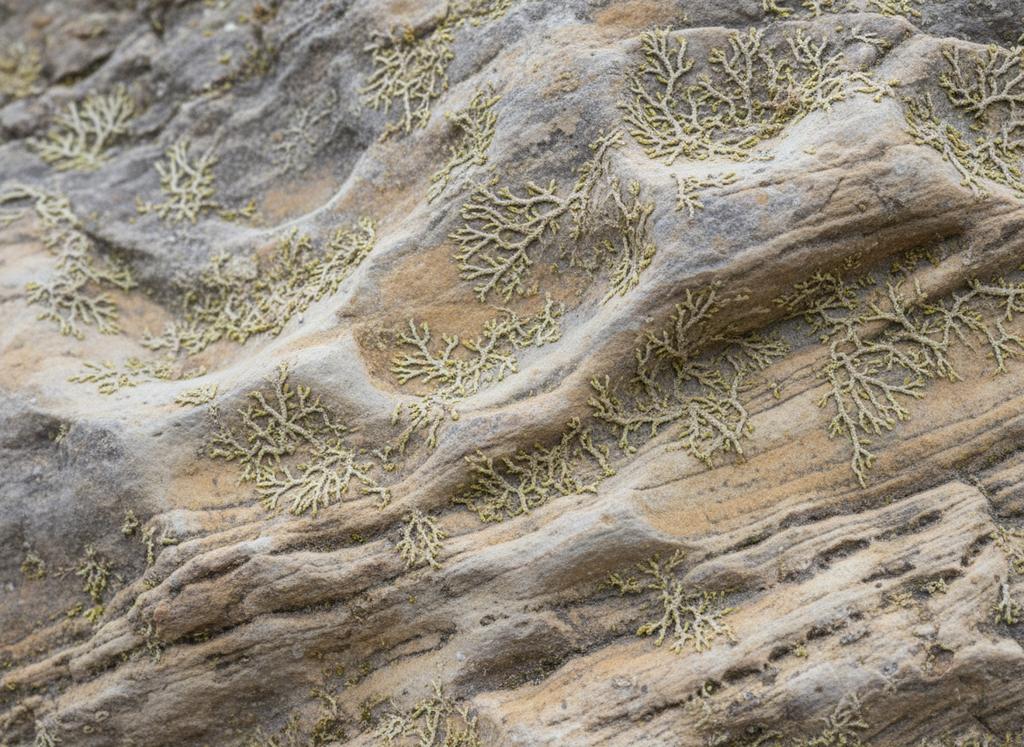
Before we get into cleaning, it helps to understand what you’re dealing with. Black stains on marble headstones usually come from one of three things: biological growth like lichen, moss, or algae; airborne pollutants that settle into the stone’s pores; or old wax or polish residues that have oxidized over time. Marble is a soft, porous stone—it’s actually recrystallized limestone—so it absorbs moisture and pollutants easily. That’s why harsh methods can do more harm than good. I’ve seen well-meaning folks use vinegar or lemon juice, thinking it’s natural, but those are acids that etch marble permanently. The key is to use a cleaner that’s gentle enough for the stone but effective against organic stains.
The Only Cleaner I Trust: D/2 Biological Solution
After years of trial and error, I’ve settled on D/2 Biological Solution as my go-to for marble. It’s a pH-neutral, non-ionic cleaner that works by breaking down biological growth at the cellular level—no harsh chemicals, no scrubbing that scratches the surface. I buy it in concentrate and mix it with water according to the label instructions (usually about 4 ounces per gallon). I apply it with a soft spray bottle, let it sit for 10 to 15 minutes, then gently rinse with a low-pressure hose. For stubborn black stains from lichen, I sometimes need a second application after a few days. It’s slow, but it’s safe. I once had a headstone that looked like it had been charred; after three treatments over two weeks, the marble was almost as white as the day it was carved.
Step-by-Step: How to Remove Black Stains Safely
Start by gently brushing away loose dirt with a soft-bristle brush—I use a natural horsehair brush. Never use wire brushes or stiff nylon; they’ll scratch the marble. Next, pre-wet the stone with plain water to prevent the cleaner from drying too quickly. Mix your D/2 solution and spray it evenly over the stained areas. Let it dwell for 10 to 15 minutes—don’t let it dry, or it can leave a residue. Then, use a soft sponge or cloth to gently agitate the stained spots, working in a circular motion. Rinse thoroughly with low-pressure water from a garden hose (no pressure washer!). If the stain persists, repeat the proccess after 48 hours. For deep-set stains, you can create a poultice using the D/2 solution and a soft, absorbent material like white paper towels or unbleached cotton cloth. Apply the poultice, cover with plastic wrap, and let it sit overnight. The next day, remove it and rinse. This draws the stain out of the pores without scrubbing.

What NOT to Do: Common Mistakes That Ruin Marble
I’ve seen too many headstones damaged by well-intentioned family members. Please, avoid harsh household cleaners—they often contain acids or alkalis that etch the marble. Skip abrasive tools like steel wool, scrub brushes with stiff bristles, or even a toothbrush with hard bristles. And whatever you do, don’t use a pressure washer on marble. The high pressure can blast away the surface, leaving pits and rough spots that collect more dirt. I also advise against bleach or any bleach-based product. They may lighten stains temporarily, but they break down the stone’s binder over time, causing flaking and crumbling. Stick with a pH-neutral cleaner and patience—it’s the only way to remove black stains without damage.
When to Call a Professional
Sometimes, despite your best efforts, a black stain just won’t budge. That’s when it’s time to call in a trained conservator. If the marble is already flaking, crumbling, or has deep cracks, amateur cleaning can make things worse. Professionals have access to specialized tools like micro-abrasive cleaning systems and poultices that are safe for historic stone. I’ve had a few headstones in our cemetery that required professional help—particularly those from the 1800s with intricate carvings. There’s no shame in admitting a stain is beyond your skill level. The goal is to preserve the stone for future generations, not to make it look new overnight.
Frequently Asked Questions
Q: Can I use baking soda and water to remove black stains from a marble headstone?
A: Baking soda is mildly alkaline, and while it’s not as harsh as some chemicals, I don’t recommend it for marble. It can be abrasive if not fully dissolved, and it may leave a white residue that’s hard to rinse off. Stick with a pH-neutral cleaner like D/2 Biological Solution—it’s specifically formulated for stone and won’t risk etching or scratching.
Q: How long does it take to remove black stains from marble with D/2?
A: It depends on how deep the stains are. Surface stains from recent biological growth might lift after one 15-minute treatment. Older, more stubborn stains—like those from lichen or decades of pollution—can take multiple applications over several days or even weeks. I’ve had success with a poultice left overnight for really tough spots. Patience is your best tool.
Q: Is it safe to use a magic eraser on marble headstones?
A: No, please don’t. Those melamine foam sponges are abrasive—they essentially sand the surface of the stone. On marble, that can remove the polish and create a dull, scratched finish that will collect dirt faster. Stick with a soft sponge or cloth and a gentle cleaner.
Q: What if the black stain is from old wax or polish?
A: Wax and polish stains are tricky because they’re not water-soluble. D/2 may not work on them. Instead, try a poultice made with a solvent like mineral spirits (applied carefully to avoid spreading) or call a professional. Never use heat or a scraper—you’ll damage the marble. For wax, I’ve had luck with a soft cloth and a very small amount of denatured alcohol, but test it on an inconspicuous spot first.
Q: Can I prevent black stains from coming back after cleaning?
A: Absolutely. After cleaning, apply a breathable stone sealer designed for marble. This helps repel moisture and pollutants without trapping them inside. Also, keep the headstone free of overhanging branches and debris, and gently rinse it with plain water once a season to remove surface dirt before it stains. Regular gentle care is the best prevention.