
What the IHS Monogram on a Headstone Means
headstone cleanning in Pennsylvania | headstone cleaning in California
Last spring, I was clearing ivy off my great-great-grandmother’s headstone in the old St. Mary’s cemetary. Took me three hours. My knees ached, my back screamed, and I had dirt under every fingernail. But when I finally scrubbed the last of the moss away, there it was — carved right above her name: IHS. I stared at it for a solid minute, thinking it was some kind of typo or initials I didn’t recognize. My grandma had always called her "Martha the Pious," but I never knew what that meant. That little monogram started me on a rabbit hole of research. And now I want to share what I found, so the next time you see IHS on a stone, you’ll know it’s not a mistake. It’s a secret code. A Christian shorthand that’s been around for centuries.
So What Does IHS Actually Stand For?
Short answer? It’s a Christogram — a symbol for Jesus Christ. The most common meaning is from the Greek word ΙΗΣΟΥΣ (Iēsous), which is Jesus’ name in Greek. The first three letters in Greek are iota (I), eta (H), and sigma (S). That’s your IHS. Over time, Latin speakers turned it into a Latin abbreviation for "Iesus Hominum Salvator" — Jesus, Savior of Mankind. I’ve also heard a medieval rhyme: "In His Service." Both are lovely. But the original is Greek. So when you see IHS on a headstone, you’re looking at a direct link to the early church. Pretty wild for a few letters carved in granite.
Where Will You Find IHS on Headstones?
Mostly on older stones — 1800s to early 1900s. Catholic cemeteries are full of them. Protestant ones too, but less often. I’ve spotted it on everything from simple slate markers to huge marble monuments. Usually it’s carved at the top, like a crown. Sometimes inside a sunburst or a cross. My great-great-grandmother’s was plain — just IHS, no frills. But I’ve seen elaborate versions with a cross rising out of the H. Those are stunning. If you’re wandering a cemetery and spot IHS, it’s almost always a Christian burial, often from a family that wanted to make their faith clear without spelling out "Jesus" in full. Keep an eye out. It’s like a little historical Easter egg.
How to Clean an IHS Monogram (Without Ruining It)
Big mistake: scrubbing with bleach or any harsh chemical. I learned this the hard way when I tried to clean a friend’s limestone marker. Left a white stain that never came out. Never again. Here’s what actually works. First, use a soft plastic scraper to lift off loose dirt and moss. No metal. No wire brushes. Then mix up a batch of D/2 Biological Solution — it’s a pH-neutral, non-ionic cleaner designed for stone. Spray it on, let it sit for 10 minutes, then gently scrub with a soft nylon brush. Rinse with distilled water (tap water can leave mineral spots). For really stubborn lichen, you might need two or three applications. Patience is key. The D/2 works slowly but safely. I keep a bottle in my car now, just in case.
The Symbolism Behind the Monogram
IHS isn’t just a name tag. It’s packed with meaning. In medieval times, it was often shown with a cross above the H, representing Jesus’ crucifixion. Sometimes there are three nails below the H, reminding viewers of the crucifixion. I’ve also seen it surrounded by rays of light, symbolizing the resurrection. My personal favorite? The version where the H has a small crossbar, turning it into a cross itself. It’s like a visual sermon in three letters. For families in the 1800s, putting IHS on a headstone was a way of saying, "This person died in Christ." It’s a statement of hope. Every time I see it now, I think of my great-great-grandmother and the faith she carried. That stone marker? It’s not just a name and date. It’s a creed.
Common Mistakes People Make About IHS
First: people think it’s an acronym for a secret society. Nope. It’s Christian, plain and simple. Second: some assume it’s only for priests or nuns. Wrong. I’ve seen it on children’s graves, farmers’ graves, everyone. Third: folks try to clean it with vinegar or baking soda. Please don’t. Vinegar is acidic and etches limestone and marble. Baking soda is abrasive. Stick with D/2 or a similiar stone-safe cleaner. Fourth: they mistake it for similar monograms like INRI (which stands for "Jesus of Nazareth, King of the Jews" in Latin). IHS is the name. INRI is the accusation on the cross. Different thing entirely. So next time you’re in a cemetery and see IHS, you’ll know exactly what it means — and how to keep it looking sharp.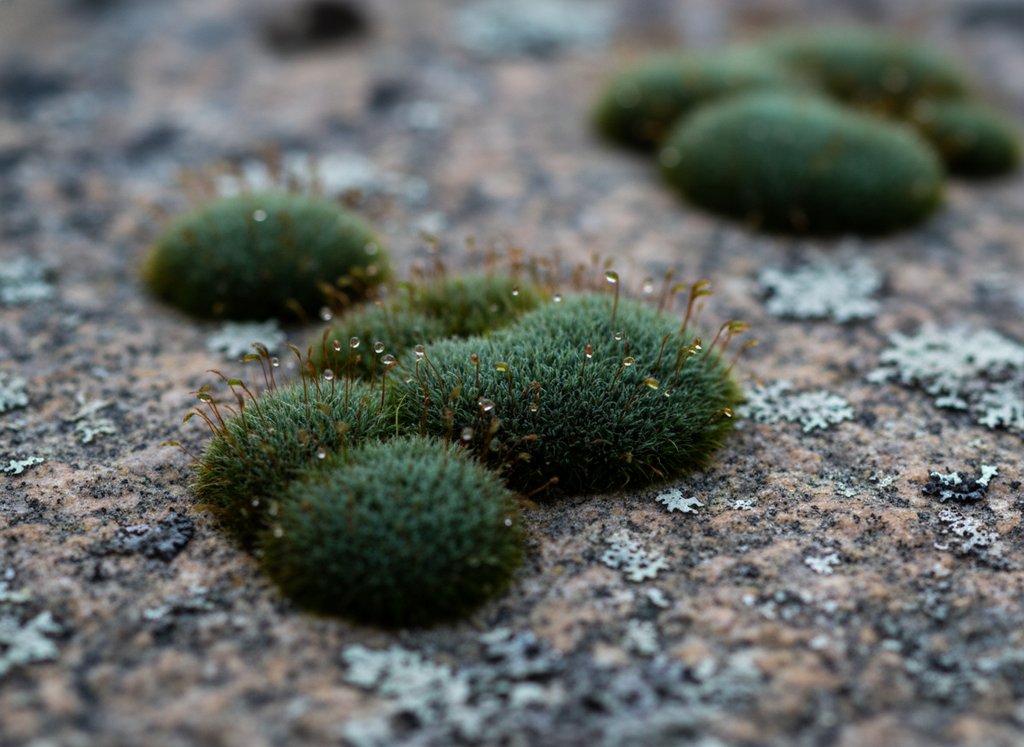
Frequently Asked Questions
Q: Is IHS only found on Catholic headstones?
A: No, but it’s most common on Catholic and some Anglican or Lutheran stones. I’ve seen it on a few Methodist graves too, but less frequently. If you’re in an old Catholic cemetery, you’ll spot it everywhere.
Q: Can I use bleach to clean an IHS monogram on granite?
A: Please don’t. Bleach is harsh and can damage the stone’s surface over time, plus it kills nearby plants and soil. For granite, a pH-neutral cleaner like D/2 is safer and just as effective. Skip the bleach.
Q: Does IHS ever appear on Jewish or Muslim headstones?
A: Almost never. It’s a specifically Christian symbol. If you see it on a headstone, you can be 99% sure the person was Christian. The only exception might be a convert or a mixed-faith family, but that’s rare.
Q: Why is the H sometimes written with a cross through it?
A: That’s a variation called the "Christogram with cross." The cross through the H emphasizes Jesus’ sacrifice, it was especially popular in the 17th and 18th centuries. Some people call it the "IHS cross." It’s a powerful design.
Q: What’s the best way to photograph IHS on a weathered headstone?
A: Wait for overcast light or early morning — direct sun washes out the carving. Use a soft brush to gently dust off dirt (no water if the stone is fragile). Then shoot from a low angle with the sun behind you. Sometimes rubbing a piece of chalk lightly over the letters helps them pop in photos, but test on a hidden spot first.