
Irish Catholic Cemetery Visits: Whiskey, Stories, and a Soft Brush for Granny's Stone
headstone cleanning in Massachusetts | headstone cleaning in Boston Massachusetts
I remember the first time I brought my wife to visit her grandmother's grave in a small Irish Catholic cemetary outside Scranton, it was a gray October morning, the kind where the mist hangs low and the grass is wet enough to soak through your shoes in ten seconds flat. Her aunt Mary was already there, kneeling on the damp ground with a bottle of Jameson in one hand and a well-used toothbrush in the other. She poured a splash of whiskey on the granite—not for cleaning, she said, but for Granny—then she looked up at me and said, 'David, if you ever use bleach on this stone, I'll haunt you worse than any ghost in this yard.' That stuck with me. Took me years to learn why she was right.
That day changed how I see cemetery visits. It's not just about tidying up a headstone. It's about the ritual, the stories, the connection. And for Irish American families, those visits are packed with traditions that go back generations. But here's the thing: most of us are doing the cleaning part wrong. Not out of disrespect, just out of not knowing. So let me walk you through what I've learned from a decade of volunteering in old Catholic cemeteries—what to bring, what to skip, and why Granny's stone deserves a soft brush and a little patience.
The Real Irish American Grave Visiting Customs You'll See
If you've ever been to an Irish Catholic cemetery on a Sunday after Mass, you know it's not a quiet place. People talk. They laugh. They argue about who's making the colcannon for Easter. The graves aren't just markers—they're gathering spots. I've seen families spread out a picnic blanket next to a headstone, pour a Guinness into the grass, and tell stories for two hours straight. The whiskey-on-the-grave thing? It's real, but it's not for cleaning. It's a toast. A way of saying, 'We're still here, and we remember.' Some folks leave coins—pennies from the old country, or a quarter for good luck. Others leave rosaries or small statues of Mary. The point is, the grave becomes a place of living memory, not just a monument.
And the cleaning? That's part of the ritual too. But the old ways—vinegar, baking soda, even bleach—those can wreck a stone. I've seen names eaten away by years of harsh scrubs. What works is a soft brush, water, and a gentle cleaner that won't strip the patina or crack the marble. The goal isn't to make it look new. It's to make it readable, respectable, and loved.
What to Bring (And What to Leave at Home)
Let me save you some heartache. I've made every mistake in the book. First trip out, I brought a wire brush. Big mistake. Never again. Here's my go-to kit:
- A soft-bristle brush (nylon or horsehair, nothing metal). I use a cheap 2-inch paintbrush from the hardware store—works perfect.
- A bucket of distilled water. Tap water has minerals that can leave stains on limestone.
- A pH-neutral, non-ionic cleaner. The standard in cemetery preservation is D/2 Biological Solution. It kills moss and lichen without eating the stone. Costs about $30 a gallon, but a little goes a long way.
- A spray bottle for the cleaner.
- A plastic scraper for thick moss (never metal).
- A notebook and pencil. I jot down epitaphs or carvings that are fading. Sometimes the stories are half-buried in the dirt.
What to leave home: bleach, vinegar, ammonia, any acid-based cleaner, pressure washers, wire brushes, steel wool. Those are stone killers. Marble is soft—it's basically compressed calcium carbonate. Acid turns it into powder. I've seen it happen. It's ugly.
Step-by-Step: Cleaning Granny's Stone the Right Way
Alright, you're at the grave. You've got your kit. Here's the routine, slow and careful.
First, wet the stone with distilled water. Don't soak the ground—just the face. Let it sit a minute. This loosens loose dirt and prevents the cleaner from drying too fast.
Second, spray on the D/2. Don't drown it. A light coat is enough. Let it sit for five to ten minutes. You'll see the moss start to bubble or turn orange. That's the cleaner working.
Third, gently scrub with the soft brush. Use circular motions, light pressure. If you're hitting stubborn lichen, let the cleaner sit longer. Don't dig in. Patience beats force every time.
Fourth, rinse with distilled water. Use a spray bottle or a gentle pour. No pressure washer. No hose with a jet nozzle. Just a soft flow.
Fifth, step back. If the stone's still dirty, repeat the proccess. I've done three rounds on one stone. Took an hour. Worth it. The name came out clear as the day it was carved.
One more thing: never clean a stone that's flaking or crumbling. That's a job for a pro. You can cause more damage. If the stone is unstable, just leave it alone and take photos for a conservator.
Why Whiskey Stays, and Stories Matter More Than Polish
I've cleaned maybe two hundred stones over the years. The ones that stick with me aren't the shiniest. They're the ones where I found a message carved on the back, or a tiny handprint pressed into the wet cement. Once, I found a 1920s grave with a faded inscription: 'She fed the hungry.' No name left visible. But that line told me everything.
So when you visit an Irish Catholic cemetery, don't stress about making the stone look like new. That's not the point. The point is the ritual—the whiskey, the stories, the soft brush. You're not a janitor. You're a keeper of memory. And memory doesn't need bleach. It needs care, a little time, and maybe a splash of Jameson for the road.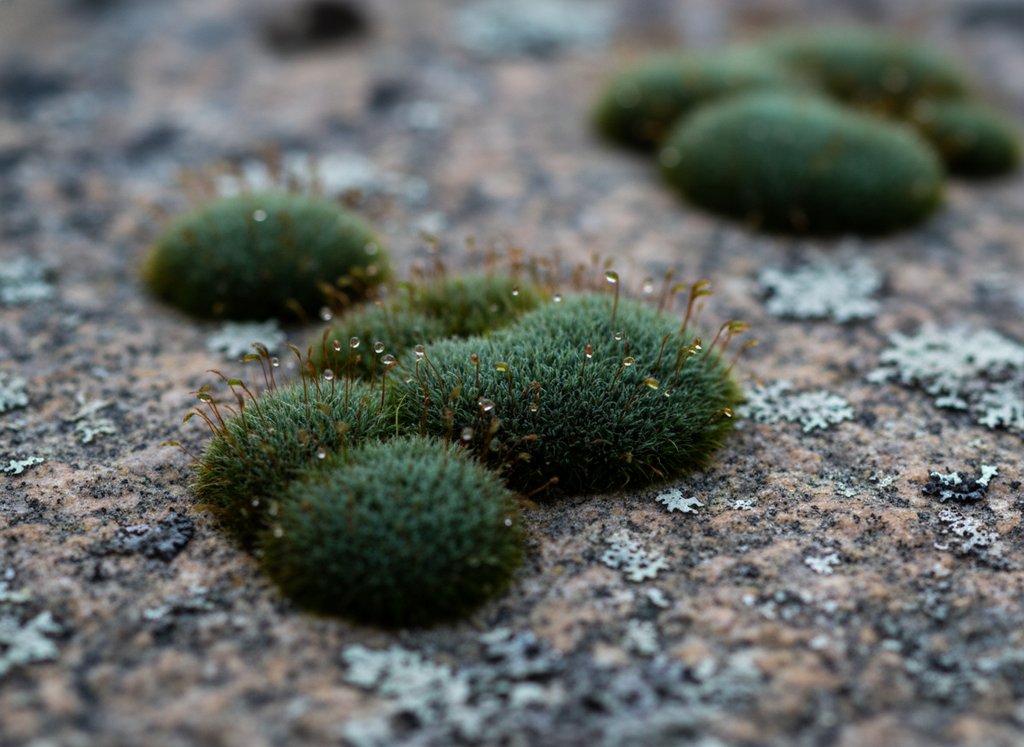
Frequently Asked Questions
Q: Is it okay to pour whiskey directly on a headstone?
A: Yes, but don't use it as a cleaner. A small splash as a toast is fine—it evaporates quickly and won't harm most stone. But if the stone is porous like sandstone, the alcohol could draw out salts. Stick to granite or marble for the whiskey ritual. And never pour it on a cracked or flaking stone.
Q: Can I use a pressure washer on an old Irish Catholic cemetery headstone?
A: No. Never. Pressure washers can blast away the surface of soft stones like marble and sandstone, erasing carvings and letters. Even on granite, they can force water into cracks that freeze and expand in winter. Stick to a soft brush and a bucket. It's slower, but it's safe.
Q: What's the best way to remove moss from a headstone without damaging it?
A: Use a biological cleaner like D/2. Spray it on, let it sit, then gently scrub with a soft nylon brush. Moss roots are shallow—they'll come off with patience. Avoid scraping with metal tools. If the moss is thick, you can use a plastic putty knife to lift it after the cleaner softens it.
Q: Do Irish American families have any special traditions for cleaning graves on certain holidays?
A: Absolutely. Many families clean graves before Easter, Memorial Day, or All Souls' Day (November 2). Some also do a 'spring cleaning' after the snow melts. You'll often see flowers—real or artificial—left on the grave, along with small tokens like stones or coins. The cleaning itself is often a family affair, with multiple generations working together.
Q: What should I do if a headstone is too damaged to clean safely?
A: Don't touch it. Take clear photos of the damage and contact the cemetery office or a local preservation group. Many Catholic cemeteries have a list of approved conservators. You can also report the condition to the Association for Gravestone Studies. Sometimes the best help is just documenting what's there before it gets worse.