Beyond the Stones We Leave: Yahrzeit, the Unveiling, and Visiting a Jewish Grave
headstone cleaning in New York | headstone cleaning in Florida
I remember the first time I saw a Jewish unveiling. It was a cold November morning in 2009, and I was pulling dead leaves off a forgotten grave near the back wall of Beth El Memorial Park. I heard voices, then a small crowd gathered around a stone that was still wrapped in a white cloth. A rabbi said a few words, and then someone—I think it was the grandson—pulled the cloth away. The stone was this gorgeous polished granite, deep black with gold lettering. And the family just stood there, some crying, some smiling. I'd been volunteering at that cemetary for five years by then, and I thought I'd seen it all. But that moment hit me different. It wasn't about the stone. It was about the waiting. The stone had been there for months, covered, silent, like it was holding it's breath. And then, with that one pull, it was finally introduced to the world. That's when I started really paying attention to Jewish grave customs. Because a headstone isn't just a name and a date. It's a doorway. And the customs around it—Yahrzeit, the unveiling, the visiting—they're not just rituals. They're how we keep that doorway open. So if you're here because you're trying to figure out what to do for a loved one's grave, or you're just curious about Jewish traditions, I hope this helps. I've been cleaning stones here for 15 years, and I've learned a thing or two about what happens beyond them.
What Is a Yahrzeit? (And Why It Matters at the Grave)
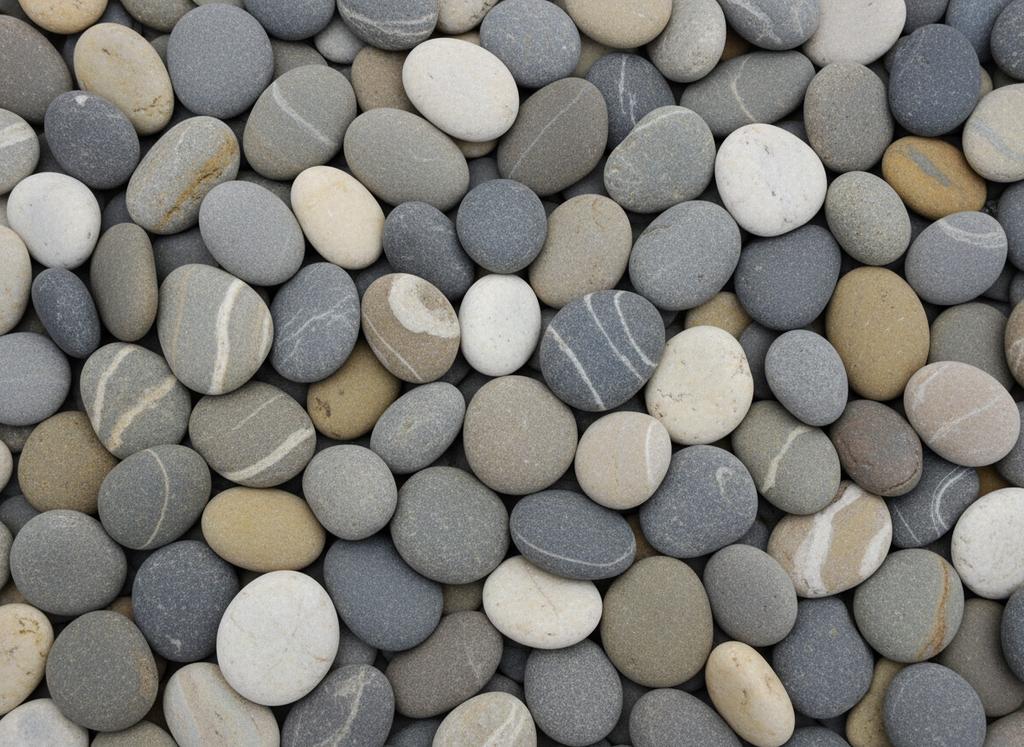
Yahrzeit is the Yiddish word for 'time of year.' It's the anniversary of a person's death, observed according to the Hebrew calendar. Every year on that date, family members light a 24-hour memorial candle at home, say Kaddish (the mourner's prayer) in synagogue, and often visit the grave. Now, here's the thing I've noticed over the years: alot of people think Yahrzeit is just about the candle. But the grave visit is just as importent. I've seen families show up on a Tuesday afternoon, no fanfare, just a little prayer and maybe leaving a small stone on the headstone. That's the custom—placing a pebble or a stone on the grave. No flowers, no wreaths. Just a stone. Why? Some say it's because stones last forever, unlike flowers. Others say it's a way of saying, 'I was here, and I remember.' I like that. It's simple. It's honest. And when I'm cleaning a headstone and I find a little stone balanced on top, I know someone's been there. It's a quiet hello from across time.
The Unveiling: When the Stone Gets Its Voice
The unveiling is the ceremony where the headstone is formally dedicated. It usually happens within the first year after the death, often around the 11th or 12th month. The stone is covered with a cloth or a veil—sometimes a simple white sheet, sometimes a more formal cover. The family gathers, a rabbi or a leader recites prayers, and then someone removes the covering. That's the big moment. I've cleaned stones right before unveilings. Took me three tries to get the timing right once. Showed up too early and the family wasn't there yet; showed up too late and they'd already done it. Third time was just right. I used D/2 Biological Solution—it's a pH-neutral cleaner that's safe for granite, marble, and limestone. Let it sit for about 10 minutes, then scrubbed gently with a soft-bristle brush. Never use wire brushes or anything abrasive. I've seen too many stones ruined by someone thinking a steel brush would get the lichen off faster. Big mistake. That stuff scratches the polish, and then the stone just looks dull forever. The unveiling is when the stone becomes a permanent marker, not just a hunk of rock. It's the moment the community says, 'This person's name will not be forgotten.'
Visiting a Jewish Grave: The Do's and Don'ts I've Learned
Over 15 years, I've watched hundreds of visitors. Some things are universal. First: dress modestly. That means covered shoulders for women, a head covering (kippah or hat) for men, especially if you're saying Kaddish. Second: no flowers. I know, it feels weird if you're used to leaving lilies or roses. But Jewish tradition says flowers are for the living. Instead, leave a small stone. I keep a little bag of river stones in my car for people who forget. Third: don't walk directly over graves. Walk around them. It's a sign of respect. And fourth: if you're visiting for Yahrzeit, it's okay to say a personal prayer or just sit in silence. I've sat with people who didn't speak for 20 minutes. That's fine. The grave doesn't need words. It needs presence. One thing I always tell folks: if the stone has moss or lichen, don't try to scrape it off with a knife or a pressure washer. That will damage the stone. Use a gentle cleaner like D/2, or just leave it. Some families like the moss. They say it shows the stone is alive, part of the earth. I think that's beautifull, honestly.
Caring for a Jewish Headstone: What I've Learned from 15 Years of Volunteering
I clean headstones because nobody pays me to. I do it because it matters. And I've learned that Jewish headstones have some specific needs. Most are granite or marble. Granite is tough—you can use a non-ionic cleaner like D/2 without worrying too much. Marble is softer. It's porous, and it reacts badly to acids. So skip the vinegar, skip the lemon juice, skip anything that says 'harsh household chemical.' I use a bucket of water, a soft brush, and D/2. That's it. For lettering that's filled with gold or black paint, be extra gentle. The paint can chip off if you scrub too hard. And never, ever use a pressure washer on a stone with painted letters. I watched a guy do that once. Took the paint right off. He felt terrible. The stone had to be re-engraved. Cost the family hundreds. Another thing: check for cracks. If a stone has a crack, water gets in, freezes, and makes it worse. I report cracks to the cemetery office right away. They can sometimes seal it. But don't try to DIY that with caulk or epoxy. Leave it to the pros. And if you're visiting and you see a stone that's leaning, tell someone. A leaning stone is a sign the ground has shifted. It can fall over and break. I've seen it happen. Broke my heart.
Why These Customs Matter (Even If You're Not Jewish)
I'm not Jewish. I'm a retired Methodist schoolteacher who just likes keeping things tidy. But I've learned that these customs aren't about religion. They're about memory. The Yahrzeit candle burns for 24 hours and then goes out. The unveiling cloth is pulled away and never comes back. The stones left on the grave eventually get blown off or swept away. But the act of doing it—that stays. I've seen families come back year after year, leaving a new stone each time. I've seen a grandfather teach his grandson how to place a stone just so. I've seen a woman sit by her mother's grave and read a letter out loud every Yahrzeit for ten years. She didn't care if anyone heard. She just needed to say it. That's what these customs do. They give us a way to keep talking to the people we've lost. And if you're here because you're doing research for a headstone, or you're planning an unveiling, or you just want to know what to do when you visit, my advice is simple: be present. Be respectful. And if you see a dirty stone, maybe give it a gentle wipe with a damp cloth. That's not in any religious text. But it's what I do. And I think it helps.
Frequently Asked Questions
Q: What exactly is the difference between a Yahrzeit and an unveiling?
A: Simple: Yahrzeit is the annual anniversary of the death, observed every year. The unveiling is a one-time ceremony that happens within the first year after death, usually around 11 or 12 months, where the headstone is officially dedicated and the cloth is removed. You're supposed to visit the grave on Yahrzeit, but you only do the unveiling once.
Q: Can I leave flowers on a Jewish grave, or is it really just stones?
A: Traditionally, Jewish graves get stones, not flowers. The reason is that stones are permanent, like memory, while flowers wilt. But I've seen families leave flowers anyway, especially in the first year. No one's going to yell at you. But if you want to follow custom, bring a small pebble or stone. If you forget, most cemeteries have a little pile near the entrance.
Q: How do I clean a headstone with Hebrew lettering without damaging it?
A: Very carefully. Hebrew lettering is often painted or gilded. Use a pH-neutral cleaner like D/2 Biological Solution. Spray it on, let it sit for 10 minutes, then gently scrub with a soft-bristle brush (a nylon brush works great). Rinse with water from a spray bottle—no pressure washer. Never use bleach, vinegar, or any acid-based product. The paint can peel off in sheets if you're too aggressive.
Q: Do I need a rabbi for an unveiling?
A: No, but it's common to have one. The service is short—just a few psalms, the El Malei Rachamim prayer, and the Kaddish. If you don't have a rabbi, a family member can lead it. There are printed pamphlets with the prayers. I've seen families do it themselves and it was beautiful. The key is the removal of the cloth. That's the moment.
Q: Is it okay to visit a Jewish grave on Shabbat or a holiday?
A: Technically, traditional Jewish law discourages visiting graves on Shabbat and major holidays like Yom Kippur or Passover. But in practice, many people do it anyway, especially if the Yahrzeit falls on one of those days. If you're not sure, check with the cemetery office. I've seen plenty of visitors on Saturdays. The cemetery doesn't close. Just be mindful.