How My Mexican-American Family Tends Graves All Year, Not Just for the Dead
headstone cleaning in Texas | headstone cleaning in New York
I still remember the first time my Tía Rosa handed me a bucket of warm water and a soft-bristled brush at Abuelo’s grave in East L.A. I was maybe twelve, and I thought we were just cleaning up for Día de los Muertos. But she shook her head and said, "Mija, this isn't just for the dead. This is for us. Every month, we come." And she meant it. For my family, grave tending isn't a once-a-year task. It's a year-round rhythm. We show up in the rain, in the brutal summer heat, on random Tuesdays. And that’s how I learned what real remembrance looks like.
Now I’m a professional genealogist and headstone cleaner. I’ve worked on hundreds of graves across California, Texas, and New Mexico. And I see the same pattern in other Mexican-American families: the constant care, the quiet rituals, the refusal to let the dead be forgotten. It’s not about one big holiday. It’s about showing up, again and again. So let me walk you through what that looks like — and how you can do it right, without ruining the stone.
The Year-Round Rhythm: Why We Don’t Wait for Día de Muertos
In my family, we visit at least once a month. Sometimes more. My mom goes every Sunday after Mass. My cousin Lupita stops by on her way home from work. It’s not dramatic. She just pulls weeds, wipes off dust, and sits for a few minutes. The point is consistency.
This isn’t unique to us. I’ve seen it in dozens of families. The grave gets visited on birthdays, anniversaries, Mother’s Day, Christmas, and just because. The idea that you only tend a grave once a year feels wrong to us. It’s like only calling your living mom on her birthday. The dead are still part of the family. So you maintain that connection.
The practical side? If you wait a full year, dirt and biological growth (moss, lichen, algae) get a real foothold. It’s way harder to clean. Regular light maintenance — a gentle wipe with water and a soft cloth, maybe a quick brushing with a natural-bristle brush — keeps the stone looking good and prevents long-term damage. I tell people: five minutes a month saves you five hours in November.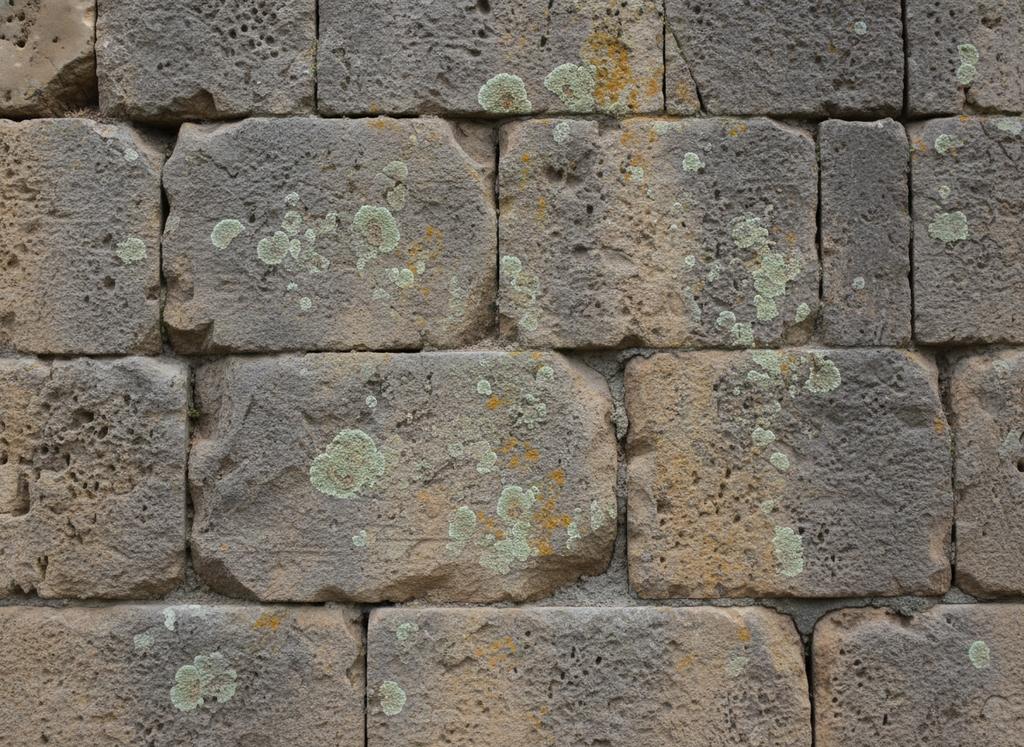
The Right Tools for the Job (and What to Never Touch)
Okay, let’s get real about cleaning. I’ve seen so many graves ruined by well-meaning people with bleach and wire brushes. Please don’t be that person.
Here’s what I use and recommend:
- Soft-bristle brushes (natural horsehair or nylon — never metal)
- Plastic or wooden scrapers for stubborn dirt (never metal)
- pH-neutral, non-ionic cleaner. My go-to is D/2 Biological Solution. It’s what professional conservators use. It kills biological growth slowly over weeks without damaging the stone. You spray it on, walk away, and let the sun do the work. Takes about 2-4 weeks to see full results.
- Distilled water if your tap water is hard (mineral deposits can stain)
- Soft microfiber cloths for drying
And here’s the hard no list:
- No bleach, ammonia, or any harsh household chemicals
- No acids (that includes muriatic acid, vinegar, lemon juice — all bad news)
- No wire brushes or steel wool
- No pressure washers (even on low setting, they can erode soft stone)
- No sandblasting or abrasive pads
I once had a client whose grandson pressure-washed his grandmother’s 1920s marble headstone. It looked like a sandblasted mess. Pitted, rough, the inscription barely readable. Cost thousands to try to fix. Never again.
What We Bring: Ofrendas, Flowers, and the Stuff That Matters
Grave tending isn’t just about cleaning the stone. It’s about what you leave behind. My family’s tradition is simple but specific: fresh marigolds (cempasúchil), a small candle in a glass jar, and a photo of the person. Sometimes pan de muerto if it’s November. My Tío Beto always leaves a can of Coke for his dad. I don’t question it.
The key is to keep it manageable. Plastic flowers fade and look sad after a month. Fresh flowers last a week, maybe two. So we bring them in small bunches, not huge arrangements. And we always remove the old ones — nothing worse than a pile of dead petals and wilted stems.
Some families bring food, but I always tell people: be smart about it. Leftover tamales attract ants and rats. Leave food in sealed containers, and take it home after a day or two. My cousin once left a whole plate of enchiladas. Three days later, the grave was covered in ants. Big mistake.
And candles? Use glass votives with lids. The wind in most cemeteries is brutal. I’ve seen so many cheap plastic candle holders knocked over, melting into the grass. A good glass votive with a snug lid stays lit and doesn’t leave a mess.
The Practical Schedule: What to Do Each Season
Grave tending year-round means adjusting your routine to the wheather. Here’s my family’s loose schedule:
Spring (March-May): Major clean-up after winter. Rains leave behind dirt and mud splashes. I do a full D/2 treatment now. Also check for frost damage — small cracks can appear. If you see any, don’t try to fill them yourself. Call a professional.
Summer (June-August): Heat and sun dry everything out. Mainly just dusting and watering any plants you’ve put in. I also reapply D/2 if I see algae coming back. Usually just a spot treatment.
Fall (September-November): The big season. Pre-Día de Muertos cleaning. I do another full D/2 spray in September so it’s all clear by October 31. Then we add decorations. After the holiday, we clean up again — remove all food, flowers, candles. Don’t leave them to rot.
Winter (December-February): Minimal. Just rain and cold. I check for fallen branches or debris. Maybe wipe the stone dry after a storm if I’m there. But honestly, I mostly let nature do it's thing. The dead can handle a little rain.
Pro tip: write reminders on your phone. I set a monthly alarm that says "Grave visit?" It takes two seconds, and it keeps me from forgetting.
Why This Matters: It’s Not Just Maintenance, It’s Connection
People ask me why I do this work. The money is okay, but it’s not great. The real reason is that I beleive tending a grave is an act of love. It’s physical. You’re using your hands, your time, your attention. In a world where we scroll past photos of the dead on social media, actually showing up at a cemetary feels real.
For Mexican-American families, this is baked into our culture. We don’t see death as an end. We see it as a continuation. The grave is a home for the body, a place where the spirit can still be visited. Keeping it clean and beautiful is a way of saying, "I remember you. You are still part of my life."
I’ve had clients cry when I show them the cleaned stone. Not because it looks better, but because they feel like they’ve honored their loved one properly. That’s what matters. Not the perfection of the stone, but the intention behind the work.
So if you’re reading this and thinking, "I should visit my grandmother’s grave more often," just do it. Don’t wait for a holiday. Go on a random Tuesday. Bring a rag and some water. Sit for a minute. Say her name out loud. That’s the tradition that keeps the dead alive.
Frequently Asked Questions
Q: Can I use vinegar to clean a headstone?
A: No. Vinegar is acidic and will etch and damage many types of stone, especially marble and limestone. Always use a pH-neutral cleaner like D/2 Biological Solution. It’s safe and designed for this purpose.
Q: How often should I clean a grave if I want to follow Mexican-American traditions?
A: Most families visit at least once a month. A light cleaning (wiping dust, pulling weeds) takes five minutes. A deeper clean with D/2 can be done once or twice a year, typically in spring and before Día de Muertos.
Q: What’s the best way to remove lichen or moss from a headstone without damaging it?
A: Apply D/2 Biological Solution directly to the growth. It kills the organisms over several weeks. Don’t scrape aggressively — let the solution do the work. For stubborn spots, use a soft-bristle brush with water after the D/2 has had time to act.
Q: Is it okay to leave food at the grave for Día de Muertos?
A: Yes, but be smart about it. Use sealed containers. Remove food after 24-48 hours to avoid attracting pests. Many families leave food for one day and then take it home or compost it. It’s the gesture that matters, not how long it sits.
Q: My family’s grave has a flat bronze marker. Can I clean it the same way as a stone headstone?
A: Bronze markers need different care. Use a soft cloth and water only. No cleaners — many contain chemicals that can react with the bronze’s patina. If it’s really dirty, contact a professional. Bronze is delicate and expensive to fix.