The NCPTT Headstone Guidelines, Explained in Plain English
headstone cleaning in New York | headstone cleaning in Florida
I remember my first headstone cleaning like it was yesterday, it was a hot July morning in 2019 at the old Oak Hill Cemetary in New Hampshire. I was fresh off a YouTube tutorial and thought I knew everything. I sprayed down this beautifull 1850s marble marker with a garden hose, scrubbed it with a stiff nylon brush, and watched in horror as the lichen just smeared into a greenish-gray paste. Took me three tries with different brushes. Worth it in the end, but man, I learned the hard way why the pros follow the NCPTT guidelines.
So what's the NCPTT? It's the National Center for Preservation Technology and Training—a branch of the National Park Service. They spent years testing what actually works on old gravestones without wrecking them. Their headstone cleaning guidelines are the gold standard. Problem is, the official PDF reads like a government grant proposal. I'm here to translate it into plain English. No jargon. No footnotes. Just what you need to know to clean a headstone right.
The Golden Rule: Start Soft, Go Slow
The NCPTT guidelines hammer this home: you can't undo damage. So the first thing they tell you is to start with the gentlest method possible. That means plain water and a soft brush. I'm talking a natural-bristle brush—horsehair or similiar. Not a wire brush. Not a scrub pad. Not a pressure washer. Just water and elbow grease.
If that doesn't work, you move up to a pH-neutral, non-ionic cleaner. The one they tested and recommend most often is D/2 Biological Solution. It's a little pricey—about $30 a gallon—but a gallon goes a long way. I've cleaned maybe 40 stones with one bottle. The key is letting it sit for 5–10 minutes before rinsing. Don't let it dry on the stone.
Big mistake people make: thinking stronger cleaner equals faster results. It doesn't. It just etches the surface. The NCPTT tested bleach, ammonia, and a bunch of harsh household chemicals. Every single one caused damage over time. Stick with what's proven.
What to Never, Ever Use
This is the part where I get blunt. The NCPTT guidelines list specific things to avoid. Here's the short list:
- Skip harsh household chemicals. They react with the stone and cause pitting or discoloration.
- Avoid abrasive tools like wire brushes, steel wool, or sandpaper. They scratch the surface and make it easier for biological growth to return.
- Steer clear of strong acids or alkaline cleaners. They can eat away the stone's surface, especially on softer types.
- Never use a pressure washer on fragile stone. Even on a low setting, it can blast away the surface layer. I've seen it happen. Not pretty.
One time, a well-meaning volunteer showed up with a bottle of something called "Stone Bright." Said it worked great on his driveway. I talked him out of it. That stuff is for concrete, not a 200-year-old slate tablet. Stick to the soft stuff.
Step-by-Step: How the NCPTT Says to Do It
Alright, here's the actual procedure from the guidelines, simplified:
- Pre-wet the stone. Use a garden sprayer or a gentle hose nozzle. This prevents the cleaner from soaking in too fast.
- Apply the cleaner. Spray D/2 or similar pH-neutral cleaner from the bottom up. This avoids drip lines.
- Let it dwell. Wait 5–10 minutes. Not longer than 15. You want it to work, not dry out.
- Gently scrub. Use a soft brush in a circular motion. Start at the bottom and work up. Rinse your brush often in a bucket of clean water.
- Rinse thoroughly. Spray from the top down until all cleaner is gone. Any residue left behind can attract dirt.
- Let it air dry. Don't wipe it. Just walk away.
That's it. The whole process takes about 20 minutes per stone. I've done dozens this way. No damage. No regrets.
And here's a pro tip the NCPTT doesn't mention: take before and after photos. It's great for your records and helps you see progress on stubborn stains.
Why Stone Type Matters More Than You Think
The NCPTT guidelines break cleaning methods down by stone type because not all rock is the same. Marble is soft and porous. Granite is hard but can still stain. Sandstone is fragile and crumbles easily. Slate is dense but can flake.
Here's the rule of thumb: the softer the stone, the gentler you need to be. Marble and limestone are the most delicate. They react badly to acidic cleaners. Even too much scrubbing can wear them down. Granite can handle a bit more pressure, but you still use the same soft approach.
I once cleaned a sandstone marker from the 1700s. The surface was so friable you could scratch it with a fingernail. I used only water and a very soft brush. Took an hour. But I didn't lose any of the original carving. That's the win.
If you're not sure what type of stone you're dealing with, do a simple test: wet a small area and see how fast it absorbs. If it drinks up the water in seconds, it's porous and delicate. If it beads up, it's denser. Adjust your technique accordingly.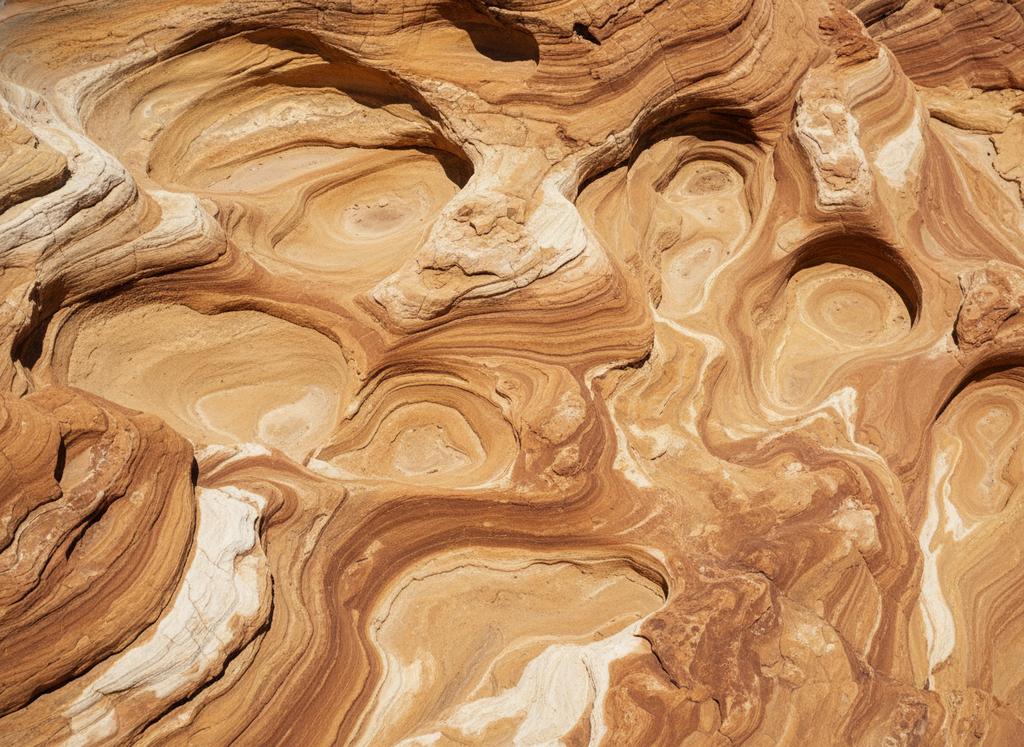
Frequently Asked Questions
Q: Can I use vinegar or baking soda on a headstone?
A: No. Vinegar is acidic and will etch marble and limestone. Baking soda is abrasive and can scratch softer stones. The NCPTT guidelines specifically warn against household cleaners. Stick with pH-neutral, non-ionic products like D/2.
Q: How often should I clean a headstone?
A: The NCPTT recommends cleaning only when biological growth (lichen, moss, algae) is visible and causing damage. Over-cleaning wears the stone down. Once every 3–5 years is typical for most stones. If you're in a humid area, maybe more often. But less is more.
Q: Is it safe to use a pressure washer on granite headstones?
A: The NCPTT says no. Even on granite, a pressure washer can dislodge loose pieces, drive water into cracks, and strip away patina. A gentle garden hose with a spray nozzle is all you need. Trust me—I've seen a pressure washer blast a flake off a 1920s granite marker.
Q: What if the headstone has gold leaf or painted lettering?
A: Don't touch it. The NCPTT guidelines say to avoid cleaning any area with paint, gilding, or inlay. Water and scrub brushes will lift the paint. If you need to clean the stone around it, mask off the lettering with plastic and tape, and be extremely careful. Better yet, call a professional conservator.
Q: Do I need to get permission before cleaning a headstone?
A: Yes, always. The NCPTT emphasizes that you must get written permission from the cemetery or the family before cleaning. Many cemeteries have their own rules. Some ban cleaning altogether. I always check in with the sexton or office first. It's common courtesy and avoids legal trouble.