New England Freeze-Thaw: Protecting Old Slate and Marble Markers
headstone cleanning in New York | headstone cleaning in Florida
I remember my first winter volunteering at Oak Hill Cemetary, it was 2008, and I’d just finished cleaning a lovely 1840s slate marker for a sea captain named Ephraim. Took me three hours. Used a soft brush and water, nothing fancy. I was so proud. Then came January. A week of snow, then a thaw, then another freeze. Come March, I found a crack running right through his name. My heart just sank. I’d done everything right—or so I thought. But I hadn’t sealed the stone properly after cleaning, and moisture got in. That crack taught me more than any book could.
See, New England wheather isn’t just cold. It’s a relentless cycle of freeze and thaw, freeze and thaw. Water seeps into tiny pores in slate and marble, expands when it freezes, and pries the stone apart. Over time, it can turn a crisp inscription into a blurry mess—or worse, split a stone clean in two. I’ve been caring for these old markers for 15 years now, and I want to share what I’ve learned. This isn’t about fancy equipment or expensive products. It’s about being patient and knowing how water behaves.
Why Freeze-Thaw Wreaks Havoc on Slate and Marble
Slate and marble are both porous stones. Slate’s a bit denser, but it still has tiny layers—like a stack of paper. Water gets between those layers. When it freezes, it expands by about 9%. That’s enough force to split rock. Marble is even worse. It’s soft and full of microscopic cracks from it's metamorphic formation. Water loves those cracks. I’ve seen marble markers turn to powder after just a few bad winters. The key is keeping water out. That means keeping the stone dry and stable. Big mistake? Using a pressure washer. I watched a volunteer do that once. Blasted a chunk right off a 1700s slate. Never again.
Cleaning in Late Spring, Not Fall
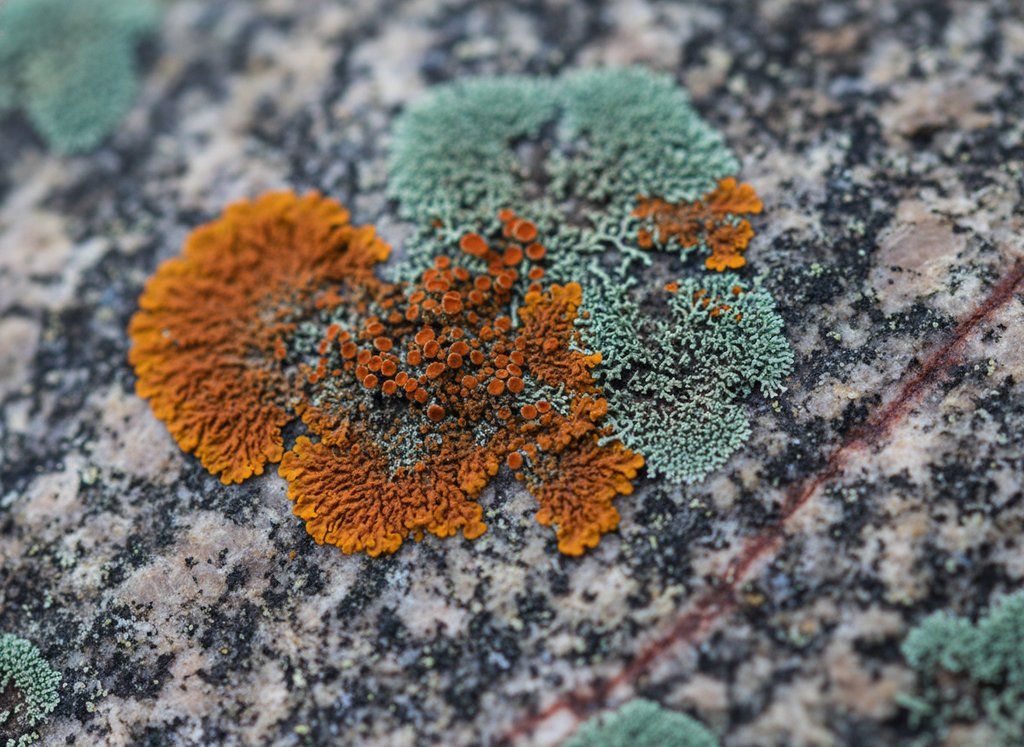
I only clean markers between May and September. Why? Because the stone needs time to dry out completely before the first freeze. If you clean in October, that moisture gets trapped. Then November hits, and boom—frost damage. I aim for a stretch of warm, dry days. At least three in a row. I use a soft natural-bristle brush and plain water first. If there’s biological growth—lichen, moss, that sort of thing—I use D/2 Biological Solution. It’s a pH-neutral, non-ionic cleaner that’s safe for old stone. Spray it on, let it sit for 10 minutes, then rinse with a gentle spray from a garden hose. No pressure. Just a light shower. I’ve used it on a dozen markers here. Works like a charm.
The Drying Game: Patience Is Everything
After cleaning, the real work starts. I let the stone dry for at least a week. Longer if it’s humid. I check it by pressing a clean paper towel against it. If it comes away damp, it’s not ready. I’ve waited two weeks before. Worth it. Some folks use heat guns or hair dryers. Don’t. That can shock the stone and cause cracks. Just let nature do its thing. And never, ever apply any sealer or coating. That traps moisture inside. I learned that the hard way on a slate marker back in 2010. Sealed it, thought I was smart. Next spring, the surface flaked off like an onion.
Winter Prep: What to Do and Not Do
There’s not much you can do once winter hits. But a few things help. First, make sure the marker is stable. If it’s leaning, water pools on the surface. I prop up tilting stones with small wooden wedges—never metal, which can rust and stain. Second, clear away fallen leaves and debris. They hold moisture against the stone. Third, if the cemetery allows it, I lay a thin layer of coarse gravel around the base. Helps drainage. What I never do? Cover the marker with plastic or tarps. That creates a greenhouse effect. Moisture condenses inside, freezes, and does more damage than snow ever could. Snow is actually a good insulator. Let it sit.
When to Call a Pro (And When to Walk Away)
I’m just a volunteer. I don’t touch broken stones. If a marker has a crack wider than a hairline, or if pieces are loose, I call a professional conservator. There’s a woman in Concord who does amazing work with epoxy and stone pins. Costs money, but it saves history. For marble that’s started to powder—what we call sugaring—there’s no fix. Cleaning just makes it worse. I leave those alone. I mark them on my map and note the condition. Sometimes the best care is no care. Just document it and let it rest.
Frequently Asked Questions
Q: Can I use a wire brush on a slate marker to get off lichen?
A: No, no, no. A wire brush will scratch slate and marble permanently. The scratches then hold more water, which freezes and expands. You end up with a rough surface that looks terrible and decays faster. Stick to a soft nylon or natural bristle brush. I use a horsehair brush I bought at an antique store. Works great.
Q: Is it safe to use dish soap to clean old headstones?
A: I wouldn’t. Most dish soaps have degreasers and fragrances that leave a residue. That residue can trap moisture or attract biological growth. Plain water is best. If you need something stronger, use a dedicated stone cleaner like D/2. It’s designed to rinse clean without leaving anything behind.
Q: How do I know if a marker is slate or marble?
A: Run your finger over the surface. Slate feels smooth and slightly waxy, almost like a chalkboard. Marble feels more granular, like sugar. Slate is usually dark gray or black. Marble is white, gray, or veined. If you’re still unsure, look at the edges. Slate splits in thin, even layers. Marble is more solid. But when in doubt, treat it like marble—delicate.
Q: What should I do if a marker has a crack already?
A: Leave it alone. Don’t poke at it or try to fill it with anything. Filling a crack with caulk or epoxy traps water inside, which makes the freeze-thaw damage worse. Just keep the crack clean of dirt and debris. If the stone feels loose, contact a professional conservator. They can stabilize it without making things worse.
Q: Can I use a pressure washer if I keep it on low?
A: I strongly advise against it. Even on low, the force can erode soft marble or push water into cracks in slate. I’ve seen it happen. The water jets find weak spots and blast them open. Stick to a garden hose with a gentle spray nozzle. It’s slower, but it’s safer. Trust me, I’m in no hurry.