The Pink Film on My Headstone: What It Is and How I Cleared It
headstone cleaning in California | headstone cleaning in Texas
Last spring, I was out in the old St. Mary's cemetary near my hometown, documenting a row of 1880s marble headstones for a client. I knelt down to photograph a beautifull white monument for a woman named Eliza, and I noticed it right away — a weird, powdery pinkish film coating the base and creeping up the letters. At first I thought someone had spilled something. Maybe a kid with a pink marker? But no, it was uniform. Almost pretty, like a faint blush. But I knew that blush was trouble. I'd seen it before on older stones, but never this bad. Took me three tries to get it off the first time. Worth it. That pink stuff? It's not dirt. It's alive. It's a type of algae that loves damp, shaded stone, and if you ignore it, it'll stain deeper than you think. So let me walk you through what it is, why it's a problem, and how I cleared it without damaging the stone.
What Is That Pink Film, Anyway?
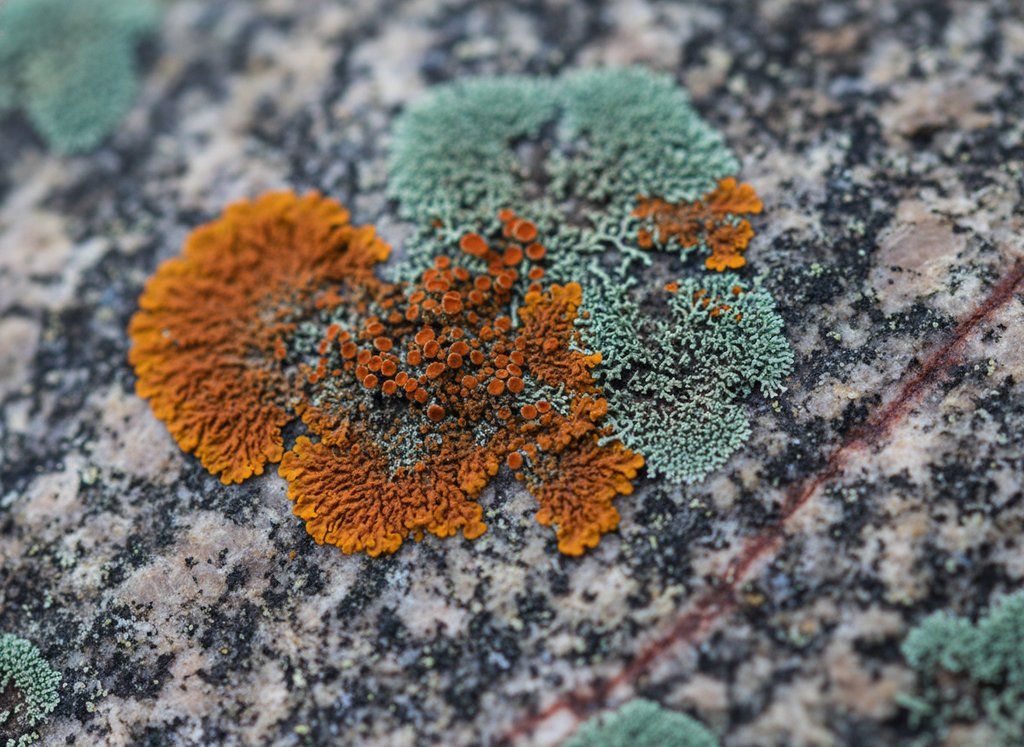
It's not paint. It's not rust. It's a living organism — a specific kind of algae (often Gloeocapsa or Hematococcus species) that produces a pinkish-red pigment to protect itself from UV light. Crazy, right? It thrives in damp, shady spots, especially on porous stone like marble and limestone. I've seen it most often on the north side of headstones, or on stones under big old trees. It feels slightly slimy when wet, powdery when dry. And here's the kicker: it's not just ugly. Over time, the algae's roots (tiny filaments) can work their way into microscopic pores in the stone. Once that happens, the stain becomes permanent. So you want to tackle it early. Don't wait until it looks like someone spilled Pepto-Bismol on grandma's grave.
What NOT to Use (Seriously, Don't)
I'm going to be blunt here. I've seen so many headstones ruined by good intentions. Big mistake. Do not grab bleach, do not grab CLR, do not grab anything with acids or harsh alkalis. No wire brushes, no steel wool, no pressure washer. Those things will etch the surface, eat away the polish, or blow chunks off the stone. I once saw a limestone marker that had been hit with a pressure washer — the date was completely gone. Just a crater. Broke my heart. Stick with soft stuff: nylon bristle brushes (like a stiff toothbrush or a deck brush with plastic bristles), plastic scrapers, and pH-neutral cleaners. That's it. Gentle is the name of the game.
My Go-To Method: D/2 Biological Solution and a Little Patience
Here's what works. I use D/2 Biological Solution. It's a pH-neutral, non-ionic cleaner that's specifically made for headstones. It kills the algae and lifts the stain without harming the stone. I've used it on marble, granite, limestone, you name it. Never had a problem. Here's my step-by-step: First, wet the stone with clean water. Just a spray bottle or a gentle hose — no pressure. Then spray D/2 directly on the pink areas. Let it sit for 10–15 minutes. Don't let it dry out — if it's hot out, mist it now and then. Then scrub gently with a soft nylon brush. I use a mushroom brush from the hardware store (the kind for scrubbing vegetables, honestly). Work in small circles. Rinse with water. Repeat if needed. For stubborn spots, I've left D/2 on overnight with a wet towel on top to keep it moist. That usually does it. Took me three passes on Eliza's stone, but it came out looking like new.
Cleaning a Headstone: The Full Routine
Alright, here's the whole proccess I follow, start to finish. 1. Check the stone for cracks or loose bits. If it's crumbling, don't clean it — call a pro. 2. Wet the stone. 3. Mix up your cleaner (D/2 comes ready-to-use, so no mixing needed). 4. Apply with a spray bottle or a soft sponge. 5. Let it dwell for 10–15 minutes. 6. Scrub with a soft nylon brush. 7. Rinse thoroughly. 8. Step back and check. If pink remains, repeat steps 4–7. 9. Once it's clean, let it dry. The stone will look brighter, and the pink film will be gone. I always take before and after photos for my records. It's satisfying. One more thing: never clean a headstone on a hot sunny day. The solution dries too fast and can leave residue. Overcast or early morning is best.
How to Keep the Pink From Coming Back
You can't stop nature entirely, but you can slow it down. The algae needs moisture and shade. If possible, trim back overhanging branches or bushes that cast shade on the stone. More sunlight = less algae. Also, make sure the stone isn't sitting in a low spot where water pools. I've had clients install a small gravel bed around the base to improve drainage. And here's a trick I learned from an old groundskeeper: after cleaning, apply a thin coat of D/2 once a year as a preventative. Just spray it on and let it dry. It keeps the spores from taking hold. I do this for my family's stones every spring. Takes ten minutes. Worth it.
Frequently Asked Questions
Q: Is pink algae on headstone harmful to the stone itself, or just ugly?
A: Both. It's ugly, sure, but over time the algae's roots can penetrate tiny pores in the stone. On soft stones like marble or limestone, that can cause the surface to flake or pit. It also holds moisture against the stone, which accelerates freeze-thaw damage in colder climates. So yes, it's a real problem, not just a cosmetic one.
Q: Can I use vinegar or baking soda to remove pink algae?
A: Please don't. Vinegar is acidic, and baking soda is alkaline. Both can etch or dull the surface of marble, limestone, and sandstone. Stick with a pH-neutral cleaner like D/2 Biological Solution. It's formulated to kill algae without harming the stone. I've seen too many stones ruined by home remedies.
Q: How long does D/2 take to work on stubborn pink algae?
A: Usually 10–15 minutes for light growth. For heavy, crusty pink film, I've left it on for up to an hour (keeping the stone wet with a damp towel). Sometimes it takes two or three applications over a few days. Patience pays off. Don't scrub harder — just let the solution do it's job.
Q: Will pink algae come back after I clean it?
A: It can, especially if the stone stays damp and shaded. Regular cleaning once a year with D/2 usually keeps it in check. You can also improve drainage and trim nearby plants to let more sunlight hit the stone. I've had stones stay clean for years with annual maintenance.
Q: Is it safe to clean a headstone myself, or should I hire a professional?
A: If the stone is stable and not crumbling, you can absolutely do it yourself with the right tools. Use only soft nylon brushes, pH-neutral cleaner, and water. If the stone is cracked, flaking, or has loose pieces, call a professional conservator. Some older stones are too fragile for even gentle cleaning.