Spring Cemetery Cleanup: Restoring Headstones After Winter
Caring for a grave in the area? Start with Pennsylvania and California.
headstone cleanning in Pennsylvania | headstone cleaning in California
I remember the first spring I volunteered at the national cemetary, back when I was still learning the ropes, it was a crisp March morning, and I’d brought along a bucket, a stiff brush, and a bottle of household bleach—thinking that was the right way to make a headstone gleam. An older volunteer named Ed stopped me just in time. He knelt down beside a weathered marble marker, ran his fingers along the dark streaks left by winter rain, and said, ‘Son, that stone has been here since 1944. You use bleach on it, and you’ll be scrubbing away history.’ That moment changed everything for me. Ed taught me that spring cemetery cleanup isn’t about making stones look new—it’s about gently restoring them so they can tell their stories for another generation.
Now, every year when the snow melts and the ground softens, I grab my kit and head out to check on the graves I’ve adopted. Winter is brutal on headstones: freeze-thaw cycles can crack granite, moss and lichen take hold in the damp, and grime settles deep into porous marble. But with the right approach, you can bring them back to life without doing any harm. Below, I’ll walk you through the steps I use for my own spring cemetery cleanup, so you can restore headstones safely and respectfully.
Step 1: Assess the Stone Before You Touch It
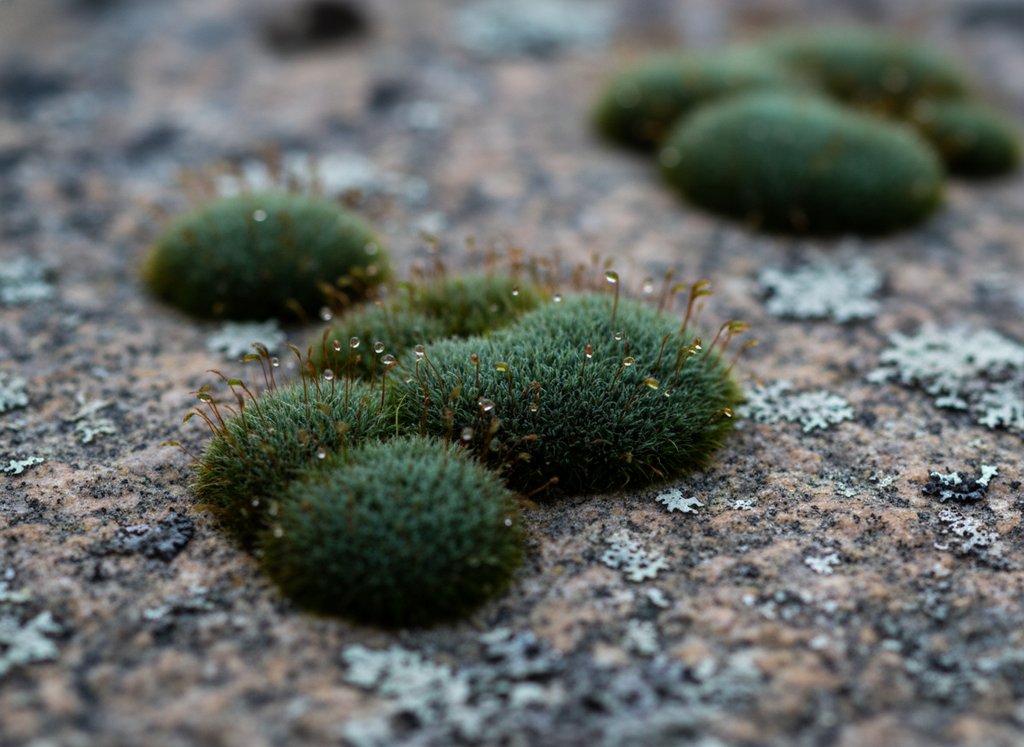
Before I even wet a cloth, I walk around the headstone and look for cracks, chips, or loose pieces. Winter’s freeze-thaw cycle can widen existing fissures, and pressing on a fragile spot might cause the stone to flake. I also check for biological growth—green algae, black lichen, or white efflorescence (salt deposits). Note the stone type: granite is tough and can handle a light scrub, but marble, limestone, and sandstone are soft and porous. If the stone is already crumbling or delaminating, I skip cleaning entirely and report it to the cemetery office. Safety first—both for the stone and for me. I also put on nitrile gloves to protect my hands from any cleaning solution, though the ones I use are gentle.

Step 2: Gather the Right Tools and Cleaners
For a safe spring cemetery cleanup, you need tools that won’t scratch or erode the stone. I always bring a soft-bristle nylon brush (never wire or metal), a plastic scraper for stubborn moss, a spray bottle, and a bucket of distilled water—tap water can leave mineral deposits on some stones. For the cleaner, I use a pH-neutral, non-ionic biological solution like D/2. It’s specifically formulated to kill algae, moss, and lichen without harming stone, and it’s safe for marble, limestone, granite, and sandstone. Avoid harsh household chemicals, skip abrasive tools, and steer clear of strong acids or alkaline cleaners—they can etch the surface and cause permanent damage. I learned that lesson the hard way my first year.
Step 3: Wet the Stone and Apply Cleaner Gently
I start by misting the headstone with distilled water to loosen surface dirt. Then I spray the D/2 solution evenly over the entire marker, working from the top down so runoff doesn’t streak clean areas. I let it sit for about 10 to 15 minutes—long enough to break down organic growth but not so long that it dries on the stone. For heavy lichen or moss, I gently scrape with the plastic scraper after the solution has soaked in. Never use a wire brush or metal scraper; they leave scratches that trap moisture and accelerate weathering. I also avoid pressure washers at all costs—the high pressure can blast away the stone’s surface, especially on older, softer markers.

Step 4: Scrub Lightly and Rinse Thoroughly
With the soft nylon brush, I scrub the stone in a circular motion, using light pressure. I focus on crevices where dirt and biological growth hide, like around lettering or carved details. For stubborn spots, I reapply the cleaner and let it sit another five minutes. Then I rinse with distilled water—I pour it gently from a bottle or use a low-pressure spray, making sure all residue is gone. Leftover cleaner can attract more dirt. I stand back and check for missed areas, especially on the back or sides of the stone. When I’m satisfied, I let the headstone air-dry naturally. The sun and breeze will do the rest.
Step 5: Document and Protect the Finished Work
After the stone is dry, I take a photo for my records—it helps me track changes year to year and notice if any new cracks appear. I also make a note in my journal about the stone’s condition, like ‘slight flaking on the base’ or ‘lichen returning on the north face.’ If the headstone has a metal vase or flag holder, I clean that separately with a mild soap and water, then dry it to prevent rust. Finally, I tidy up the plot: trim back any grass or weeds that grew over the winter, and gently sweep away debris. It’s a small act of care, but every time I finish, I feel like I’ve given that veteran a proper welcome into spring.
Frequently Asked Questions
Q: Can I use vinegar or baking soda for spring cemetery cleanup to restore headstones?
A: I wouldn’t recommend it. Vinegar is acidic and can etch soft stones like marble and limestone, while baking soda is abrasive and can scratch the surface. Stick with a pH-neutral, non-ionic cleaner like D/2 Biological Solution—it’s gentle enough for even the most delicate headstones and won’t harm the stone or the environment.
Q: How often should I do a spring cemetery cleanup on adopted graves?
A: I do a thorough cleanup once a year in early spring, right after the last frost and before the grass starts growing fast. If you notice heavy moss or algae buildup by midsummer, you can do a light touch-up with the same cleaner, but most stones only need one deep clean per year. Over-cleaning can wear down the surface, so less is more.
Q: Is it safe to use a pressure washer on a granite headstone?
A: No, even granite can be damaged by a pressure washer. The high-pressure stream can blast away the polish, loosen the stone’s natural grain, or force water into microfractures that expand during the next freeze. I always use a soft brush and gentle rinsing—it takes a little longer, but it keeps the stone intact for decades to come.
Q: What should I do if a headstone has lichen that won’t come off with gentle scrubbing?
A: Lichen can be stubborn, especially on porous stone. Try applying D/2 solution and letting it sit for 20 minutes instead of 10, then use a plastic scraper to lift the lichen gently. If it still won’t budge, don’t force it—reapply the cleaner and wait a few days. The biological solution works slowly to kill the roots. Never use a wire brush or metal scraper, as they’ll gouge the stone.
Q: Can I seal a headstone after cleaning to protect it from winter damage?
A: Most cemetery policies prohibit sealants because they can trap moisture inside the stone, leading to spalling and cracking during freeze-thaw cycles. I’ve never sealed any of the graves I adopt. Instead, I focus on keeping the stone clean and dry, and I make sure the base is well-drained so water doesn’t pool around it.