St. Patrick's Day at the Old Irish Graves: How I Tend My Great-Grandparents' Stones
headstone cleanning in New York | headstone cleaning in Florida
Every March, like clockwork, I pack up my bucket and head to St. Mary's Cemetary. The grass is still wet from the thaw, and the air smells like mud and leftover snow. I've been doing this since 2007, when I first found my great-grandparents' plot hidden under a tangle of wild ivy. Took me three tries to locate it. The sexton, old Mr. O'Malley, finally pointed me to the back corner near the stone wall. 'That's the McNulty plot,' he said. 'Haven't seen anyone visit in years.'
My great-grandmother Brigid came over from County Mayo in 1892. She died in 1943, three years before my dad was even born. I never knew her. But every St. Patrick's Day, I drive two hours to clean her stone and my great-grandfather Patrick's. It's not about the holiday. It's about the fact that someone remembered. And I'll be damned if I'm the one who lets them be forgotten.
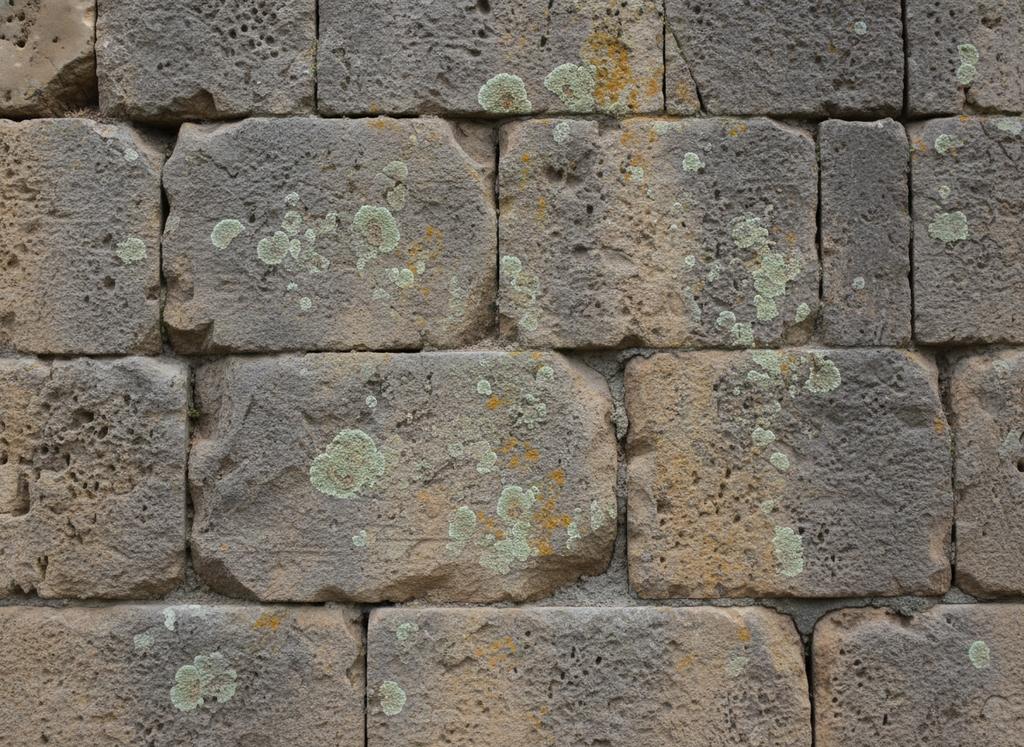
Now, here's the thing about March in New England. The freeze-thaw cycle is brutal on old marble. Add in the moss, the lichen, and whatever the city salts have splashed up from the road, and those stones look rough. So I've learned, through trial and error, how to bring them back without wrecking them. Here's what works.
Why St. Patrick's Day Is the Perfect Time for Irish Grave Care
St. Patrick's Day falls right at the tail end of winter. For old Irish graves in cold climates, that's the worst time for stone damage. Water gets into cracks, freezes, expands, and flakes off bits of marble. By March, you can actually see fresh spalling. So cleaning them right before the holiday does two things. First, you remove the biological gunk that grew during the damp season. Second, you give the stone a chance to dry out properly before the next round of rain. I always aim for the first week of March. Not too early, not too late. And honestly? It just feels right to show up with a shamrock pin on my coat and a bucket of D/2. The other families in the cemetery think I'm nuts. I don't care.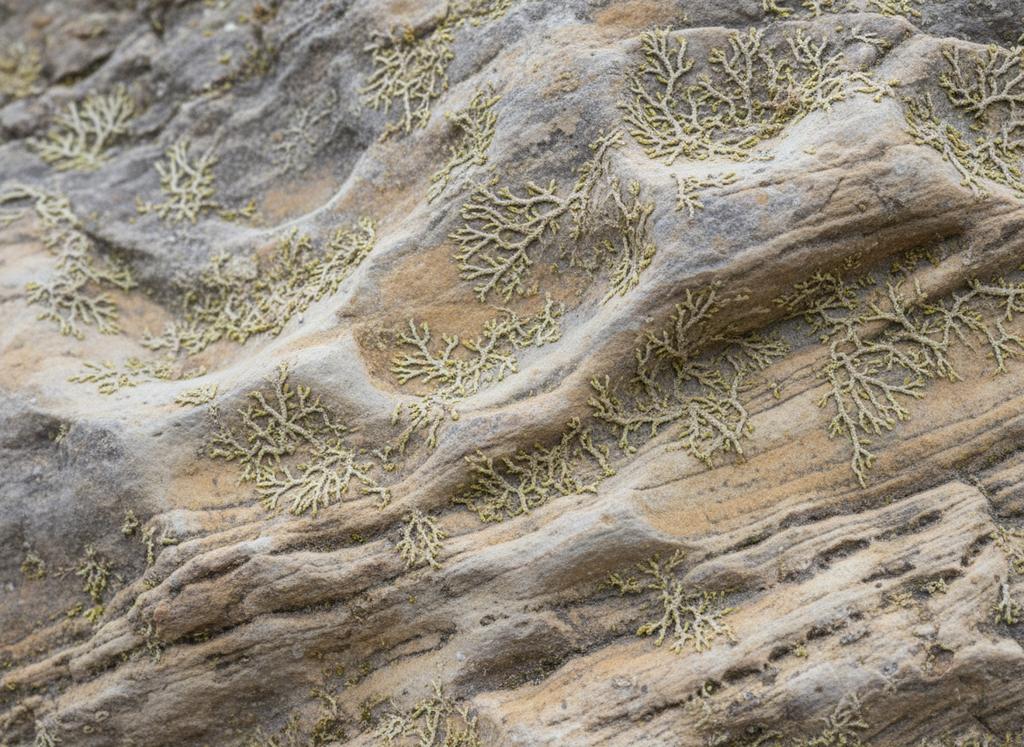
My Step-by-Step Cleaning Routine (No Bleach, No Wire Brushes)
I learned the hard way what not to do. First time, I used a wire brush on my great-grandmother's marble. Big mistake. Left scratches I still see when the light hits right. Never again. Now I stick to the safe stuff. I use D/2 Biological Solution concentrate mixed with water per the label — usually about a 1:10 ratio for light cleaning, stronger for heavy lichen. I spray it on, let it sit for ten minutes, then scrub gently with a soft nylon brush. Not a wire brush, not a scouring pad. Just a standard soft bristle brush from the hardware store. Rinse with a garden hose nozzle set to 'shower', not 'jet'. Pressure washers are too aggressive for old marble. I also keep a plastic scraper for thick moss — the kind you use for paint. Works great on lichen if you're careful. Whole job takes about 45 minutes per stone. Less if I'm not stopping to talk to the groundskeeper.
What About the Irish Symbols? Carved Crosses and Celtic Knots Need Extra Care
My great-grandparents' stones have a simple Celtic cross on top. The grooves collect dirt and lichen like crazy. You can't just spray and rinse that stuff out. It needs gentle coaxing. I use a soft toothbrush for the deep lines. Takes patience. Sometimes I wet the area first, then let the D/2 soak in for a full fifteen minutes. Then I scrub in circles. For really stubborn black lichen spots, I apply the D/2 full-strength with a paintbrush and let it sit overnight under a plastic wrap. That usually does the trick. One thing I never do: use a metal tool to pick at the carving. The stone is soft. You'll gouge it. I know because I've seen other graves where someone got too aggressive. It looks terrible.
Seasonal Additions: What I Leave Behind (and What I Take Away)
After the cleaning, I place a small bunch of fresh flowers. Usually white carnations and a bit of boxwood. I used to do plastic ones, but they fade and look sad. Fresh is better, even if it only lasts a week. And I always bring a small shamrock pin to tuck into the grass at the base. Not superstitious, exactly. Just a habit. I also remove any old Christmas wreaths or faded silk arrangements from other family members. The cemetery crew appreciates it. One year I found a broken whiskey bottle near Patrick's stone. Someone had a party there, I guess. I cleaned it up, said a little prayer, and moved on. That's the thing about old cemeteries. They're not just for the dead. They're for the living who forget their manners.
When to Call a Professional (and When DIY Is Fine)
Most old Irish graves are marble. Marble is calcium carbonate. It's soft. It reacts with acids. So if you see deep biological staining that won't budge with D/2, or if the stone is flaking or delaminating, call a pro. I've seen well-meaning family members cause permanent damage with homemade poultices or bleach. Don't be that person. For routine cleaning once a year, DIY with the right products is perfectly safe. But if the stone is sinking, cracked, or has major lichen crust, hire a conservator. It costs a few hundred dollars, but it beats replacing a 120-year-old headstone. I had to do that for a cousin's grave in 2019. Seven hundred dollars and alot of guilt.
Frequently Asked Questions
Q: Is it okay to clean Irish graves on St. Patrick's Day itself, or should I go earlier?
A: Honestly, the day itself is fine if the wheather cooperates. But I prefer a week or two before. That way the stone has time to dry and look it's best for visitors. Plus, the ground is usually less muddy in early March. If you go on St. Patrick's Day, expect company. Lots of families do the same thing, so parking can be tight.
Q: Can I use vinegar to clean the moss off my great-grandfather's limestone headstone?
A: No, absolutely not. Vinegar is acetic acid. It will eat into limestone and marble. I know it's a common home remedy, but it's a fast track to permanent etching. Stick with a pH-neutral cleaner like D/2 or a non-ionic detergent. Your stone will thank you.
Q: What's the best way to remove lichen from an old Irish grave without damaging the carving?
A: Lichen is stubborn. I've had the best luck with D/2 applied full-strength and left to sit for 15-20 minutes. Then scrub gently with a soft brush. For deep carving lines, use a toothbrush. If the lichen is really crusty, you can carefully scrape with a plastic scraper. But never use metal. And never use a wire brush. Patience is the real trick.
Q: Should I seal the stone after cleaning to prevent future moss?
A: No. Sealing old marble or limestone is usually a bad idea. It traps moisture inside, which causes spalling and flaking. The stone needs to breathe. Just clean it once a year and let it be. A good annual cleaning with D/2 will keep biological growth in check without sealing.
Q: My family's Irish grave has a bronze plaque attached to a granite base. Can I use the same cleaning method?
A: Bronze is different. For the granite base, D/2 is fine. But for the bronze plaque, you need a specialized bronze cleaner. I use a product called 'Bronze Sheen' — it's gentle and won't damage the patina. Avoid abrasive pads or chemical strippers. And never pressure wash bronze. It'll pit the surface.