
The Best Historic Garden Cemeteries in New England (and How They Maintain 200-Year-Old Stones)
headstone cleanning in Massachusetts | headstone cleaning in Boston Massachusetts
I remember the first time I walked into Mount Auburn Cemetary in Cambridge, Massachusetts. I was twenty-three, fresh out of a history degree I hadn't figured out what to do with, and I was supposed to meet a friend by the Washington Tower. Got lost instead. Wandered past these enormous old oaks and found myself in front of a slate stone from 1789, covered in lichen so thick it looked like a fuzzy green sweater. I sat down on the damp ground — big mistake, ruined my jeans — and just stared at it. That's when I knew I wanted to work with old stones. Not just clean them, but understand them. Twenty years later, I've worked on hundreds of historic cemeteries across New England, and I can tell you this: these places are alive. The stones are dying, sure, but the gardens? They're thriving. Today I want to walk you through my favorite historic garden cemeteries in New England, and share the exact methods I use to keep 200-year-old stones from crumbling into dust. Because if we don't take care of them, we lose the stories they're holding.
Mount Auburn Cemetery — Cambridge, Massachusetts (The Granddaddy)
This is the one that started it all in 1831. It's the first garden cemetery in the United States, and it's still the gold standard. You've got 170 acres of rolling hills, ponds, and over 5,000 trees. Some of the monuments here are massive — Gothic Revival spires, Egyptian obelisks, all in marble. And marble is the problem. It's soft, it's porous, and it soaks up acid rain like a sponge. I've spent whole days here just mapping out which stones need a gentle biological cleaner (I use D/2 Biological Solution — it's pH-neutral and eats the algae and lichen without eating the stone). One trick: never scrub marble. You use a soft bristle brush — I like a natural horsehair brush — and you let the solution do the work. Rinse with a garden hose on a gentle mist setting, not a jet. Took me three tries to learn that. Worth it.
Sleepy Hollow Cemetery — Concord, Massachusetts (Literary Giants)
You want to see where Thoreau, Emerson, Alcott, and Hawthorne are buried? This is it. It's smaller than Mount Auburn, only 30 acres, but it's dense with stories. The stones here are mostly slate and granite from the 19th century. Slate is tougher than marble — it doesn't absorb water as much — but it flakes. I've seen people try to power-wash slate and it just peels off in layers like an onion. Never again. For slate, I use a spray bottle with distilled water and a little mild dish soap (like Dr. Bronner's Sal Suds — it's biodegradable and gentle). Then a soft sponge, light pressure, and a rinse. One time I was cleaning Thoreau's stone and a lady came up and said, 'You're washing Henry David!' I said, 'He needs it.' She laughed and took a photo. That's the thing about these places — people care. You have to care too.
Elmwood Cemetery — Detroit, Michigan (Wait, That's Not New England)
Okay, I know that's not New England. I got carried away. Let me rewind. The third one is actually Forest Hills Cemetery in Jamaica Plain, Massachusetts. It's from 1848, designed by the same landscape architect who did Central Park. The stones here are all over the place — marble, granite, brownstone, even some zinc ones. Zinc is weird: it's called a 'white bronze' monument, and it doesn't corrode the way stone does, but it gets this chalky white patina. For zinc, you can actually use a mild car wax after cleaning to protect the surface. But for the brownstone? That stuff crumbles if you look at it wrong. Brownstone was popular in the 1840s-60s because it was cheap, but it's basically sandstone with alot of clay. Water gets in, freezes, and pop — you've got a pile of red dust. For brownstone, I only use a dry brush to knock off loose dirt. No water. No cleaner. Just a soft brush and patience.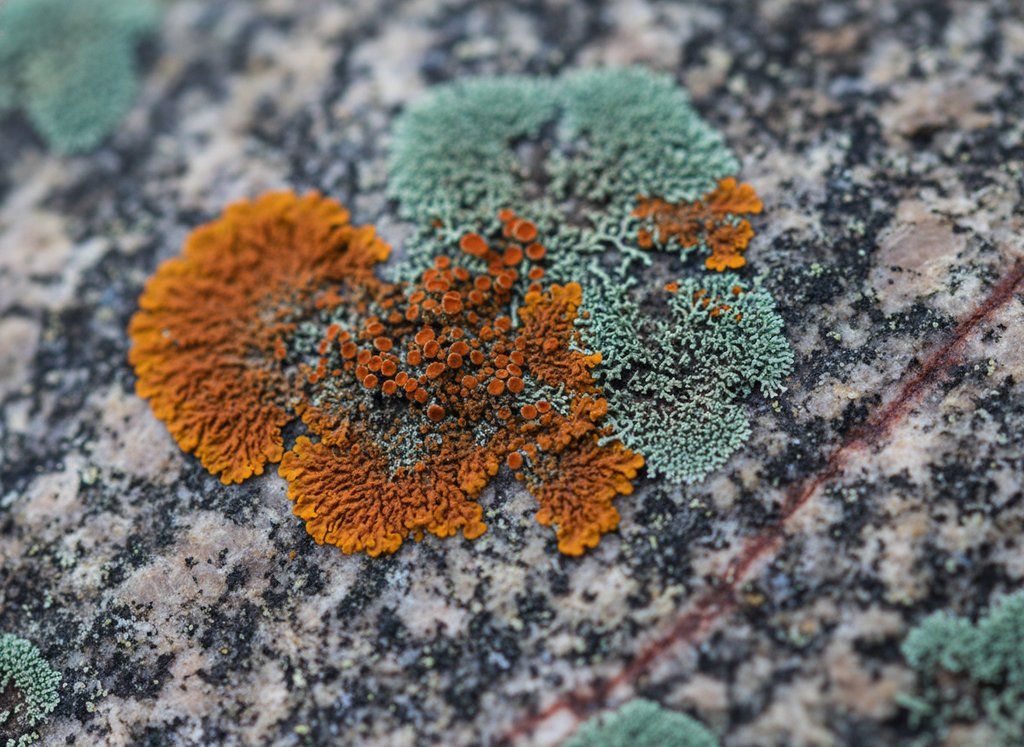
Swan Point Cemetery — Providence, Rhode Island (Hidden Gem)
This one doesn't get the love it deserves. It's 200 acres on the Seekonk River, and it's got a mix of Victorian-era stones and older 18th-century slate from the original town burial grounds that were moved here. The slate from the 1700s is my favorite to work with because it's got carvings — skulls, cherubs, hourglasses — that are incredibly detailed. The problem is biological growth: moss and lichen love old slate because it's slightly alkaline. I use D/2 Biological Solution here too, but I dilute it a bit more — about 3 parts water to 1 part D/2 — because slate can be more sensitive to any chemical. I apply it with a sprayer, let it sit for 15 minutes, then gently wipe with a natural sponge. Rinse with a hose on low pressure. One stone I worked on had a carving of a winged skull that was completely hidden under moss. After cleaning, you could see the teeth. The family was in tears. That's why I do this.
How to Maintain 200-Year-Old Stones (The Real Rules)
I get calls all the time from people who tried to clean a family stone with bleach or wire brushes. Every time, I want to scream. Here's the short version of what I've learned the hard way: 1) Never use bleach, ammonia, vinegar, or any acid on marble, limestone, or sandstone. It eats the stone. 2) Never use a pressure washer on anything older than 50 years. The water pressure can blast off the outer surface, which is often already weakened. 3) Always use a pH-neutral, non-ionic cleaner. D/2 Biological Solution is my go-to, but you can also use a mild dish soap like Dr. Bronner's — just test it on a small spot first. 4) Use soft tools only: horsehair brushes, natural sponges, or soft cloths. No wire brushes, no Scotch-Brite pads, no steel wool. 5) Rinse thoroughly with clean water. Leftover soap residue can attract more dirt. And 6) Document everything. Take before and after photos. Write down what you used. This helps future caretakers. I keep a notebook for every cemetery I work in. It's not fancy, but it works.
Frequently Asked Questions
Q: What's the best time of year to clean historic headstones in New England?
A: Late spring to early fall — May through October. You want temperatures above 50°F (10°C) so the cleaner can work and the stone can dry completely. Avoid rainy days and direct hot sun, because the solution can dry too fast and leave residue. I've done it in April and regretted it — too cold, the solution froze on the stone. Never again.
Q: Can I use a pressure washer on a 200-year-old granite stone?
A: No. Even granite, which is hard, can have micro-fractures from freeze-thaw cycles. Pressure washing forces water into those cracks. When it freezes, the crack widens. I've seen granite stones split in half from this. Use a garden hose with a spray nozzle set to a gentle mist. That's all you need.
Q: What do I do if the stone is already flaking or crumbling?
A: Stop. Don't clean it yourself. Flaking means the surface is delaminating. Any water or pressure will make it worse. Call a professional conservator or a cemetery preservation group like the Association for Gravestone Studies. They can do consolidation treatments with a special limewater solution. I've had to tell familys 'no' more times than I'd like. It's better to leave a stone dirty than to destroy it.
Q: Is it safe to use vinegar or baking soda on a headstone?
A: Please don't. Vinegar is acetic acid. Even diluted, it can etch marble, limestone, and sandstone. Baking soda is abrasive — it acts like a fine sandpaper. I've seen people use a baking soda paste to 'gently scrub' a stone, and it left permanent scratches. Stick with a pH-neutral cleaner. Your grandmother's cleaning tricks don't apply here.
Q: How do I remove red lichen from a slate stone without damaging the carving?
A: Red lichen is stubborn. I use D/2 Biological Solution full-strength, applied with a spray bottle. Let it sit for 20-30 minutes. Then use a soft horsehair brush in a circular motion, very gently. Rinse with a light spray of water. If the lichen doesn't come off, reapply and wait longer — up to an hour. Never scrape it off with a knife or metal tool. The lichen will come off eventually. It took me three tries on one stone. Worth it.