The Lichen-Covered Stone I Almost Gave Up On (A Patience-Over-Power Story)
headstone cleanning in Oregon | headstone cleaning in Eugene Oregon
I remember the first time I saw that stone. It was a Tuesday afternoon, overcast, and I was out at St. Mary’s cemetary near the old oak grove. The stone was a small marble headstone, maybe from the 1870s, for a woman named Eliza. Lichen had taken over. Not just a little patch here and there — I’m talking thick, crusty orange and grey colonies covering about 80% of the face. The inscription was completely hidden. I almost walked away. Told myself, 'David, this one’s a lost cause. Move on.' But something about the name 'Eliza' — she was only 34 when she died — kept me there. I thought about my own grandmother, who passed at 32. My mom never knew her. That kind of silence in a cemetery hurts. So I decided to try.
Big mistake? Maybe. I started off wrong. I won't lie to you. I grabbed a stiff nylon brush and some dish soap. Figured I'd scrub hard, get it over with. After ten minutes, I'd barely scratched the surface — and I mean that literally. The lichen laughed at me. Worse, I could see tiny scratches in the marble where the brush had dragged grit across the stone. I felt sick. That's when I learned the real lesson: with lichen, you need patience, not power. This post is that story — the story of how I almost ruined a 150-year-old stone, and what it actually took to bring Eliza's name back.
Why Lichen Is So Stubborn (And Why Scrubbing Hard Makes It Worse)
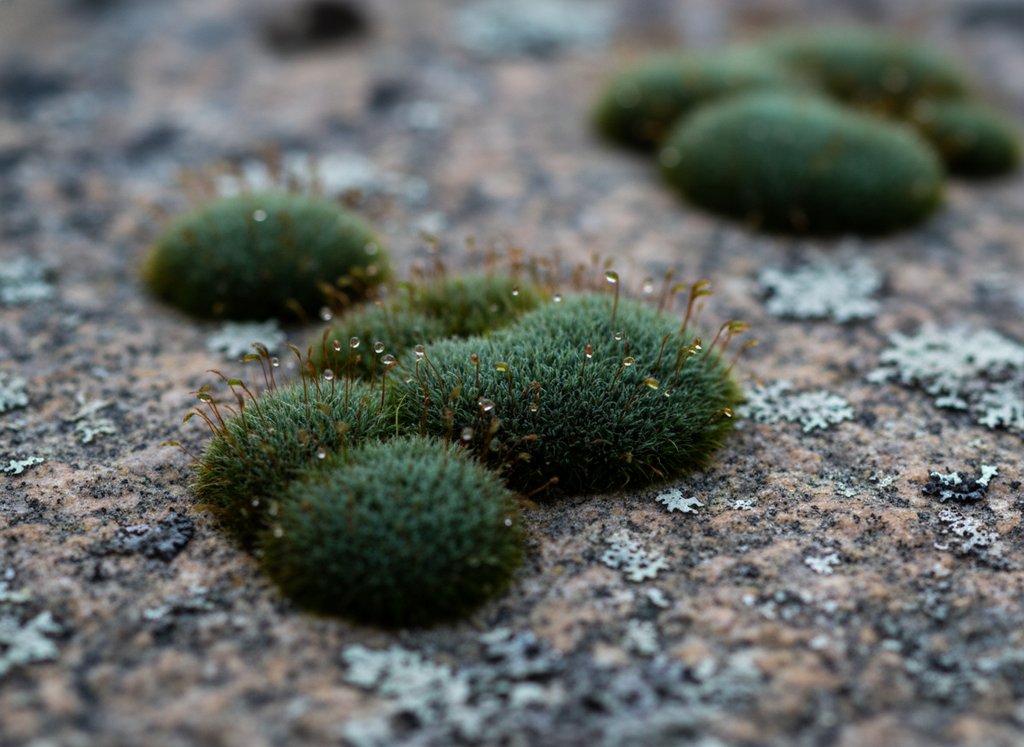
Lichen isn't just dirt. It's a symbiotic organism — a fungus and an algae living together, basically glued to the stone. They secrete acids that etch into the surface. On marble or limestone, that etch is permanent if you're not careful. The worst part? When you scrub aggressively, you're not removing the lichen — you're grinding it into the pores. The stone gets stained, the lichen comes back faster, and you lose detail. I learned this the hard way on a sandstone footstone a few years back. Used a wire brush. Never again. That stone now looks like someone sandblasted it. The inscription is gone. So with Eliza's stone, I stopped after five minutes of scrubbing. Took a deep breath. Walked away for a week.
The Right Tools (And Why I Switched to D/2 Biological Solution)
After that first failure, I called a buddy who restores old buildings. He said, 'David, you need a cleaner that eats the lichen, not one that scrapes it off.' He recommended D/2 Biological Solution. It's a pH-neutral, non-ionic cleaner. Sounds fancy, but it's basically a bacteria-based spray that digests organic growth. No bleach, no acid. I bought a gallon for about $40. Came with a sprayer. I soaked the stone completely — not just the lichen, but the whole face. Let it sit for 15 minutes. Then I used a soft natural-bristle brush (horsehair, not nylon) to gently agitate. Not scrubbing — just moving the solution around. Then I rinsed with a garden hose, no nozzle, just a gentle flow. The lichen didn't vanish instantly. But it softened. I could see the grey turning a lighter green. That was progress.
The Two-Week Wait (And Why You Shouldn't Rush)
Here's where patience comes in. After that first application, I waited two weeks. Yes, two weeks. D/2 works slowly — it's biological, not chemical. I re-applied every three days. Each time, more lichen sloughed off. By day ten, the orange crust was peeling like old paint. I used a soft plastic scraper (a tongue depressor, actually — cheap and non-abrasive) to lift the loosest bits. Never use metal. Never use anything harder than the stone. Marble is soft — it's basically compressed calcite. You can scratch it with a penny. So I was careful. By day fourteen, I could read Eliza's name. 'Eliza Mayfield, 1839–1873.' The 'e' in 'Mayfield' was still a little fuzzy, but I could make it out. I almost cried. Not kidding.
One More Pass (And What I Learned About Persistence)
I thought I was done. But there was still a faint shadow on the lower half — a greenish stain where lichen had been for decades. I could of left it. Most people would of. But I wanted it clean, not just readable. So I mixed a second batch of D/2, a bit stronger (about 1.5x the recommended concentration). Applied it with a spray bottle, let it sit for 20 minutes. Then I used a very soft toothbrush (the kind you get at the dentist) to work into the carved letters. Rinsed gently. Let it dry. The next day, the shadow was gone. The stone looked like it was from 1875, not 2024. That taught me something: patience isn't just waiting. It's doing the small, careful work over and over. One pass isn't enough. Two might be. Three is better. But you have to know when to stop — when the stone is clean, not when you're tired.
What I'd Do Differently (And What You Should Avoid)
If I could go back, I wouldn't have touched that stone with dish soap. I'd start with D/2 from day one. I'd also bring a spray bottle with distilled water for the final rinse — tap water can leave mineral deposits. And I'd bring a notebook. I keep a log now: date, wheather, product used, observations. It sounds nerdy, but it helps. For the love of old stones: avoid harsh household chemicals. They react with the stone and cause spalling. Skip abrasive tools — no wire brushes, no steel wool, no sandpaper. And steer clear of strong acids or alkaline cleaners. They dissolve the surface. If you're on sandstone, be even more careful — it's like sugar. I've seen guys pressure-wash sandstone and turn a 200-year-old name into a blur. Never again. Use soft tools, gentle water flow, and a cleaner that works with biology, not against it.
Frequently Asked Questions
Q: How long does D/2 Biological Solution take to work on thick lichen?
A: It depends on the lichen type and thickness. On Eliza's stone, with heavy orange crust lichen, I saw visible softening after 3 days of re-application. Full removal took about two weeks. For thin green lichen, it might be 24 hours. Be patient — if you scrub too soon, you'll damage the stone.
Q: Can I use vinegar or baking soda on lichen-covered headstones?
A: No. Vinegar is acidic and will etch marble, limestone, and sandstone. Baking soda is alkaline and can leave a white residue that's hard to rinse out. Stick to pH-neutral cleaners like D/2. I learned this the hard way on a sandstone marker — the vinegar left a dull patch that never came back.
Q: What if the lichen has been there for decades and won't come off?
A: That's normal. Old lichen can leave a 'ghost' stain — a discoloration where it held moisture against the stone. D/2 will remove the living organism, but the stain may need multiple applications over weeks. In some cases, the stone is permanently etched. That's okay. You're not making it new — you're making it readable.
Q: Is it safe to use a plastic scraper on marble?
A: Yes, if you're careful. Use a soft plastic tool like a tongue depressor or a plastic putty knife with rounded edges. Never use metal. I've seen people use old credit cards — that works too. The key is to lift, not scrape. If you feel resistance, stop and re-wet the area with cleaner.
Q: How often should I re-treat a headstone for lichen?
A: Most stones need one full treatment per year if they're in a damp, shaded area. But if you're in a dry climate, it might be every two years. I check Eliza's stone every spring. If I see any green starting, I give it a light spray of D/2. Prevention is way easier than restoration.