Things Cemeteries Commonly Prohibit (That Surprised Me as a Visitor)
headstone cleanning in Texas | headstone cleaning in New York
I remember the first time I found my great-great-grandmother's headstone. It was a hot July afternoon, and I'd spent an hour tramping through weeds behind a little rural cemetary in Ohio. When I finally spotted the stone, it was completely overgrown—moss and ivy had practically swallowed it. I was so excited I dropped to my knees and started yanking at the vines with my bare hands. Big mistake. Turns out, I wasn't just pulling weeds; I was breaking about three cemetery rules I didn't even know existed. A groundskeeper appeared out of nowhere, looking like he'd seen a ghost. 'Ma'am,' he said, real calm but firm, 'you can't do that.' I felt my face go red. He wasn't mean about it, but he explained that even pulling ivy can disturb the soil or damage the stone if it's rooted in a crack. I apologized and asked what I could do. He handed me a spray bottle of D/2 Biological Solution and a soft brush, and said, 'Stick to this, and don't touch the plants.' That moment made me realize how many rules cemeteries have that most people never think about. I've since learned alot—the hard way, mostly—and I want to share what surprised me most.
No Planting or Removing Anything (Even Weeds)
I get it now, but at first, I was baffled. You'd think pulling a dandelion is harmless, right? Wrong. Most cemeteries have strict rules against planting flowers, shrubs, or trees, and also against removing any vegetation—even if it's overtaking a grave. The reason? Roots can destabilize headstones, and digging can disturb burials. Plus, cemetery crews have a system for mowing and maintainance. If everyone yanked out their own weeds, the grounds would look like a patchwork mess. Some places allow small, potted flowers or artificial arrangements, but always check the office first. I learned to ask before so much as trimming a stray branch.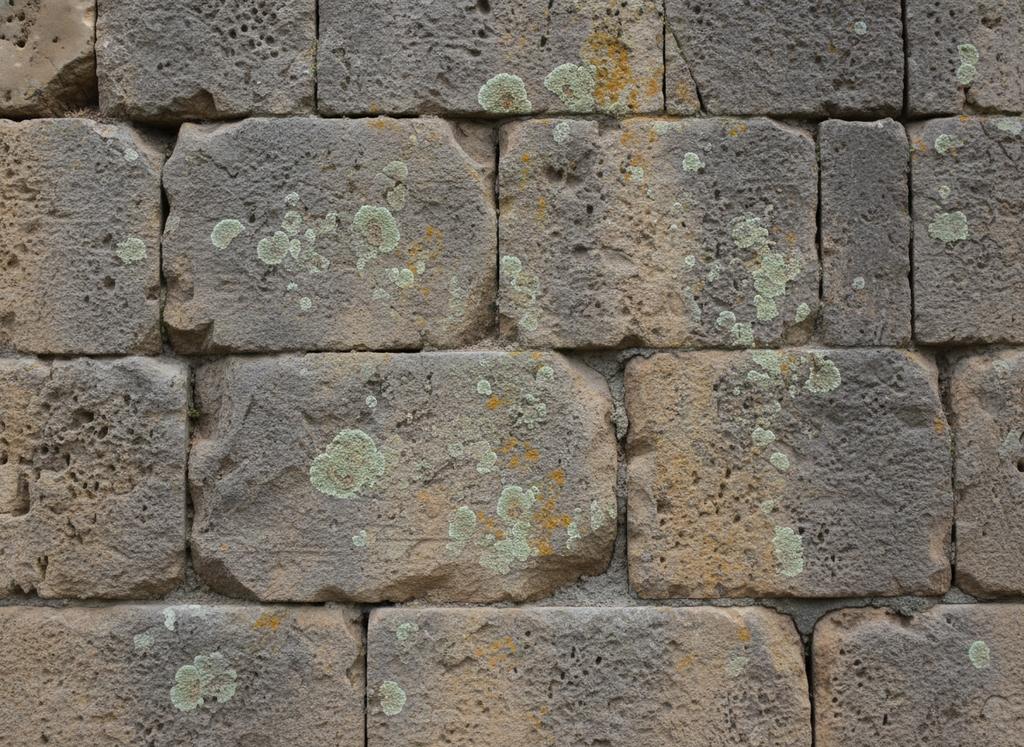
No Using Harsh Household Cleaners (Seriously, Leave the Bleach at Home)
This one shocked me. I figured a little bleach and water would make the stone look new again. Groundskeeper set me straight fast. Harsh chemicals—like bleach, ammonia, or any strong acids—can eat away at the stone's surface, especially on marble, limestone, or sandstone. They cause pitting, discoloration, and even crumbling over time. Same goes for wire brushes or pressure washers. Those tools are way too abrasive. Instead, use a pH-neutral, non-ionic cleaner like D/2 Biological Solution. It's what most pros recommend. Spray it on, let it sit for ten minutes, then scrub gently with a soft nylon brush (I use a horsehair brush, actually works great). Rinse with water. That's it. Took me three tries to get the hang of it. Worth it.
No Touching or Leaning on Headstones (Even for Photos)
This one feels weird, because we all want to get close for a picture. But headstones, especially old ones, can be fragile. Leaning on them, or even touching them too much, can cause cracks or accelerate weathering. Some stones are already unstable—a slight push could knock them over. I've seen signs that say 'Do Not Touch' and thought they were just being mean. Now I know better. If you want to clean a stone, you usually need written permission from the cemetery and the family. For photos, use a zoom lens or just crouch low. No leaning. Ever.
No Dogs (Even Well-Behaved Ones)
I love dogs. I of a golden retriever named Gus. But most cemeteries ban them, even on a leash. I was bummed at first, but the reasoning makes sense: dogs can dig, disturb the ground, or knock over flower arrangements. Some cemeteries are also considered sacred or quiet spaces, and barking can disturb visitors. There are exceptions—some newer, garden-style cemeteries allow leashed dogs. But the old, historic ones? Almost never. I leave Gus at home now. It's better for everyone.
No Food or Drink (Except Water)
This one caught me off guard. I brought a sandwich to a cemetery once, thinking it'd be a peaceful lunch spot. A sign politely told me to leave. Turns out, food attracts animals—raccoons, squirrels, even stray cats—which can damage graves or make a mess. Plus, it's seen as disrespectful in many cultures. Water is usually fine, but anything else? Nope. I've learned to eat my sandwich in the car before walking the grounds.
Frequently Asked Questions
Q: Can I take a rubbing of a headstone?
A: Most cemeteries prohibit rubbings because the pressure can damage fragile stone, especially on marble or sandstone. Some allow it with permission and a soft brush technique, but it's rare. Always ask the office first.
Q: Are metal detectors allowed in cemeteries?
A: Almost never. Metal detectors are usually banned because they disturb the ground and could inadvertently damage buried artifacts or graves. Plus, it's seen as invasive and disrespectful.
Q: Can I leave personal items like coins or toys on a grave?
A: It depends on the cemetery. Many allow small, non-perishable items like coins or stones, but others have strict 'no mementos' policies because they create litter or attract pests. Check with the office or look for posted rules.
Q: What about using a pressure washer to clean a headstone?
A: Pressure washers are almost always prohibited. The high pressure can erode stone surfaces, especially older ones, and force water into cracks, leading to freeze-thaw damage. Stick to gentle cleaning with D/2 and a soft brush.
Q: Can I fly a drone over a cemetery for photos?
A: Most cemeteries ban drones due to noise, privacy concerns, and safety. Some historic cemeteries have specific no-fly zones. Always ask for permission—I've heard of people getting fined for ignoring this one.