Sticky Pine Pitch From the Overhanging Tree: Lifting Resin Off Granite Gently
headstone cleaning in California | headstone cleaning in Texas
I remember the the first time I saw it. I was kneeling at Section 17, Row C, trying to clean a Korean War veteran's granite marker. The tree above—a big, old loblolly pine—had been dripping sap all summer. The headstone looked like it had been dipped in honey. Took me two hours that first time. Made a mess. Used the wrong stuff. Big mistake.
I've been volunteering at the national cemetary for about six years now. I adopted a whole row of graves back in 2019. You learn things fast when you're out there every other Saturday, sun beating down, and you've got sticky resin baked onto granite that's been sitting there since 1954. Pine pitch on granite headstone is a real problem. It's not like dirt or moss. That stuff is stubborn. It's like tree glue. But I've figured out a way that works without wrecking the stone. Let me walk you through it.
Why Pine Pitch Is So Stubborn—and Why You Can't Just Scrub It
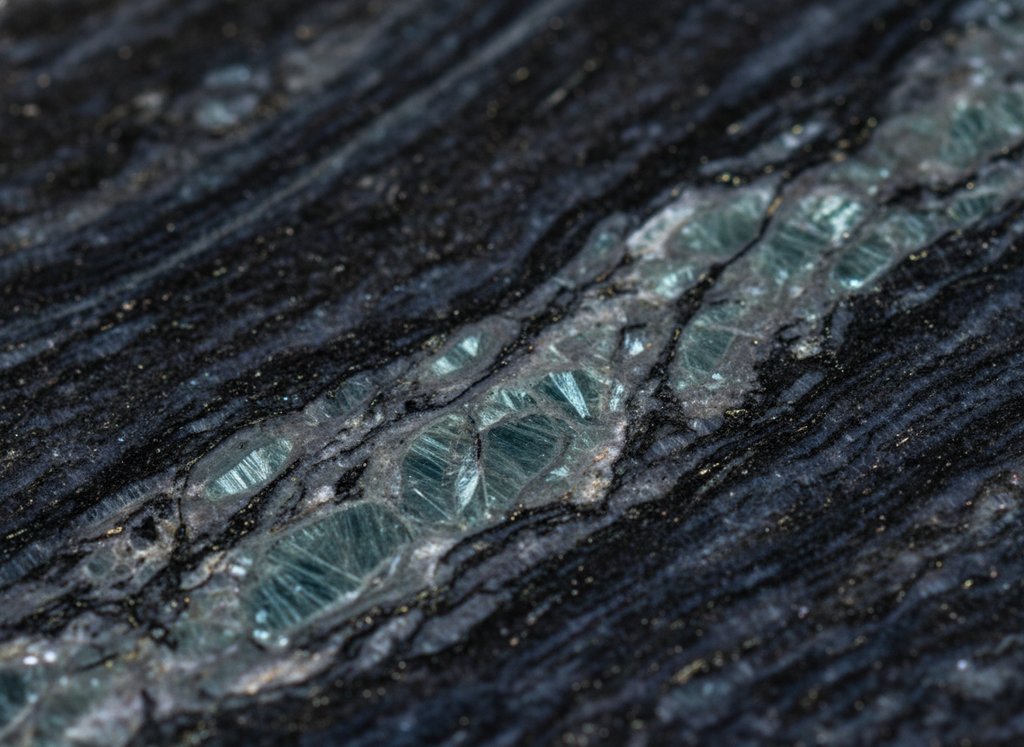
Pine pitch is basically the tree's natural band-aid. It's made of resin acids, terpenes, and volatile oils. When it dries on a hot granite surface, it hardens into something like amber. Scrubbing it with a stiff brush? You'll just smear it around. Worse, you might scratch the polish on the granite. Granite is tough, sure—it's a 6 or 7 on the Mohs scale—but the polished surface is delicate. Once you gouge it, that shine is gone forever.
I tried dish soap and hot water once. Useless. The pitch laughed at me. Tried rubbing alcohol straight. It worked a little, but it evaporated too fast and left a cloudy film. Took me three tries. Worth it. The trick is to use something that dissolves the resin without attacking the stone itself. That means no harsh household chemicals like oven cleaner or paint thinner. Those can leave residues that stain or etch the granite over time. Stick with gentle, pH-neutral stuff.
What Actually Works: My Go-To Method for Lifting Pine Pitch
Here's my routine. I keep it simple. You'll need:
- A spray bottle with warm water and a few drops of a pH-neutral, non-ionic cleaner. I use D/2 Biological Solution—it's what the pros use for biological growth, but it's also safe for resin cleanup. Don't overthink it.
- A plastic scraper. One of those little putty knives from the hardware store—plastic, not metal. Metal will scratch.
- A soft nylon brush. Like a dish brush with no metal bristles.
- A microfiber cloth. White, no dyes.
- Rubbing alcohol (70% isopropyl) in a seperate spray bottle. This is for the final lift, not the scrubbing.
First, wet the pitch spot with the D/2 mixture. Let it sit for 5 minutes. That softens the outer layer. Then take the plastic scraper and gently lift the edges. Don't dig in. Just coax it. You'll see little flakes come off. Then spray the rubbing alcohol directly on the remaining sticky patch. Wait 30 seconds. Wipe with the microfiber cloth in one direction. Repeat if needed. Usually takes two or three passes. Never scrub in circles—that just works the resin deeper into the grain.
The 'No-Go' List: Stuff I Learned the Hard Way
I'm not gonna name names, but I've made mistakes. Here's what I avoid like the plague:
- Any abrasive scrub pads. Scotch-Brite, steel wool, even those green scrubby sponges. They leave micro-scratches that trap dirt later.
- Strong solvents. Acetone, gasoline, or heavy-duty degreasers. They can seep into microscopic cracks in the granite and cause discoloration. I saw a guy use brake cleaner on a headstone once. Never again. The stone looked blotchy for years.
- Pressure washers. I know, I know—they're fast. But even on a low setting, they can blast off the patina or force water into the stone's natural fissures. Granite isn't totally non-porous. It has micro-cracks. Water gets in, freezes in winter, and pop—you get spalling.
- Bleach or acids. Just don't. They react with the minerals in the stone. Even granite can develop lighter spots if you use hydrochloric acid. Stick with pH-neutral.
One time I tried WD-40. Thought it would loosen the pitch. It worked okay, but left a greasy film that attracted dust like a magnet. Had to clean it all over again. Lesson learned.
Preventing the Build-Up: A Little Trick With Vegetable Oil
This one sounds weird, but hear me out. After you've got the pitch off, you can apply a very thin layer of food-grade mineral oil or even plain vegetable oil to the granite surface. Just a drop on a cloth, rubbed in. It fills the microscopic pores and makes it harder for fresh pitch to stick. I do this once in the spring, before the pine starts dripping.
But—and this is important—don't use oil on unpolished or matte-finish granite. It'll darken it unevenly. Only on polished surfaces. And test it on a tiny corner first. One of my veteran's markers had a rough edge, and the oil made it look wet for a month. Not ideal. So I only do it on the flat, polished face now.
Also, trim the overhanging branches if you can. I asked the cemetery grounds crew if I could clip a few low-hanging limbs. They said yes. I keep a pair of loppers in my truck now. Cuts down the sap drops by half.
Frequently Asked Questions
Q: Can I use Goo Gone or similiar adhesive removers on granite headstones?
A: I wouldn't. Most commercial adhesive removers contain citrus solvents or petroleum distillates that can leave a sticky residue or stain the granite. I've seen Goo Gone leave a yellowish tint on light-colored granite. Stick with rubbing alcohol and a pH-neutral cleaner. It's slower but safer.
Q: How long should I let the D/2 sit on pine pitch before scraping?
A: About 5 to 10 minutes. If the pitch is really thick—like a quarter-inch glob—give it 15 minutes. Re-wet it if it dries out. The D/2 works by breaking the surface tension, not dissolving the resin instantly. Patience pays off.
Q: Will pine pitch stain granite permanently if I leave it too long?
A: Pine pitch itself doesn't usually stain granite, but the tannins in the sap can leave a yellowish shadow if left for months in direct sun. I've seen it happen on a white granite marker from the 1960s. The stain was faint but visible. Better to clean it within a few weeks if you can.
Q: Is it safe to use a heat gun or hair dryer to soften the pitch?
A: Heat can soften the pitch, but I don't recommend it on headstones. Granite can handle heat, but the rapid temperature change might cause micro-fractures if the stone is cold. Plus, you risk melting the resin deeper into the surface. Stick with chemical softening—it's gentler.
Q: What if the pitch has been on the headstone for years and is rock-hard?
A: That's a tough one. I'd start by soaking a cloth in warm water with a few drops of D/2 and laying it over the pitch like a compress. Leave it for 20 minutes. Then use the plastic scraper gently. If that doesn't work, try a poultice made of baking soda and water—just paste it on, let it dry, and brush off. That can lift old, brittle resin without chemicals.