
What NOT to Use to Glue a Broken Headstone (Hard Lessons)
headstone cleaning in Texas | headstone cleaning in New York
Back in 2019, I was working on a little slate headstone in an old cemetary up near Harmony Grove, it was a simple marker for a Civil War veteran, broken clean across the middle. I was young, dumb, and eager. I grabbed the first tube of construction adhesive I found in my truck — Liquid Nails, the heavy-duty kind. Slathered it on. Clamped it. Felt proud. Two weeks later, I came back and the whole top half had slid off like a wet bar of soap. The glue had never set right. It was gooey. Attracted dirt. Looked worse than the break. Took me three hours to scrape it off with a chisel. Never again.
That's when I started learning the hard way about what not to use to glue stone. This isn't some fancy theory. This is blood, sweat, and regret talking. If you're fixing a broken headstone — wether it's for a family plot or a volunteer project — you need to know what glues and adhesives will wreck your work, and worse, damage the stone permanently. Let's get into it.
Skip the Hardware Store Epoxy and Construction Adhesive
I know. It's tempting. You walk into the big box store and see a tube of "heavy-duty construction adhesive" that says it bonds wood, metal, concrete, and stone. Sounds perfect, right? Wrong. Stuff like Liquid Nails, Gorilla Glue Construction Adhesive, or even standard two-part epoxy from the hardware aisle — it's not made for porous stone like marble, limestone, or sandstone. Here's the problem: those adhesives are too rigid. Stone expands and contracts with temperature and moisture. A rigid glue joint will crack the stone next to the break, not the glue itself. I've seen it happen. A beautiful 19th-century marble tablet split right next to a repair I didn't do, because someone used standard epoxy. Also, those adhesives often yellow in sunlight and weep sticky residue when it rains. Took me three tries to clean that mess off a piece of limestone once. Worth it, but I lost a whole Saturday. Stick to adhesives specifically labeled for stone restoration — like two-part polyester or epoxy formulations from stone supply houses (think Akemi or Tenax). They're designed to flex a little and not discolor.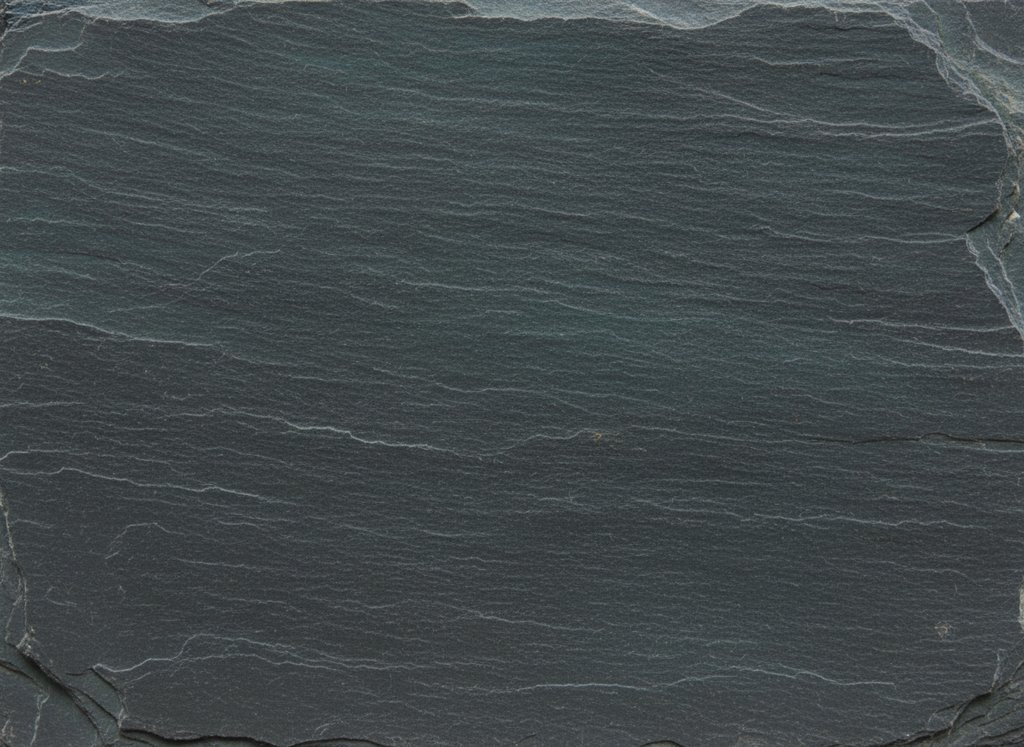
Don't Use Super Glue or Cyanoacrylate — Ever
I get it. Super glue is fast. It's strong on skin (unfortunately). But on a headstone? Disaster. Cyanoacrylate, the chemical name for super glue, is brittle. It doesn't handle movement. Worse, it soaks into porous stone like a sponge and leaves a white, cloudy stain that's nearly impossible to remove. I watched a well-meaning relative try to fix a crack in a granite base with Krazy Glue. The crack got bigger within a year because the glue trapped moisture inside. Plus, it's almost impossible to reverse without damaging the stone. If you ever need to undo a repair — which happens alot — super glue is a nightmare. Use a reversible adhesive like a stone-safe epoxy that can be softened with heat if needed. And for small chips? Sometimes it's better to leave them alone than to glue them badly. A missing chip is honest. A bad glue job is just sad.
Avoid Silicone Caulk and Household Sealants
You'd think silicone would be safe because it's flexible. Big mistake. Silicone caulk (like the kind for bathrooms or windows) contains acetic acid — that's the vinegar smell. That acid eats into alkaline stone like marble and limestone. I've seen it etch permanent dull spots into a 1920s marble bench. Plus, silicone attracts dirt like a magnet. Within months, the repair line turns black with grime and mold. And here's the kicker: nothing sticks to silicone. So if you ever want to re-do the repair, you have to mechanically scrape it all off, and you'll probably scratch the stone. I know a guy who used clear silicone on a sandstone footstone. Six months later, the whole thing fell apart and the stone looked like it had a black worm crawling across it. Not pretty. Use a purpose-made stone adhesive that's pH-neutral and non-yellowing. Your headstone will thank you.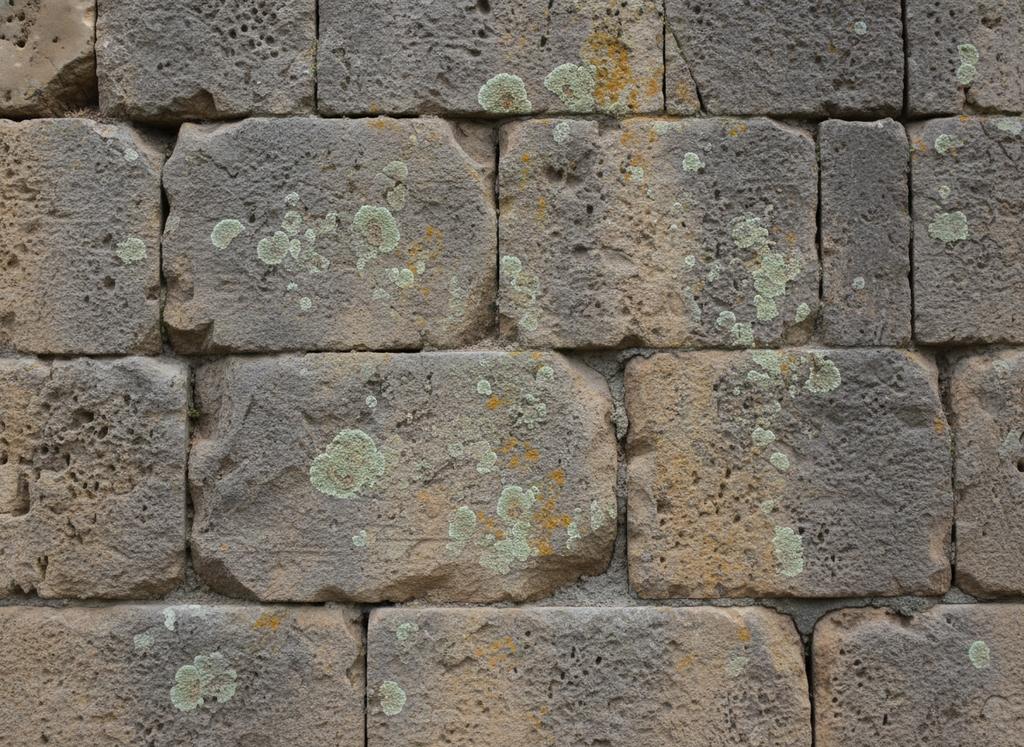
Steer Clear of Harsh Household Chemicals to Clean the Break
Before you even glue, you have to clean the broken edges. But don't reach for bleach, ammonia, or any strong household cleaner. Those can soak into the stone and react with the adhesive later, weakening the bond. I've seen a marble repair fail because someone wiped the break with a bleach-based cleaner. The glue never cured right — it stayed tacky and eventually let go. For cleaning stone before gluing, use a pH-neutral, non-ionic cleaner like D/2 Biological Solution. Spray it on, let it sit, scrub gently with a soft nylon brush, and rinse with distilled water. Let the stone dry completely — like, 24 to 48 hours, depending on wheather. Patience here pays off. A clean, dry break gives you a bond that lasts decades. A rushed, chemically-damaged break gives you a second repair job in a year.
Never Use Abrasive Tools to Shape the Broken Edges
Sometimes people try to "improve" a break by sanding or grinding the edges flat, hoping the glue will stick better. Don't. That destroys the original fracture pattern, which is the best guide for a tight fit. Stone breaks in irregular patterns — those tiny ridges and valleys lock together when glued. Sand them off, and the pieces won't align properly. I once watched a volunteer use an angle grinder on a sandstone break. He took off a quarter-inch of stone. The repair never fit again. We had to fill the gap with a tinted epoxy, and it always looked like a scar. Plus, grinding creates dust that's hazardous to breathe — silica dust from sandstone can cause serious lung disease. If you must clean up a broken edge, use a sharp chisel and a light tap, or a diamond file meant for stone. But honestly? Leave the break as-is. A good stone adhesive will fill microscopic gaps. You don't need a perfect flat surface.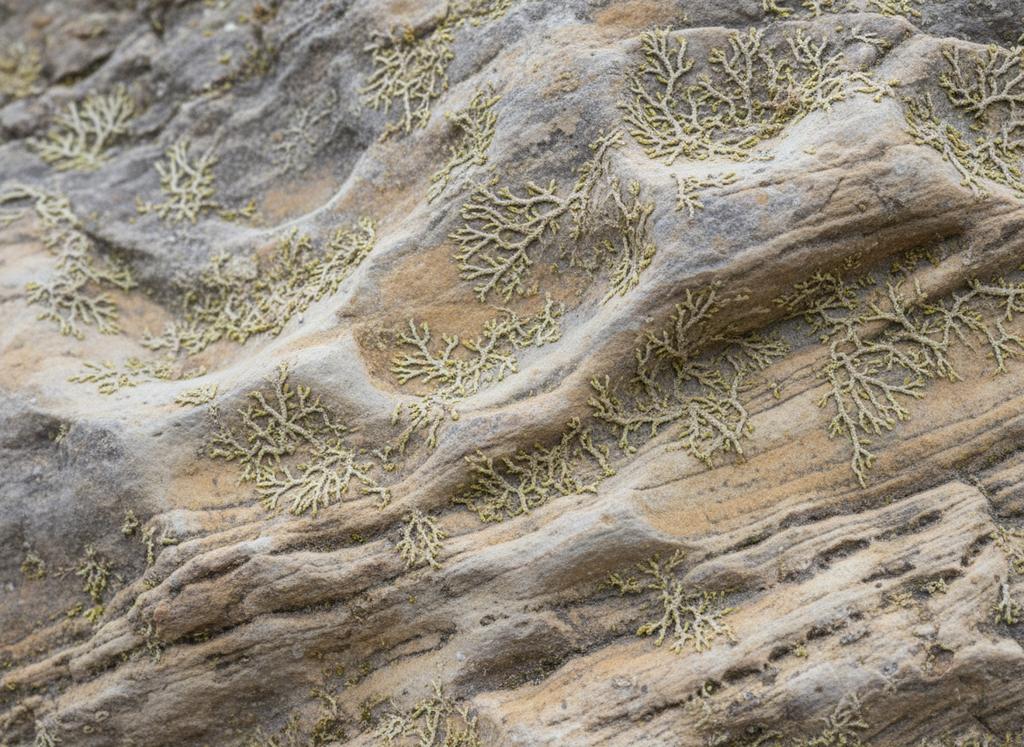
Frequently Asked Questions
Q: Can I use regular white glue (like Elmer's) on a headstone?
A: No. White glue is water-soluble and will dissolve in rain. It also has no structural strength. It might hold a tiny chip for a few weeks, but it's not a repair — it's a temporary bandage that will fail and leave a mess.
Q: What about using hot glue from a glue gun?
A: Hot glue is a terrible idea. It doesn't bond to stone at all — it just sits on the surface. It melts in direct sunlight and peels off in humidity. I've seen it used on a plastic flower holder glued to a base, and it fell off within a month. For stone-to-stone repairs, it's useless.
Q: Is there any case where I should use a two-part epoxy from a hardware store?
A: Only if you're in a pinch and the stone is something non-porous like polished granite, and you have no other option. Even then, test it on a hidden spot first. Most hardware store epoxies yellow and become brittle over time. For historic stone, always use a stone-specific epoxy from a restoration supplier.
Q: Can I use mortar or cement to glue a broken headstone?
A: Mortar and cement are for filling gaps, not for gluing thin breaks. They shrink as they cure, which pulls the pieces apart. They also contain salts that can leach into the stone and cause spalling. I've seen a marble cross repaired with Portland cement — the cement expanded and cracked the stone worse than the original break.
Q: What's the best way to remove a bad glue job without damaging the stone?
A: It depends on the glue. For epoxy, gentle heat from a hair dryer or heat gun (on low, not too close) can soften it. Then scrape with a wooden or plastic tool — never metal, which scratches. For old silicone, try a silicone remover from an auto parts store, but test it on a hidden area first. For super glue, acetone can work, but it may stain some stones. Always work slowly and gently. If you're unsure, call a professional stone conservator.