Does White Vinegar Damage a Granite Headstone? The Truth
headstone cleanning in Texas | headstone cleaning in New York
I remember the first time I tried cleaning a headstone, it was my great-aunt Margaret's grave over in the old part of Oakwood Cemetary. I was maybe twenty-two, full of good intentions and bad ideas. I'd read somewhere that vinegar was a miracle cleaner. So I brought a spray bottle of white vinegar, an old scrub brush, and a bucket of water. I sprayed that granite stone down, scrubbed like a madman, and stood back to admire my work. Looked great for about ten minutes. Then I noticed a dull, hazy patch where I'd been scrubbing hardest. Took me three tries over the next year to realize what I'd done. I'd etched the polish right off. That's when I started learning the hard way about what really works on granite.
Here's the short answer: white vinegar is acidic. Granite is mostly quartz and feldspar, which is pretty tough, but the polished surface is the part you see. Vinegar's acidity (pH around 2-3) can eat into that polish over time. Not as fast as it would on marble or limestone, but it's still a risk. And if your granite has any cracks, fissures, or sealer, vinegar can make things worse. So let me walk you through what I've learned from years of cemetery preservation work, so you don't make the same mistake I did.
Why Vinegar Is a Bad Idea (Even on Granite)
Granite is igneous rock. Hard as nails. But the polished finish on a headstone is a thin layer that's been ground smooth. Acid reacts with the minerals in that polish. Not a dramatic reaction — you won't see it bubbling like on limestone. It's slow. Insidious. You might not notice until that spot looks permanently cloudy or the sealer starts peeling. I've seen it happen on dozens of stones. Vinegar also strips away any sealant the stone might have, leaving it open to weathering. And if your granite has metal veins or iron content (common in some colors), the acid can cause rust staining. Bottom line: skip the vinegar. It's not worth the risk.
What Actually Works: pH-Neutral Cleaners and Soft Tools
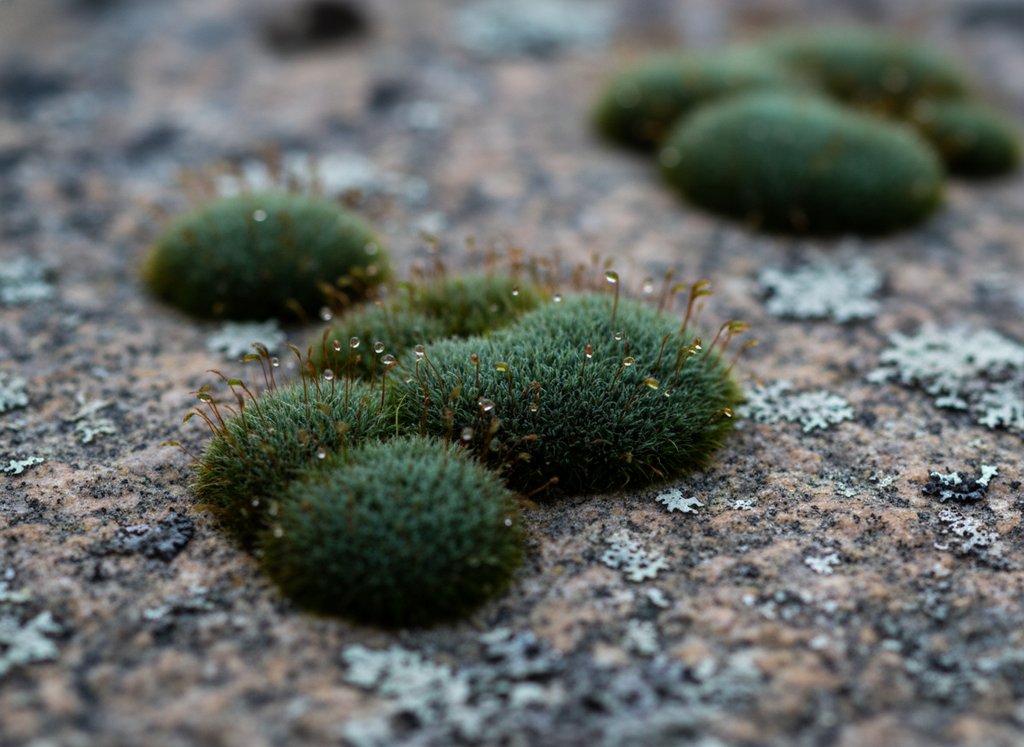
For routine cleaning on granite headstones, I use D/2 Biological Solution. It's pH-neutral, non-ionic, and designed specifically for stone. No acids, no alkalis. It kills biological growth (moss, lichen, algae) safely. I buy it by the gallon. Costs about fifty bucks. Lasts me a year. Apply it with a soft nylon brush or a sprayer, let it sit for ten minutes, then rinse with plain water. That's it. No scrubbing required for light grime. For tougher buildup, I use a soft bristle brush (never wire — wire scratches granite).
Another option: distilled water and a soft cloth for dust. That's literally all you need for routine maintainance. I've cleaned dozens of Victorian-era granite markers this way with zero damage.
Step-by-Step: How I Clean a Granite Headstone Safely
First, I assess the stone. I run my hand over the surface. Feel for flaking, cracks, or loose bits. If it's solid, I proceed. Here's my routine:
- Mix up D/2 according to the label (usually 1:1 with water for heavy growth, straight for light).
- Wet the stone with plain water first — prevents the cleaner from drying too fast.
- Apply the D/2 with a sprayer or soft brush. I use a pump sprayer from Home Depot, cost me twelve bucks.
- Let it sit for 10-15 minutes. In direct sun, I keep it damp by misting.
- Gently agitate with a soft nylon brush (like a deck brush with synthetic bristles).
- Rinse thoroughly with water. I use a garden sprayer or a bucket and sponge. No pressure washer — too risky.
- Let it air dry. That's it. Takes about half an hour for a standard stone.


Frequently Asked Questions
Q: Can I use vinegar on a granite headstone just once to remove bird droppings?
A: I wouldn't. Bird droppings are acidic themselves. Adding more acid just compounds the problem. Use a pH-neutral stone cleaner or even just water and a soft cloth. I've removed bird mess with plain water and a gentle wipe. No need for vinegar.
Q: Does white vinegar damage granite headstone if it's been sealed?
A: Yes. Vinegar can break down the sealer over time, making the stone more porous and prone to staining. I've seen sealer peel off like old sunburn after repeated vinegar use. Stick to pH-neutral products to protect that sealant.
Q: What about using vinegar to remove rust stains from granite?
A: Vinegar can actually make rust stains worse. The acid can react with iron in the stone, spreading the stain. For rust, use a rust-specific poultice made for stone (like ones with oxalic acid, which is different from white vinegar). Or call a pro. I learned this the hard way on a Civil War monument.
Q: Is there any stone type where vinegar is safe to use?
A: Honestly, I avoid vinegar on any headstone. Even on granite, it's unnecessary. The risk of etching or sealer damage isn't worth it. There's no stone that benefits from acid. Use water or a pH-neutral cleaner and you're safe every time.