What I Wish I'd Known Before Volunteering for Wreaths Across America
headstone cleanning in California | headstone cleaning in Texas
I remember my first Wreaths Across America cleanup like it was yesterday, it was a cold December morning in 2018, and I showed up at a small cemetary just outside of Richmond, Virginia, with a bucket, a stiff-bristled brush, and a can-do attitude. The wreaths had been there for about three weeks—pine needles everywhere, some of them frozen into the grass. I thought I was being helpful. I was wrong. I scrubbed a 1920s marble marker so hard with that brush that I left permanent scratch marks. The family who came by later that spring didn't say anything, but I saw the look on their face. That stone was never the same. Took me three years to forgive myself. So I wrote this to save you from making the same dumb mistake I did.
Volunteering for Wreaths Across America is a beautifull thing. It's about honoring veterans, remembering sacrifice, and giving back to the community. But the cleanup part—removing the wreaths and cleaning the headstones—is where alot of well-meaning people accidentally cause damage. I've been a stonemason for 20 years, mostly doing monument restoration, and I've seen the aftermath of good intentions gone wrong. Let me walk you through what I wish someone had told me before I grabbed that brush.
Bring the Right Tools (And Leave the Wrong Ones at Home)
Here's the thing: most people grab whatever is in their garage. A wire brush. A scrub pad. Maybe some dish soap. Big mistake. Wire brushes scratch stone like a cat on a sofa. Even plastic bristles can be too abrasive on soft stones like marble or sandstone. What you want is a soft nylon brush—I use a horsehair brush for the final pass—and a bucket of clean water. No soap at all? Actually, you can use a pH-neutral, non-ionic cleaner like D/2 Biological Solution if the stone is really dirty. That stuff is made for headstones. It kills biological growth without eating the stone. But plain water and a soft brush will handle most wreath residue—pine sap, dirt, pollen. Just don't scrub hard. Let the water do the work. And bring a plastic putty knife for lifting off stubborn sap. Metal scrapers? Leave them in the truck.
Know Your Stone Before You Touch It
Not all headstones are the same. Marble is soft and porous. Granite is hard and dense. Sandstone is like a sponge—it crumbles if you breathe on it wrong. Limestone is somewhere in between. Before you start cleaning, look at the stone. If it's flaking, chipping, or has any loose bits, stop. Don't touch it. Seriously. Some stones are too fragile for even a gentle wipe. I've seen volunteers try to brush off lichen from a sandstone marker and end up pulling off a chunk of the inscription. That's permanent. If you're unsure, just remove the wreath and leave the stone alone. The cemetery superintendent or a professional restorer can handle the cleaning later. Your job is to honor the veteran, not to make the stone look new. Old stones have a right to look old.
Water Is Your Best Friend (And Your Worst Enemy)
I know it sounds crazy, but you can actually damage stone with too much water. If the stone is already cracked or has any open seams, water gets inside, freezes in winter, and expands. That makes the crack worse. So when you're cleaning, use a spray bottle or a damp cloth—not a hose or a pressure washer. Pressure washers are a disaster. They blast away patina, erode inscriptions, and force water into places it shouldn't go. I've seen a well-meaning volunteer hit a 200-year-old slate marker with a pressure washer and literally wash away the date. It was 1792. Now it's just a blank slab. So be stingy with water. Damp cloth, light spray, gentle wipe. That's it. And if the stone is wet from rain or dew, wait for it to dry. Cleaning a wet stone is like trying to sand wet wood—it doesn't work and you'll just smear dirt around.
The Wreath Itself Can Damage the Stone (Yes, Really)
Here's something nobody talks about. Those wreaths—especially the real pine ones—release sap and resin as they sit. That sap can stain the stone. And if the wreath has a metal frame or wire, it can rust and leave orange streaks that are almost impossible to remove without harsh chemicals. I've seen wreaths with plastic berries that melted in the sun and left sticky residue. So when you remove a wreath, lift it straight up. Don't drag it across the stone. Check the base for any metal parts that might have scratched the surface. If you see sap, use a little bit of mineral spirits on a soft cloth—test it on an inconspicuous spot first. And always, always dispose of the wreath properly. Don't just drop it on the ground where it can stain the grass or get tangled in someone's mower.
Document What You Find (For the Next Volunteer)
This is a tip I learned the hard way. After my first cleanup, I noticed a few stones had loose letters—metal letters glued into granite that were falling off. I didn't report it. Nobody knew. A year later, those letters were gone, lost in the grass. So now I always carry a small notebook and a phone with a camera. If I find a damaged stone, a cracked base, or a wreath that left a bad stain, I take a photo and note the location. Then I tell the site coordinator or the cemetery office. It's not about blaming anyone. It's about giving the professionals a heads-up so they can plan repairs. And if you see a stone that's leaning or sinking, that's a safety issue. Don't ignore it. A toppling headstone can hurt someone. I've seen it happen—a granite slab fell on a volunteer's foot. Broke three toes. Not fun.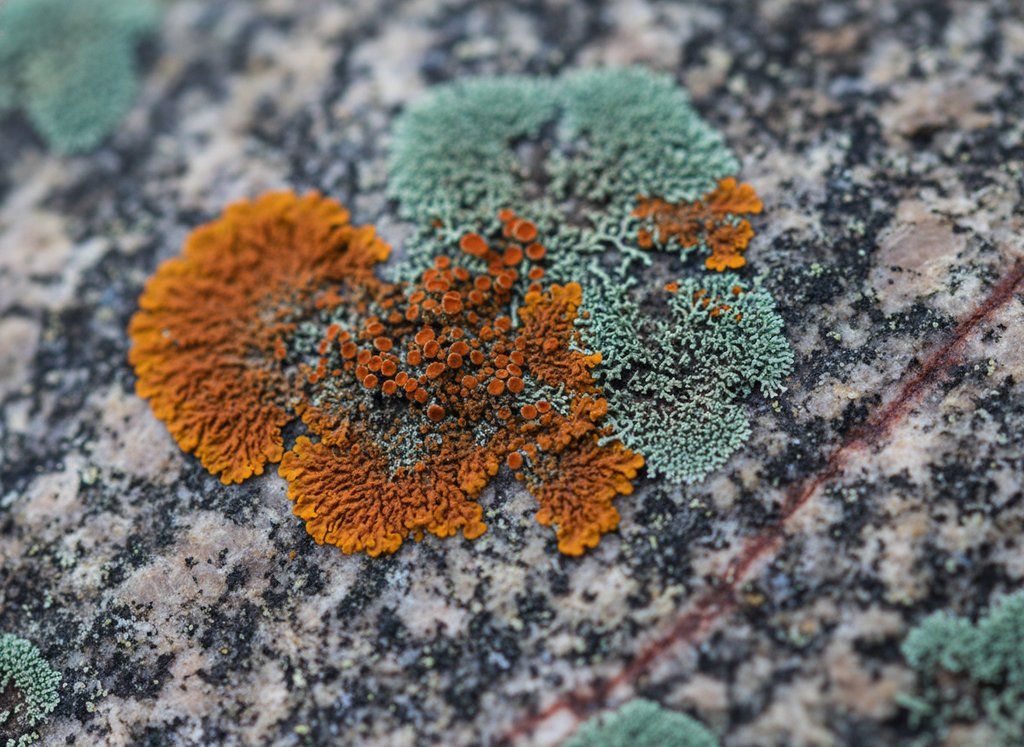
Frequently Asked Questions
Q: Can I use vinegar or baking soda to clean a headstone during a Wreaths Across America cleanup?
A: No, please don't. Vinegar is acidic, and baking soda is alkaline—both can react with the stone and cause etching or discoloration. Stick to plain water or a pH-neutral cleaner like D/2 Biological Solution. I've seen volunteers use vinegar thinking it's 'natural,' and they end up bleaching the stone unevenly. Just use water.
Q: What should I do if a wreath has left a sticky sap stain on a marble headstone?
A: First, don't panic. Try a soft cloth dampened with warm water and a tiny drop of mild dish soap—rinse thoroughly. If that doesn't work, use mineral spirits on a cotton ball, but test it on a hidden spot first. Rub gently. Never scrape with a knife or metal tool. If the stain is deep, mark the stone and tell the coordinator. Some stains need professional treatment.
Q: Is it okay to use a pressure washer to remove wreath debris from a granite headstone?
A: Not recommended. Even granite can be damaged by a pressure washer if the nozzle is too close or the pressure is too high. It can blast away the polish, create micro-cracks, and force water into the base. Stick to a spray bottle and a soft brush. I've seen too many 'clean' stones that looked frosted afterward—that's permanent damage.
Q: How do I safely remove a wreath that's frozen to the headstone?
A: Don't yank it. That can pull off paint or even a piece of the stone. Wait for a warmer day, or pour lukewarm water gently over the wreath to loosen the ice. Never use hot water—thermal shock can crack the stone. Once it's loose, lift it straight up. If the stone is fragile, just leave the wreath and let it thaw naturally.
Q: What's the best way to clean off lichen or moss from a headstone during a volunteer cleanup?
A: Lichen and moss should not be removed by volunteers unless the stone is very strong granite and you know what you're doing. On soft stones, pulling lichen off can take the surface with it. If you must, use a soft brush and water, but don't scrub hard. For heavy growth, leave it to a professional. Many cemeteries prefer that you just remove the wreath and report the lichen.